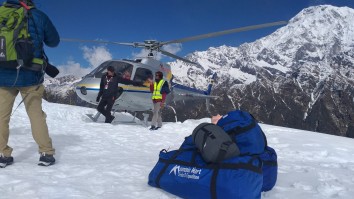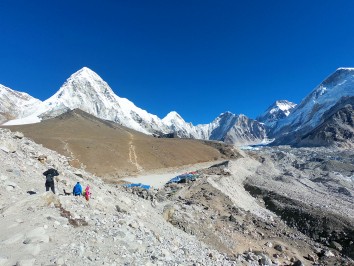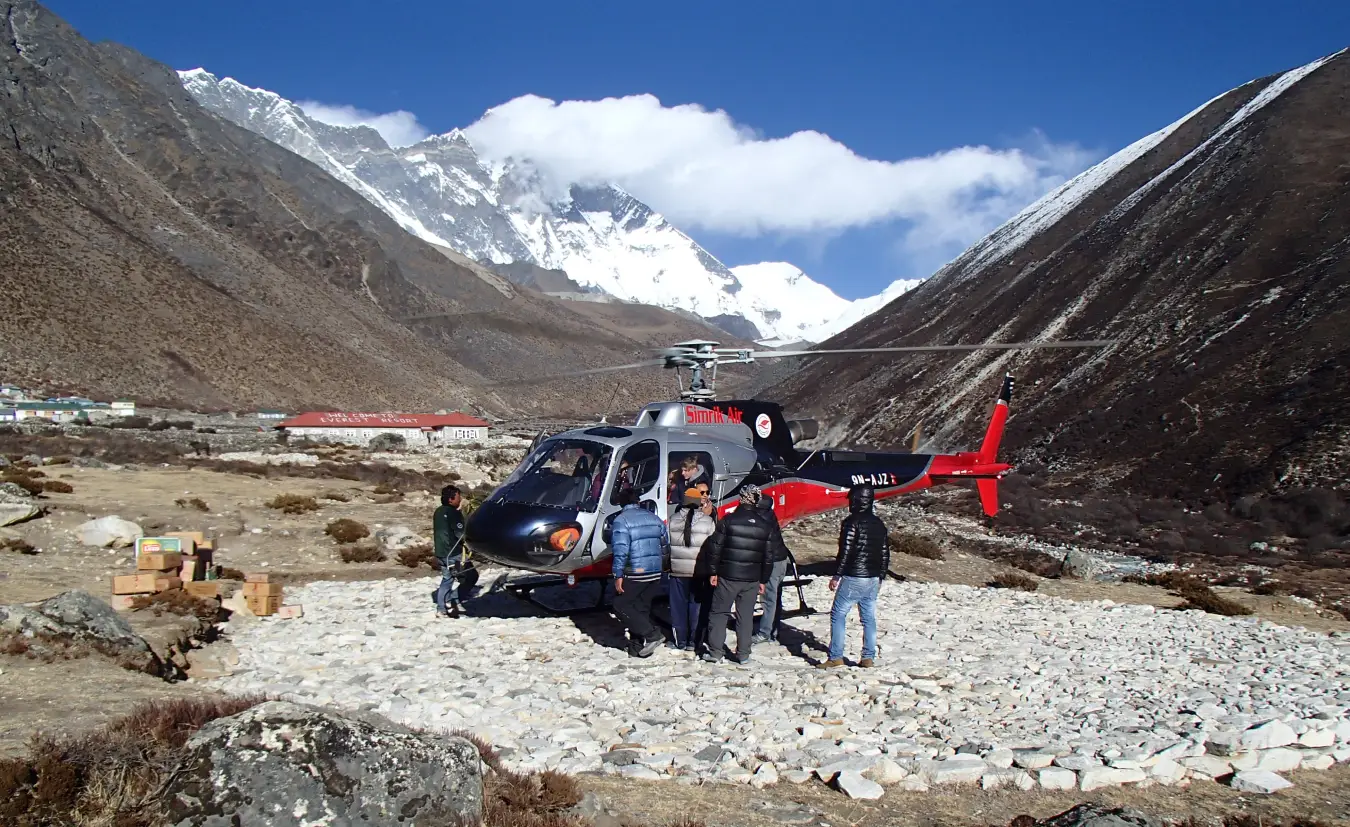

A helicopter trek in Nepal combines the thrill of high-altitude trekking with the luxury and speed of helicopter transport. Ideal for travelers with limited time, this unique adventure allows you to witness Nepal's majestic Himalayan ranges like Everest, Annapurna, and Langtang from both ground level and aerial views. Unlike traditional treks that require weeks of hiking, helicopter treks offer a condensed yet immersive experience, bringing you to key viewpoints, base camps, and remote villages within a matter of hours. These tours typically blend short hikes with helicopter transfers, offering a seamless, high-comfort journey.
Why Choose a Helicopter Trek in Nepal?
Helicopter treks are perfect for luxury and adventure lovers who want to maximize their Himalayan experience without enduring the physical strain or long duration of regular treks. These trips provide panoramic views of snow-capped peaks, glacial lakes, and cultural landmarks while offering top-tier amenities like private guides, gourmet meals, and luxury lodges. Whether flying over the dramatic Khumbu Icefall near Everest Base Camp, landing at the Annapurna Base Camp for a champagne breakfast, or exploring the serene Langtang Valley, helicopter treks ensure both excitement and exclusivity. They’re also ideal for couples, families, or older adventurers seeking a safe and memorable journey.
When is the Best Time for a Helicopter Trek in Nepal?
The best seasons for helicopter trekking in Nepal are spring (March to May) and autumn (September to November). During these months, the skies are generally clear, offering the most breathtaking views of the Himalayan peaks and landscapes. Spring brings blooming rhododendrons and lush valleys, while autumn offers crisp air and excellent visibility. Winter (December to February) can also be suitable for lower altitude routes, though colder weather and snowfall may affect higher regions. Regardless of the season, helicopter treks provide a reliable and luxurious option to explore Nepal's mountainous beauty in a fraction of the time.
Related Trips