2 Night 3 days Chitwan National Park Jungle Safari Tour

2 Night 3 days Chitwan National Park Jungle Safari Tour

Trip Overview

  • Best price guaranteed
  • No booking fees

Key Information

Trip Length

3 Days

Activities

Jungle Safari

Difficulty

Easy

Meal

Breakfast

Accommodation

Resort/ Hotel

Transportation

Flight/ Tourist Bus

Chitwan National Park Jungle Safari Tour – Trip Description

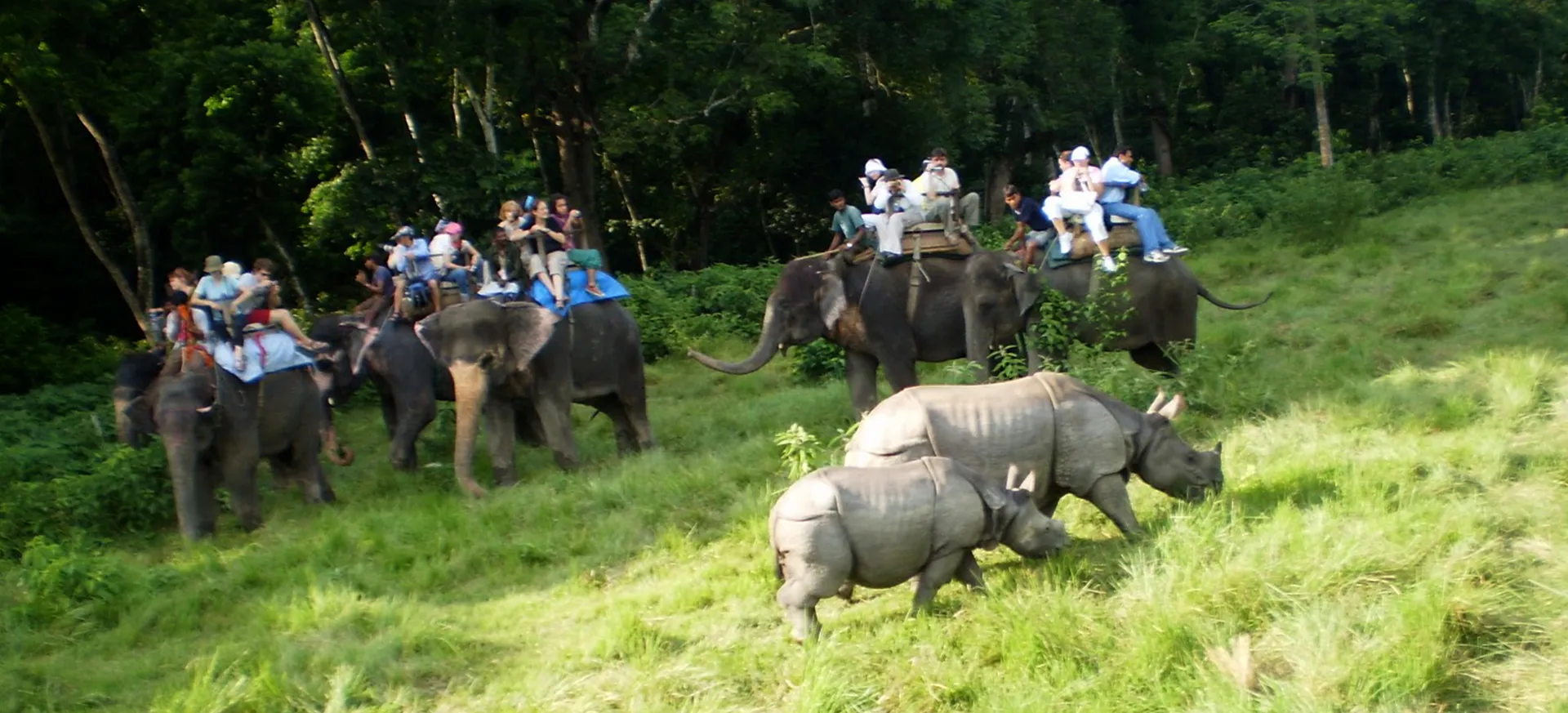
Experience the ultimate wildlife adventure with this immersive 3 Days Chitwan National Park Jungle Safari Tour, featuring elephant safaris, canoe rides, bird watching, village exploration, and rich Tharu cultural performances. This short yet exciting Nepal wildlife tour offers close encounters with one-horned rhinos, exotic birds, lush jungles, and traditional communities, making it a perfect getaway for nature lovers, families, and adventure seekers looking to explore Nepal’s most famous national park in comfort and style.

Exploring Chitwan National Park: A Wildlife Adventure

Chitwan National Park, located in the heart of Nepal, is a sanctuary of natural beauty and wildlife diversity. This UNESCO World Heritage Site is a must-visit for nature enthusiasts, wildlife lovers, and anyone looking for an unforgettable adventure. We'll take you through a thrilling 3-day itinerary to experience the best of Chitwan National Park.

Chitwan National Park Trip Overview

Chitwan National Park is renowned for its rich biodiversity, including Bengal tigers, one-horned rhinoceroses, crocodiles, and a wide variety of bird species. The park offers a range of activities that allow you to immerse yourself in the wilderness while enjoying comfortable accommodations and delicious meals.

Best Time to Visit Chitwan

The best time to visit Chitwan National Park is during the autumn (September to November) and spring (February to April) seasons when the weather is pleasant, and wildlife sightings are more frequent.

Chitwan National Park Tour Cost

The cost of this 3-day Chitwan National Park adventure varies depending on the type of accommodation and transportation you choose. On average, expect to spend between $200 to $400 per person, including lodging, meals, and activities.

Chitwan National Park Tour Group Size

This adventure is perfect for solo travelers, couples, families, and small groups. Whether you're traveling alone or with loved ones, Chitwan National Park offers a diverse range of activities to cater to different interests and group sizes.

A visit to Chitwan National Park promises an unforgettable adventure in the heart of nature. From thrilling wildlife encounters to cultural experiences, this 3-day itinerary offers something for every traveler. So, pack your bags and get ready to embark on a journey filled with excitement and natural beauty in Chitwan National Park.

Important Note: Please keep in mind that the program schedules are subject to change based on client preferences and local weather conditions. Chitwan National Park is a dynamic and natural environment, so flexibility is key to maximizing your experience

2 Night 3 days Chitwan National Park Jungle Safari Tour Itinerary

Expand/Collapse All
Day 1 : Kathmandu to Chitwan & Transfer to Hotel
  • Drive to Chitwan National Park and transfer to your hotel.
  • Upon arrival, enjoy a welcome drink and receive a briefing about the program.
  • Check in to your room.
  • 1:00 PM: Savor a delicious lunch and relax.
  • 3:00 PM: Embark on an adventure by visiting the Elephant stable, exploring the local village, or taking a museum tour.
  • 8:00 PM: Enjoy a delightful dinner at the hotel.
Day 2 : Full Day Jungle Safari & Cultural Programme
  • 6:30 AM: Wake up to the call of nature.
  • 7:00 AM: Start your day with a hearty breakfast.
  • 8:00 AM: Experience the thrill of an Elephant back safari as you explore the park's wildlife.
  • 1:00 PM: Refuel with a sumptuous lunch.
  • 2:00 PM: Enjoy a serene Canoe Ride along the river, where you can spot various bird species and aquatic life.
  • 4:00 PM: Visit the Elephant Breeding Center to learn about these magnificent creatures.
  • 7:00 PM: Immerse yourself in the local culture with the Tharu Culture Dance performance.
  • 8:00 PM: Conclude your day with a delectable dinner.
Day 3 : Bid farewell
  • 6:00 AM: Wake up early to the soothing sounds of nature.
  • 6:45 AM: Sip on some rejuvenating tea or coffee.
  • 7:30 AM: Join a Bird Watching expedition and discover the park's avian treasures.
  • 9:00 AM: Enjoy a leisurely breakfast.
  • 9:30 AM: Bid farewell to Chitwan National Park as you depart for your onward destination, whether by drive or flight.

What Is Included ?

  • Hotel/lodge accommodation in Chitwan (twin sharing basis)
  • All meals as per itinerary (breakfast, lunch & dinner)
  • Welcome drink on arrival
  • Elephant back jungle safari inside Chitwan National Park
  • Canoe ride along the Rapti River
  • Bird watching tour with nature guide
  • Visit to Elephant Breeding Center
  • Village walk, museum tour & cultural sightseeing
  • Tharu cultural dance program
  • National park entry permits & conservation fees
  • Experienced local naturalist/guide
  • All government taxes and service charges

What Is Excluded?

  • Transportation from Kathmandu/Pokhara to Chitwan (unless mentioned)
  • Domestic flight to Bharatpur (if chosen)
  • Personal expenses (drinks, laundry, tips, shopping)
  • Travel insurance (highly recommended)
  • Alcoholic beverages and extra snacks
  • Optional activities not listed in the itinerary
  • Emergency evacuation or medical costs

FAQs

What is included in the 2 Night 3 Days Chitwan National Park Jungle Safari Tour package?

The package typically includes hotel accommodation, all meals, elephant safari, canoe ride, jungle walks, bird watching, Tharu cultural show, park permits, and a professional nature guide for a complete Chitwan wildlife experience.

Is the Chitwan National Park Jungle Safari Tour suitable for beginners and families?

Yes, this Chitwan safari tour is perfect for beginners, families with children, couples, and nature lovers as the activities are safe, well-guided, and enjoyable for all age groups.

What wildlife can I see during the Chitwan National Park safari?

You may spot one-horned rhinos, deer, monkeys, wild boars, crocodiles, exotic birds, and with luck, Bengal tigers during jungle safari activities.

What is the best season for Chitwan National Park Jungle Safari Tour?

The best time to visit Chitwan is from October to March for pleasant weather and excellent wildlife sightings, while April to June is warmer but still good for safaris.

How do I reach Chitwan National Park from Kathmandu or Pokhara?

You can reach Chitwan by tourist bus, private vehicle (5–6 hours), or a short domestic flight to Bharatpur followed by a hotel transfer.

Are elephant safaris safe in Chitwan National Park?

Yes, elephant safaris are conducted by experienced mahouts with proper safety measures, making them a secure and exciting way to explore the jungle.

Does this 2 Night 3 Days Chitwan Jungle Safari Tour include a canoe ride?

Yes, most Chitwan safari packages include a peaceful canoe ride on the Rapti River to spot crocodiles, birds, and river wildlife.

What type of accommodation is provided in Chitwan?

Accommodation ranges from comfortable jungle lodges to deluxe resorts with private bathrooms, hot showers, and nature-friendly surroundings.

Are meals included in the Chitwan safari package?

Yes, breakfast, lunch, and dinner are included, offering delicious Nepali and international cuisine throughout the tour.

Do I need travel insurance for the Chitwan National Park Jungle Safari Tour?

Travel insurance is highly recommended to cover medical emergencies, trip delays, and adventure activities like safaris and canoe rides.

Can I customize the 2 Night 3 Days Chitwan Jungle Safari itinerary?

Yes, most tour operators allow customization based on your travel schedule, group size, and preferred activities.

Is the Chitwan safari tour available year-round?

Yes, Chitwan National Park is open all year, though wildlife viewing is best in dry seasons for clearer jungle trails and better visibility.

What should I pack for Chitwan National Park Jungle Safari Tour?

Bring lightweight clothes, long sleeves, comfortable shoes, hat, sunscreen, insect repellent, binoculars, and a camera.

Are park permits included in the safari tour cost?

Yes, Chitwan National Park entry fees and conservation permits are normally included in the package price.

How physically demanding is the Chitwan Jungle Safari Tour?

The tour is easy to moderate, involving gentle walking, sitting safaris, and canoe rides — no special fitness is required.

Can I see Bengal tigers during the Chitwan safari?

While tiger sightings are rare due to their shy nature, Chitwan is one of the best places in Nepal for a chance to spot them in the wild.

Is the Tharu cultural program included in the safari package?

Yes, the evening Tharu cultural dance performance is a highlight, showcasing local traditions and heritage.

Is Chitwan National Park Jungle Safari Tour good for photography?

Absolutely! The park offers incredible opportunities for wildlife, landscape, bird, and cultural photography.

Additional Information

The best time to visit Chitwan National Park for jungle safari and wildlife viewing is from October to March, when the weather is pleasant, dry, and ideal for outdoor activities such as elephant safaris, canoe rides, jungle walks, and bird watching. During these months, temperatures are comfortable, visibility is clear, and animals frequently gather around water sources, making wildlife spotting easier and more rewarding. This is the peak season for Chitwan tours and offers the best overall jungle experience in Nepal.

The spring season (April to June) is also a great time for Chitwan jungle safari tours, especially for wildlife enthusiasts seeking better chances to see animals like rhinos and deer near rivers. Although temperatures can be warmer, the forest becomes lively, and birdlife is abundant. The monsoon season (July to September) brings lush greenery and fewer crowds, offering a peaceful natural atmosphere, but heavy rain may limit some safari activities. For the best balance of weather, wildlife sightings, and comfort, autumn and winter remain the most recommended seasons to visit Chitwan National Park.

Please, read MMT’s ‘Terms and Conditions’ carefully prior to trip booking

Trekking or Mountaineering in the higher elevation of the Himalayas is one of the most adventurous endeavors which inherit the risk of AMS or injuries or even death. MMT is always concern regarding the comfort, safety and health of trekkers while meandering in higher altitude. We contribute great effort to reduce or control the risk and hazard; but sometime nature’s curse or fluctuate climate in Himalayas is beyond our control and we are not responsible for it.

If you are a keen adventure lover and are ready to follow the hereby mentioned Terms and Conditions then you are heartily welcome at MMT office, Kaldhara-marg, Paknajol, Thamel, Kathmandu, Nepal.

BOOKING TERMS AND CONDITIONS:

1. All the bookings of the packages are dealt with Mountain Mart Treks and Expedition which is an authorized adventure company based in capital of Nepal: Kathmandu.

2. The term ‘Trip’ formally refers to walking, sightseeing, treks, tours, mountaineering, expeditions or holiday in the mystical land, Nepal.

3. MMT faithfully offers all the amenities in the estimated price of the package.

4. Please go through itinerary page or trek inclusion page for the detail information of the cost transparency. The trek cost may vary from one package to another and some packages don’t include the cost of the following:

  • Personal travel insurance, medical assistance and helicopter evacuation.
  • Visa, Passport and transit point expenses.
  •  Extra meals, entertainment activities, accommodation, transportation costs are not included in the itinerary.
  • Laundry, postal, medicine, clothing, gears and personal expenses.
  • Tips and excess baggage charge.

5. The travelers must pay 20% upfront out of the total trip cost for the trip conformation.

6. You can pay the booking conformation amount either by credit card and wire transfer, both payment option subject to charge additional bank service fees upto 4% on top of the sum.

7. The trip will be booked once the payment is made by the travelers. We will send you the conformation letter through online and assure to provide all the service detail as mentioned in the itinerary.

8. The final payment must be submitted at the MMT office before the tip departure. Otherwise, you will not be legitimate for trip and no final documentation will be disclosed before the payment.

09. Regarding trip cancellation, we entertain free trip cancellation service upon submission of trustable reason before 90 days of the departure date upon adequate evidence and written reasons.    

10. If you cancel the trip 60 days prior to the departure date then 75% cancellation fee will be levied from the booking amount.

11. 85% cancellation fee will be levied if you cancel the trip before 30 days of the trip departure date.

12. The company will be unable to refund the earlier paid (20%) booking payment if you cancel the trek prior to 15 days of the departure date.

13. There will be no payment refund if you voluntarily leave or cancel the trip once it is started; but if you are forced to leave due to unforeseen immediate circumstances then payment can be refunded after proper discretion.

14. We guarantee your safe and successful trip; however, the company reserves the authority to cancel the trip if there will be no minimum number (2) of travelers. In this condition, company will postpone or manage alternative trip.

15. If the company cancels the trip due to any unforeseen circumstances which are beyond our control (i.e. natural disaster, flight cancellation, strikes, wars, riots, quarantine, government intervention policy, weather condition), we will refund after deduction of minimum operating cost involved.

16. If you want to change your booking date, the booking amendment request must be made 90 days prior to the original trip departure.

17. If trekkers demand to change the departure date prior to 60 days of the final departure, US $ 50.00 per person will be charged as cancelation fee. The charge of the trip may also be increased if the market price soars higher during the postponed trip date.

18. The policy of our company is: Trekkers must have insurance policy contract if they want to trek with MMT. The policy must feature: medical coverage, air ambulance, helicopter evacuation facility, as well as flight cancellation insurance if possible.

19. Mountain Mart Treks and Expedition organizes various adventurous trips which have high risk factor and demand more physical stamina plus training. If you can’t accomplish the trek due to your physical inability or sickness, we are not obliged to refund the payment.

20. There may appear hindrance, obstacles or circumstances like: political riot, insurgency, accident, climate change, or natural disasters during the course of trip. Make sure you are ready to deal with all these problems.

21. The trip route, accommodation, modes of transport may be changed without prior notice due to the unforeseen circumstances. It is for your convenience and safety, so hope you will display flexible human nature in this context.

22. While changing the route, transportation, accommodation, or itinerary due to above circumstances, we may charge additional cost or lessen the cost as per the total expenses of the entire trek.

23. MMT holds all the authority to decline, accept, detain or retain any members of the trip if we find anyone suspicious or indiscipline. If you want to trek with MMT, you must accept our leadership during the whole trip.

24. MMT has contracted with network of companies, government of Nepal, individuals to assist the travelers during the trip. These third parties are qualified to perform their duties as contracted. We are not liable in case of loss, damage, irregularities if the third parties don’t perform their duties properly.

25. MMT is not responsible for the violation of any law or rules committed by the travelers in any country.

26. This agreement is governed by the laws of the Government of Nepal. No any individual: employees, representatives, guides of the company can alter the terms and conditions.

27. These terms and conditions may only be waived in special circumstances with written application to the director. Only the director of the company has all the right to amend them.

28. Travelers must be physically and mentally fit for the trekking. It is compulsory to bring health certificates along with proper legal documents for trip approval, if asked.

29. If the flight is cancelled or get delayed due to fluctuate climate or any other causes, MMT is not responsible for the extra expenses or compensation. We can manage alternative arrangement on special request which may demand other extra cost.

30. We have displayed the authentic, genuine and accurate information on our official website and brochure. If any mistake, incomplete or wrong information is seen, please inform us on time.

31. Please read all the above mentioned ‘Terms and Conditions’ before making the bookings. You must abide these conditions if you fancy to trek in the Himalayas with Mountain Mart Treks (MMT)

Download Nepal VISA form (.pdf)

Foreigners other than Indian citizen, who intend to visit Nepal must hold a valid passport prior to applying for a Nepal visa. The passport must have six months validity from the date of arrival. Foreigners can obtain a Nepalese visa upon arrival at Kathmandu airport, or at a border immigration office. One recent copy of a passport size color photo is required to apply for Tourist Visa to Nepal. Mountain Mart Trek has listed Nepal visa information tips for travelers to Nepal.

Tourist visas shall be granted for a maximum period of 150 days in a visa year (January to December)

A foreigner who has departed before the expiry of the period specified in the visa issued in a visa year shall not be allowed to use the visa by adding the remaining period to another visa year. If any foreigner who has entered Nepal towards the end of a visa year desires to extend his/her stay into the new visa year, he/she may do so by purchasing another visa for the New Year. Provided, however, that the computation of the fees for such period shall be made on the basis of the total period of the stay.

An application for a Tourist Visa must be submitted in the format referred to in Appendix 1.

A Nepali visa issued abroad is valid for entry for three to six months from the date of issue. True -

Tourist Visa Exceptions

Citizens of the following countries should be issue visa in their own country to Nepal embassy and consulate.

Afghanistan, Cameroon, Ethiopia, Ghana, Iraq, Liberia, Nigeria, Palestine, Somalia, Zimbabwe.

Entry

No foreigners except Indians are entitled to Nepal without a valid visa.

Visas can be obtained from the following immigration offices in Nepal:

  • Tribhuvan International Airport, Kathmandu
  • Kakarvitta, Jhapa (Eastern Nepal)
  • Birganj, Parsa (Central Nepal)
  • Kodari, Sindhupalchowk (Northern Border)
  • Belhiya, Bhairahawa (Rupandehi, Western Nepal)
  • Jamuna, Nepalgunj (Banke, Mid Western Nepal)
  • Mohana, Dhangadhi (Kailali, Far Western Nepal)
  • Gaddachauki, Mahendranagar (Kanchanpur, Far Western Nepal)

Visa Application Forms

A copy of the Visa Form is available for use at the end of this document that avoids you long queue to pick up the Nepal visa form at the international airport.

Visa Fees

The fees payable only in USD dollars for obtaining a visa on arrival at any border are as follows:

  1. A Tourist Visa with Multiple Entry for 15 days: US$ 25 payable only in USD dollars.
  2. A Tourist Visa with Multiple Entry for 30 days: US$ 40 payable only in USD dollars
  3. A Tourist Visa with Multiple Entry for 90 days: US$ 100 payable only in USD dollars
  4. Regardless of the provisions stated in points E1 and E2 above: Tourists with passports from South Asian
    Association for Regional Cooperation (SAARC) countries (Bangladesh, Bhutan, India, Maldives, Pakistan
    and Sri Lanka) are not required to pay visa fees for a 30 day visa.
  5. Indian citizens do not require a visa to enter into Nepal.

Visa Extension Fees

The fees payable (only in local Nepali currency) to extend the duration of your stay, or to renew a visa are:

  1. US$ 2 equivalent, in Nepali currency, per day of the extension period.
  2. An additional US$ 20 or equivalent, in Nepali currency, is payable on a single-entry visa in F1 if a MultipleEntry facility is requested for the extended period.
  3. If foreign visitors failed to renew their visa and need to do so at an exit point, they have to pay an additional equivalent to US$ 3, in Nepalese currency, on the regular visa extension fee.
  4. Foreign visitors who have overstayed their visa period of 150 days without extension are required to pay an additional visa fee as per provision in F3, plus a fine as specified in Clause 10 sun-clause 4 of the immigration Act 2049.
  5. Regardless of the provision stated in F1: 15 days is counted as a minimum extension period and the visa fee is charged accordingly. For an extension period of more than 15 days, the visa fee is charged as per the provision of F1.
  6. A tourist visa can be extended for up to a maximum period of 150 days in a single visa year (Jan. – Dec.).
    It is cheaper to purchase a 30 day visa at the point of entry and then to extend it, for 15 days or more at the Central Immigration Office in Kathmandu or Pokhara unless you are staying for 90 days or more

    For an extension to a visa you will need two additional passport photographs for each extension.

Transit Visa

A transit visa for one day can be obtained from Nepal's immigration offices at an entry point upon the production of a departure flight ticket via Tribhuvan International Airport in Kathmandu. The fee is US$ 5 or equivalent convertible currency. A transit visa may not be extended.

A Nepali Visa can be obtained from Nepal Embassy / Consulate Offices in your country, or upon arrival at Kathmandu airport. It is also possible to obtain the visa from other border points of entry. You'll need 1 passport photo each time.

For foreign investors, a business visa with a multiple entry facility for a period of one year or five years can be obtained from the Department of Immigration on the recommendation of the Department of Industry and Commerce by paying US$ 100 and US$ 250 or equivalent convertible foreign or Nepali currency.

Note: While we try to make the information contained herein as accurate as possible, we accept no responsibility for any loss, disruption or inconvenience sustained by anyone using this information.

Important Information to Visitors

Foreign visitors are requested to keep a note of the dates on their Nepalese visa and their passport number to avoid possible problems. Visa extensions need to be applied for, within the valid period of the Nepalese visa.

You are requested to ensure that you get the arrival/departure stamps on your passport at the entry /exit points to avoid possible legal complications.

Living in Nepal without a passport or a valid visa is a punishable offence.

Deviation from the prescribed trekking routes mentioned on your trekking permit will be treated as a violation of the law.

You are advised to be aware of brokers/cheaters and counterfeit documents or visa/trekking permits to avoid legal complications.

Change of purpose of your stay without permission is not allowed and employment or voluntary services while on a tourist visa is strictly prohibited. It will be a punishable offence.

Be certain to register at the police and Immigration check points along any trail. It would be wise to register your trekking destination and schedule at your Embassy or Consulate.

If you encounter problems along the trails, immediately inform the nearest police or Immigration post officials.

You are requested to change money with recognized dealers and do not forget to take and keep formal receipts.

You are requested to inform the officials at an Immigration Office or Police Station of any changes in the address previously given in your visa application form or disembarkation card, and within seven days.

If, as a tourist, your stay is more than 120 days in one visa year and you wish to visit additional places for longer than 24 hours, you must register at the local police office of such places, your name, passport number and address.

You are advised to be mindful to contact the Department of Immigration to request a visa transfer in the case of getting a new passport or travel document from your embassy, and within seven days.

Passport and trekking permits should be kept by each trekker while trekking.

Filming in restricted or notified areas without permission is strictly prohibited.

Please do not take out the visa stickers from your passport and do not try to change records printed in your passport.

We request your co-operation in observing the following guidelines during your stay in Nepal. Respect local traditions, customs, values and sentiments, help to protect local culture and maintain local pride.

  1. Respect privacy while taking photographs.
  2. Respect holy places.
  3. Refrain from giving money to children as it will encourage begging.
  4. Respecting local etiquette will earn you respect.
    Let the Himalayas change you – do not change them: so remember while you are on trekking:
  5. Leave campsites cleaner than you have found them.
  6. Do not light open fires.
  7. Burn dry papers and packets in a safe place.
  8. Keep local water clean and avoid using pollutants.
  9. Plants should be left to flourish in their natural environment.
  10. Help your guides and porters to follow conservation measures.
  11. Protect the natural environment.

Information for Indian Citizens

Indian citizens are permitted to travel in Nepal provided they have any one of the following documents:

Passport; Driving license with photograph; Identity card with photograph issued by a governmental body; Ration card with photograph; Voter identity card with photograph; Registration certificate issued by the Indian embassy to Indian citizens residing in Nepal; Ad hoc/temporary identity cards issued by the Indian embassy to the Indian citizen in the event of exigency; Document with photograph and setting out identity, issued by the sub-divisional magistrate or authority there above.

General Information

Department of Immigration
Kalikasthan, Dillibazar, Kathmandu.
Tel : 977 - 01 - 4433934 / 4429660 / 4438862 / 4438868
Fax : 977 - 01 - 4433935
Email : mail@nepalimmigration.gov.np
Web : http://nepalimmigration.gov.np/

Office Hours

Sunday to Thursday 10:30 a.m. - 17:00 p.m. in Summer
  10:30 a.m. - 16:00 p.m. in Winter (Nov. to Jan.)
Friday 10:30 a.m. -15:00 p.m.

Visa Application Hours

Sunday to Thursday 10:30 a.m. - 15:00 p.m.
Friday 10:30 a.m. - 13:00 p.m.

Note: All of the information above is based on information from the Department of Immigration of Nepal’s office and may be found on their website.

Trekking cards and Permits for Conservation Areas, National Parks and Restricted Areas

All trekkers are required to carry a Trekkers' Information Management System card (TIMS card). It is available from the Tourist Services Centre in Kathmandu: Sun – Fri 10:00 – 13:00 and 14:00 – 17:00. It is free, but requires two passport photographs. (Trekking agencies provide the cards for their clients.) Show it at check points on trekking routes.

Trekking Permits are required for all treks that pass through Conservation Areas or National Parks.

Conservation Area permits can be purchased at the Tourist Services Centre for Rs 2000 plus two photographs.

National Park entry tickets cost Rs 3000 and require no photograph. Purchase at the Department of National Parks and Wildlife Conservation office Sun – Fri 09:00 – 14:00 only (next to the Tourist Services office).

Restricted Area Permits are required mainly for camping style trekking in remote areas near the Tibetan border – for which a guide is strongly recommended. They can only be purchased for two or more trekkers. The permits are issued by the Central Immigration Office, require two working days, your original passports (not facsimiles) and two photographs. Costs range from US$10/week to US$500/10 days plus substantial additional amounts for each additional day. These will be procured by your chosen trekking agency. Offices are open daily, but with restricted hours on Saturdays.

Tourist Visa

The foreign tourist visiting Nepal shall be granted the tourist visa.

The tourist visa shall be granted for a period in maximum of 150 days in a visa year (Visa years means January to December).

A tourist who has departed before the expiry of the period specified in the visa issued in a visa year shall not be allowed to use the visa by adding the remaining period to another visa year.

If any foreigner who has entered into Nepal towards the end of a visa year desires to spend even the period during which he may stay in Nepal with the tourist visa of the other visa year, he may use such facility.

Provided, however, that the computation of the fees for such period shall be made on the basis of the total period of his stay.

Note: Above information is based on Department of Immigration of Nepal office.

Preparing the right jungle safari packing list ensures a smooth, safe, and enjoyable wildlife experience in destinations like Chitwan National Park. From comfortable clothing to essential gear, here’s everything you should bring for your jungle safari tour in Nepal:

Clothing Essentials

  • Lightweight, breathable long-sleeve shirts (neutral colors like green, brown, beige)

  • Long trekking pants or safari trousers

  • Warm jacket or fleece (early mornings & evenings can be cool)

  • Comfortable walking shoes or lightweight hiking boots

  • Sandals or flip-flops for hotel and camp use

  • Rain jacket or poncho (especially during monsoon season)

  • Hat or cap for sun protection

  • Quick-dry socks (2–3 pairs)

Personal Care & Health

  • Sunscreen (high SPF recommended)

  • Insect repellent or mosquito spray

  • Personal medications

  • Small first-aid kit (band-aids, pain relief, antiseptic)

  • Hand sanitizer & wet wipes

  • Toiletries & travel towel

Safari Gear & Accessories

  • Small daypack or backpack

  • Sunglasses with UV protection

  • Binoculars for wildlife & bird watching

  • Camera or smartphone with extra batteries/power bank

  • Reusable water bottle

  • Waterproof bag for electronics

Travel Essentials

  • Passport & travel documents (copy recommended)

  • Travel insurance details

  • Cash for personal expenses & tips

Optional but Helpful Items

  • Notebook or wildlife guidebook

  • Lightweight gloves (early morning safaris)

  • Snacks or energy bars

Pro Packing Tips for Jungle Safari in Nepal

  • Wear earth-tone colors to avoid disturbing wildlife

  • Avoid bright colors and strong perfumes

  • Keep bags light for easier movement

  • Always follow guide instructions for safety

This jungle safari packing list for Nepal helps you stay comfortable, protected, and ready to enjoy wildlife encounters, nature walks, canoe rides, and cultural experiences in Chitwan National Park.

Knowing what not to bring on a jungle safari is just as important as packing the essentials. Carrying unnecessary or inappropriate items can affect your comfort, safety, and wildlife experience—especially during jungle safaris in Chitwan National Park and other protected areas in Nepal.

Avoid Bright & Flashy Clothing

  • Bright colors like red, neon, white, or yellow

  • Shiny fabrics that reflect sunlight

👉 These can scare wildlife and attract insects.

Heavy Luggage & Large Suitcases

  • Big backpacks or rolling bags

  • Extra unnecessary gear

👉 Keep it light — safaris require easy movement.

Strong Perfumes & Fragrances

  • Perfume, deodorant sprays, scented lotions

👉 Smells can disturb animals and attract insects.

Jewelry & Valuable Items

  • Expensive watches, necklaces, rings

  • Unnecessary electronics

👉 Risk of loss, damage, or theft.

Plastic Bags & Loose Trash

  • Single-use plastic items

  • Food wrappers

👉 Many parks restrict plastic for environmental protection.

Loud Devices & Music

  • Speakers, headphones at high volume

  • Phone ringtones not on silent

👉 Noise scares animals and ruins wildlife spotting.

Open Food & Sweet Items

  • Sugary snacks exposed

  • Strong-smelling foods

👉 Attract monkeys, insects, and animals.

Drones & Unauthorized Equipment

  • Drones (usually banned in national parks)

  • Professional filming gear without permits

👉 Can disturb wildlife and break park regulations.

High-Heel Shoes or Slippers

  • Fashion footwear

  • Smooth sole shoes

👉 Unsafe for jungle walks and safari vehicles.


Jungle Safari Smart Travel Tip

Keep your safari eco-friendly and respectful by packing light, staying quiet, and leaving no waste behind. This helps protect wildlife and improves your chances of incredible animal sightings.

Following proper safari safety rules ensures a secure, enjoyable, and unforgettable wildlife experience. Whether you’re on an elephant safari, jeep safari, canoe ride, or jungle walk in Chitwan National Park, these guidelines help protect both visitors and animals.

✅ Always Follow Your Guide’s Instructions

Professional naturalists and safari guides understand animal behavior and park safety. Never wander away from the group or ignore safety briefings.

✅ Maintain Silence in Wildlife Areas

Keep voices low and avoid sudden movements. Quiet behavior increases animal sightings and prevents disturbing wildlife.

✅ Never Feed Wild Animals

Feeding wildlife is dangerous and strictly prohibited. It disrupts natural behavior and may cause aggressive reactions.

✅ Stay Inside Safari Vehicles & Boats

Do not stand up, lean out, or attempt to walk in restricted jungle zones unless guided.

✅ Keep a Safe Distance from Animals

Never approach rhinos, elephants, crocodiles, deer, or birds—even if they appear calm.

✅ Wear Proper Safari Clothing

Choose neutral colors like green, brown, or khaki. Avoid bright colors and camouflage (often restricted).

✅ Use Insect Repellent & Sun Protection

Protect yourself from mosquitoes and heat, especially during summer jungle safaris.

✅ No Loud Music or Flash Photography

Sudden noise and camera flashes can scare animals and provoke stress responses.

✅ Secure Your Belongings

Hold cameras, phones, hats, and water bottles firmly—especially during jeep and elephant safaris.

✅ Respect Park Rules & Nature

Do not litter, smoke, or collect plants, feathers, or stones.


Emergency & Health Tips

• Inform guides if you feel unwell
• Carry personal medications
• Drink clean bottled or filtered water
• Avoid touching unknown plants or insects

A jungle safari in Nepal is an unforgettable wildlife experience, especially in famous destinations like Chitwan National Park and Bardia National Park. Following these safari dos and don’ts helps ensure your safety, protects wildlife, and enhances your overall adventure.


✅ Jungle Safari Dos

✔️ Follow your professional guide’s instructions at all times
✔️ Maintain silence to avoid disturbing wildlife
✔️ Wear neutral-colored clothing for better animal sightings
✔️ Carry sunscreen, hat, sunglasses, and insect repellent
✔️ Keep cameras secured and ready for wildlife photography
✔️ Stay seated in safari vehicles and boats
✔️ Respect animals and observe from a safe distance
✔️ Drink enough water to stay hydrated
✔️ Use eco-friendly products and avoid plastic waste
✔️ Enjoy nature responsibly and patiently


❌ Jungle Safari Don’ts

❌ Do not feed or touch wild animals
❌ Do not shout, run, or make sudden movements
❌ Avoid bright colors and strong perfumes
❌ Never leave your safari group without permission
❌ Do not throw litter or damage plants
❌ Avoid flash photography
❌ Do not smoke or drink alcohol inside the park
❌ Never try to approach animals for selfies
❌ Do not carry weapons or sharp tools
❌ Avoid loud music or phone sounds

You can send your enquiry via the form below.

Day

3

  • Best price guaranteed
  • No booking fees
  • E-ticket/Mobile voucher

Response Time 3 Hours , Response Rate 100%

Similar Packages

Enjoy the popular trekking and tour packages in Nepal Himalayas. 2026.

Mardi Himal Base Camp Trek
12 Days

Mardi Himal Base Camp Trek

(5) 1 Review
Upper Dolpo Trek
24 Days

Upper Dolpo Trek

(5) 1 Review
Manaslu Tsum Valley Trek
24 Days
$1745 /Person

Manaslu Tsum Valley Trek

Kathmandu Day Tour
1 Day
$75 /Person

Kathmandu Day Tour

Namo Buddha Day Hiking Tour
1 Day
$110 /Person

Namo Buddha Day Hiking Tour

Bhaktapur Half Day Tour
1 Day
$70 /Person

Bhaktapur Half Day Tour

Nagarkot Sunrise Day Tour
1 Day
$120 /Person

Nagarkot Sunrise Day Tour

Nagarkot Sunset Day Tour
1 Day
$110 /Person

Nagarkot Sunset Day Tour

Nagarkot Day Hiking Tour
1 Day
$65 /Person

Nagarkot Day Hiking Tour

(5) 1 Review
Everest Base Camp Helicopter Tour
4 hours Days
$1395 /Person

Everest Base Camp Helicopter Tour

(5) 2 Reviews
Shivapuri Nagarkot Trek
6 Days
$575 /Person

Shivapuri Nagarkot Trek

Nepal Cultural Tour
6 Days

Nepal Cultural Tour

(5) 1 Review
Mera Peak Climbing
18 Days

Mera Peak Climbing

(5) 2 Reviews
Lobuche Peak Climbing
22 Days

Lobuche Peak Climbing

(5) 1 Review
Short Mardi Himal Trek
8 Days
$675 /Person

Short Mardi Himal Trek

2 Night 3 days Chitwan National Park Jungle Safari Tour - 3 Days

2 Night 3 days Chitwan National Park Jungle Safari Tour

Chitwan National Park Jungle Safari Tour – Trip Description

Experience the ultimate wildlife adventure with this immersive 3 Days Chitwan National Park Jungle Safari Tour, featuring elephant safaris, canoe rides, bird watching, village exploration, and rich Tharu cultural performances. This short yet exciting Nepal wildlife tour offers close encounters with one-horned rhinos, exotic birds, lush jungles, and traditional communities, making it a perfect getaway for nature lovers, families, and adventure seekers looking to explore Nepal’s most famous national park in comfort and style.

Trip Overview

  • Best price guaranteed
  • No booking fees

Key Information

Trip Length

3 Days

Activities

Jungle Safari

Difficulty

Easy

Meal

Breakfast

Accommodation

Resort/ Hotel

Transportation

Flight/ Tourist Bus

Exploring Chitwan National Park: A Wildlife Adventure

Chitwan National Park, located in the heart of Nepal, is a sanctuary of natural beauty and wildlife diversity. This UNESCO World Heritage Site is a must-visit for nature enthusiasts, wildlife lovers, and anyone looking for an unforgettable adventure. We'll take you through a thrilling 3-day itinerary to experience the best of Chitwan National Park.

Chitwan National Park Trip Overview

Chitwan National Park is renowned for its rich biodiversity, including Bengal tigers, one-horned rhinoceroses, crocodiles, and a wide variety of bird species. The park offers a range of activities that allow you to immerse yourself in the wilderness while enjoying comfortable accommodations and delicious meals.

Best Time to Visit Chitwan

The best time to visit Chitwan National Park is during the autumn (September to November) and spring (February to April) seasons when the weather is pleasant, and wildlife sightings are more frequent.

Chitwan National Park Tour Cost

The cost of this 3-day Chitwan National Park adventure varies depending on the type of accommodation and transportation you choose. On average, expect to spend between $200 to $400 per person, including lodging, meals, and activities.

Chitwan National Park Tour Group Size

This adventure is perfect for solo travelers, couples, families, and small groups. Whether you're traveling alone or with loved ones, Chitwan National Park offers a diverse range of activities to cater to different interests and group sizes.

A visit to Chitwan National Park promises an unforgettable adventure in the heart of nature. From thrilling wildlife encounters to cultural experiences, this 3-day itinerary offers something for every traveler. So, pack your bags and get ready to embark on a journey filled with excitement and natural beauty in Chitwan National Park.

Important Note: Please keep in mind that the program schedules are subject to change based on client preferences and local weather conditions. Chitwan National Park is a dynamic and natural environment, so flexibility is key to maximizing your experience

2 Night 3 days Chitwan National Park Jungle Safari Tour Itinerary Overview

Day 1 Kathmandu to Chitwan & Transfer to Hotel
Day 2 Full Day Jungle Safari & Cultural Programme
Day 3 Bid farewell

2 Night 3 days Chitwan National Park Jungle Safari Tour Itinerary Detail

Day 1 : Kathmandu to Chitwan & Transfer to Hotel
  • Drive to Chitwan National Park and transfer to your hotel.
  • Upon arrival, enjoy a welcome drink and receive a briefing about the program.
  • Check in to your room.
  • 1:00 PM: Savor a delicious lunch and relax.
  • 3:00 PM: Embark on an adventure by visiting the Elephant stable, exploring the local village, or taking a museum tour.
  • 8:00 PM: Enjoy a delightful dinner at the hotel.
Day 2 : Full Day Jungle Safari & Cultural Programme
  • 6:30 AM: Wake up to the call of nature.
  • 7:00 AM: Start your day with a hearty breakfast.
  • 8:00 AM: Experience the thrill of an Elephant back safari as you explore the park's wildlife.
  • 1:00 PM: Refuel with a sumptuous lunch.
  • 2:00 PM: Enjoy a serene Canoe Ride along the river, where you can spot various bird species and aquatic life.
  • 4:00 PM: Visit the Elephant Breeding Center to learn about these magnificent creatures.
  • 7:00 PM: Immerse yourself in the local culture with the Tharu Culture Dance performance.
  • 8:00 PM: Conclude your day with a delectable dinner.
Day 3 : Bid farewell
  • 6:00 AM: Wake up early to the soothing sounds of nature.
  • 6:45 AM: Sip on some rejuvenating tea or coffee.
  • 7:30 AM: Join a Bird Watching expedition and discover the park's avian treasures.
  • 9:00 AM: Enjoy a leisurely breakfast.
  • 9:30 AM: Bid farewell to Chitwan National Park as you depart for your onward destination, whether by drive or flight.

What is included in the cost?

  • Hotel/lodge accommodation in Chitwan (twin sharing basis)
  • All meals as per itinerary (breakfast, lunch & dinner)
  • Welcome drink on arrival
  • Elephant back jungle safari inside Chitwan National Park
  • Canoe ride along the Rapti River
  • Bird watching tour with nature guide
  • Visit to Elephant Breeding Center
  • Village walk, museum tour & cultural sightseeing
  • Tharu cultural dance program
  • National park entry permits & conservation fees
  • Experienced local naturalist/guide
  • All government taxes and service charges

What is not included in the cost?

  • Transportation from Kathmandu/Pokhara to Chitwan (unless mentioned)
  • Domestic flight to Bharatpur (if chosen)
  • Personal expenses (drinks, laundry, tips, shopping)
  • Travel insurance (highly recommended)
  • Alcoholic beverages and extra snacks
  • Optional activities not listed in the itinerary
  • Emergency evacuation or medical costs

FAQs

What is included in the 2 Night 3 Days Chitwan National Park Jungle Safari Tour package?

The package typically includes hotel accommodation, all meals, elephant safari, canoe ride, jungle walks, bird watching, Tharu cultural show, park permits, and a professional nature guide for a complete Chitwan wildlife experience.

Is the Chitwan National Park Jungle Safari Tour suitable for beginners and families?

Yes, this Chitwan safari tour is perfect for beginners, families with children, couples, and nature lovers as the activities are safe, well-guided, and enjoyable for all age groups.

What wildlife can I see during the Chitwan National Park safari?

You may spot one-horned rhinos, deer, monkeys, wild boars, crocodiles, exotic birds, and with luck, Bengal tigers during jungle safari activities.

What is the best season for Chitwan National Park Jungle Safari Tour?

The best time to visit Chitwan is from October to March for pleasant weather and excellent wildlife sightings, while April to June is warmer but still good for safaris.

How do I reach Chitwan National Park from Kathmandu or Pokhara?

You can reach Chitwan by tourist bus, private vehicle (5–6 hours), or a short domestic flight to Bharatpur followed by a hotel transfer.

Are elephant safaris safe in Chitwan National Park?

Yes, elephant safaris are conducted by experienced mahouts with proper safety measures, making them a secure and exciting way to explore the jungle.

Does this 2 Night 3 Days Chitwan Jungle Safari Tour include a canoe ride?

Yes, most Chitwan safari packages include a peaceful canoe ride on the Rapti River to spot crocodiles, birds, and river wildlife.

What type of accommodation is provided in Chitwan?

Accommodation ranges from comfortable jungle lodges to deluxe resorts with private bathrooms, hot showers, and nature-friendly surroundings.

Are meals included in the Chitwan safari package?

Yes, breakfast, lunch, and dinner are included, offering delicious Nepali and international cuisine throughout the tour.

Do I need travel insurance for the Chitwan National Park Jungle Safari Tour?

Travel insurance is highly recommended to cover medical emergencies, trip delays, and adventure activities like safaris and canoe rides.

Can I customize the 2 Night 3 Days Chitwan Jungle Safari itinerary?

Yes, most tour operators allow customization based on your travel schedule, group size, and preferred activities.

Is the Chitwan safari tour available year-round?

Yes, Chitwan National Park is open all year, though wildlife viewing is best in dry seasons for clearer jungle trails and better visibility.

What should I pack for Chitwan National Park Jungle Safari Tour?

Bring lightweight clothes, long sleeves, comfortable shoes, hat, sunscreen, insect repellent, binoculars, and a camera.

Are park permits included in the safari tour cost?

Yes, Chitwan National Park entry fees and conservation permits are normally included in the package price.

How physically demanding is the Chitwan Jungle Safari Tour?

The tour is easy to moderate, involving gentle walking, sitting safaris, and canoe rides — no special fitness is required.

Can I see Bengal tigers during the Chitwan safari?

While tiger sightings are rare due to their shy nature, Chitwan is one of the best places in Nepal for a chance to spot them in the wild.

Is the Tharu cultural program included in the safari package?

Yes, the evening Tharu cultural dance performance is a highlight, showcasing local traditions and heritage.

Is Chitwan National Park Jungle Safari Tour good for photography?

Absolutely! The park offers incredible opportunities for wildlife, landscape, bird, and cultural photography.

Additional Information

The best time to visit Chitwan National Park for jungle safari and wildlife viewing is from October to March, when the weather is pleasant, dry, and ideal for outdoor activities such as elephant safaris, canoe rides, jungle walks, and bird watching. During these months, temperatures are comfortable, visibility is clear, and animals frequently gather around water sources, making wildlife spotting easier and more rewarding. This is the peak season for Chitwan tours and offers the best overall jungle experience in Nepal.

The spring season (April to June) is also a great time for Chitwan jungle safari tours, especially for wildlife enthusiasts seeking better chances to see animals like rhinos and deer near rivers. Although temperatures can be warmer, the forest becomes lively, and birdlife is abundant. The monsoon season (July to September) brings lush greenery and fewer crowds, offering a peaceful natural atmosphere, but heavy rain may limit some safari activities. For the best balance of weather, wildlife sightings, and comfort, autumn and winter remain the most recommended seasons to visit Chitwan National Park.

Please, read MMT’s ‘Terms and Conditions’ carefully prior to trip booking

Trekking or Mountaineering in the higher elevation of the Himalayas is one of the most adventurous endeavors which inherit the risk of AMS or injuries or even death. MMT is always concern regarding the comfort, safety and health of trekkers while meandering in higher altitude. We contribute great effort to reduce or control the risk and hazard; but sometime nature’s curse or fluctuate climate in Himalayas is beyond our control and we are not responsible for it.

If you are a keen adventure lover and are ready to follow the hereby mentioned Terms and Conditions then you are heartily welcome at MMT office, Kaldhara-marg, Paknajol, Thamel, Kathmandu, Nepal.

BOOKING TERMS AND CONDITIONS:

1. All the bookings of the packages are dealt with Mountain Mart Treks and Expedition which is an authorized adventure company based in capital of Nepal: Kathmandu.

2. The term ‘Trip’ formally refers to walking, sightseeing, treks, tours, mountaineering, expeditions or holiday in the mystical land, Nepal.

3. MMT faithfully offers all the amenities in the estimated price of the package.

4. Please go through itinerary page or trek inclusion page for the detail information of the cost transparency. The trek cost may vary from one package to another and some packages don’t include the cost of the following:

  • Personal travel insurance, medical assistance and helicopter evacuation.
  • Visa, Passport and transit point expenses.
  •  Extra meals, entertainment activities, accommodation, transportation costs are not included in the itinerary.
  • Laundry, postal, medicine, clothing, gears and personal expenses.
  • Tips and excess baggage charge.

5. The travelers must pay 20% upfront out of the total trip cost for the trip conformation.

6. You can pay the booking conformation amount either by credit card and wire transfer, both payment option subject to charge additional bank service fees upto 4% on top of the sum.

7. The trip will be booked once the payment is made by the travelers. We will send you the conformation letter through online and assure to provide all the service detail as mentioned in the itinerary.

8. The final payment must be submitted at the MMT office before the tip departure. Otherwise, you will not be legitimate for trip and no final documentation will be disclosed before the payment.

09. Regarding trip cancellation, we entertain free trip cancellation service upon submission of trustable reason before 90 days of the departure date upon adequate evidence and written reasons.    

10. If you cancel the trip 60 days prior to the departure date then 75% cancellation fee will be levied from the booking amount.

11. 85% cancellation fee will be levied if you cancel the trip before 30 days of the trip departure date.

12. The company will be unable to refund the earlier paid (20%) booking payment if you cancel the trek prior to 15 days of the departure date.

13. There will be no payment refund if you voluntarily leave or cancel the trip once it is started; but if you are forced to leave due to unforeseen immediate circumstances then payment can be refunded after proper discretion.

14. We guarantee your safe and successful trip; however, the company reserves the authority to cancel the trip if there will be no minimum number (2) of travelers. In this condition, company will postpone or manage alternative trip.

15. If the company cancels the trip due to any unforeseen circumstances which are beyond our control (i.e. natural disaster, flight cancellation, strikes, wars, riots, quarantine, government intervention policy, weather condition), we will refund after deduction of minimum operating cost involved.

16. If you want to change your booking date, the booking amendment request must be made 90 days prior to the original trip departure.

17. If trekkers demand to change the departure date prior to 60 days of the final departure, US $ 50.00 per person will be charged as cancelation fee. The charge of the trip may also be increased if the market price soars higher during the postponed trip date.

18. The policy of our company is: Trekkers must have insurance policy contract if they want to trek with MMT. The policy must feature: medical coverage, air ambulance, helicopter evacuation facility, as well as flight cancellation insurance if possible.

19. Mountain Mart Treks and Expedition organizes various adventurous trips which have high risk factor and demand more physical stamina plus training. If you can’t accomplish the trek due to your physical inability or sickness, we are not obliged to refund the payment.

20. There may appear hindrance, obstacles or circumstances like: political riot, insurgency, accident, climate change, or natural disasters during the course of trip. Make sure you are ready to deal with all these problems.

21. The trip route, accommodation, modes of transport may be changed without prior notice due to the unforeseen circumstances. It is for your convenience and safety, so hope you will display flexible human nature in this context.

22. While changing the route, transportation, accommodation, or itinerary due to above circumstances, we may charge additional cost or lessen the cost as per the total expenses of the entire trek.

23. MMT holds all the authority to decline, accept, detain or retain any members of the trip if we find anyone suspicious or indiscipline. If you want to trek with MMT, you must accept our leadership during the whole trip.

24. MMT has contracted with network of companies, government of Nepal, individuals to assist the travelers during the trip. These third parties are qualified to perform their duties as contracted. We are not liable in case of loss, damage, irregularities if the third parties don’t perform their duties properly.

25. MMT is not responsible for the violation of any law or rules committed by the travelers in any country.

26. This agreement is governed by the laws of the Government of Nepal. No any individual: employees, representatives, guides of the company can alter the terms and conditions.

27. These terms and conditions may only be waived in special circumstances with written application to the director. Only the director of the company has all the right to amend them.

28. Travelers must be physically and mentally fit for the trekking. It is compulsory to bring health certificates along with proper legal documents for trip approval, if asked.

29. If the flight is cancelled or get delayed due to fluctuate climate or any other causes, MMT is not responsible for the extra expenses or compensation. We can manage alternative arrangement on special request which may demand other extra cost.

30. We have displayed the authentic, genuine and accurate information on our official website and brochure. If any mistake, incomplete or wrong information is seen, please inform us on time.

31. Please read all the above mentioned ‘Terms and Conditions’ before making the bookings. You must abide these conditions if you fancy to trek in the Himalayas with Mountain Mart Treks (MMT)

Download Nepal VISA form (.pdf)

Foreigners other than Indian citizen, who intend to visit Nepal must hold a valid passport prior to applying for a Nepal visa. The passport must have six months validity from the date of arrival. Foreigners can obtain a Nepalese visa upon arrival at Kathmandu airport, or at a border immigration office. One recent copy of a passport size color photo is required to apply for Tourist Visa to Nepal. Mountain Mart Trek has listed Nepal visa information tips for travelers to Nepal.

Tourist visas shall be granted for a maximum period of 150 days in a visa year (January to December)

A foreigner who has departed before the expiry of the period specified in the visa issued in a visa year shall not be allowed to use the visa by adding the remaining period to another visa year. If any foreigner who has entered Nepal towards the end of a visa year desires to extend his/her stay into the new visa year, he/she may do so by purchasing another visa for the New Year. Provided, however, that the computation of the fees for such period shall be made on the basis of the total period of the stay.

An application for a Tourist Visa must be submitted in the format referred to in Appendix 1.

A Nepali visa issued abroad is valid for entry for three to six months from the date of issue. True -

Tourist Visa Exceptions

Citizens of the following countries should be issue visa in their own country to Nepal embassy and consulate.

Afghanistan, Cameroon, Ethiopia, Ghana, Iraq, Liberia, Nigeria, Palestine, Somalia, Zimbabwe.

Entry

No foreigners except Indians are entitled to Nepal without a valid visa.

Visas can be obtained from the following immigration offices in Nepal:

  • Tribhuvan International Airport, Kathmandu
  • Kakarvitta, Jhapa (Eastern Nepal)
  • Birganj, Parsa (Central Nepal)
  • Kodari, Sindhupalchowk (Northern Border)
  • Belhiya, Bhairahawa (Rupandehi, Western Nepal)
  • Jamuna, Nepalgunj (Banke, Mid Western Nepal)
  • Mohana, Dhangadhi (Kailali, Far Western Nepal)
  • Gaddachauki, Mahendranagar (Kanchanpur, Far Western Nepal)

Visa Application Forms

A copy of the Visa Form is available for use at the end of this document that avoids you long queue to pick up the Nepal visa form at the international airport.

Visa Fees

The fees payable only in USD dollars for obtaining a visa on arrival at any border are as follows:

  1. A Tourist Visa with Multiple Entry for 15 days: US$ 25 payable only in USD dollars.
  2. A Tourist Visa with Multiple Entry for 30 days: US$ 40 payable only in USD dollars
  3. A Tourist Visa with Multiple Entry for 90 days: US$ 100 payable only in USD dollars
  4. Regardless of the provisions stated in points E1 and E2 above: Tourists with passports from South Asian
    Association for Regional Cooperation (SAARC) countries (Bangladesh, Bhutan, India, Maldives, Pakistan
    and Sri Lanka) are not required to pay visa fees for a 30 day visa.
  5. Indian citizens do not require a visa to enter into Nepal.

Visa Extension Fees

The fees payable (only in local Nepali currency) to extend the duration of your stay, or to renew a visa are:

  1. US$ 2 equivalent, in Nepali currency, per day of the extension period.
  2. An additional US$ 20 or equivalent, in Nepali currency, is payable on a single-entry visa in F1 if a MultipleEntry facility is requested for the extended period.
  3. If foreign visitors failed to renew their visa and need to do so at an exit point, they have to pay an additional equivalent to US$ 3, in Nepalese currency, on the regular visa extension fee.
  4. Foreign visitors who have overstayed their visa period of 150 days without extension are required to pay an additional visa fee as per provision in F3, plus a fine as specified in Clause 10 sun-clause 4 of the immigration Act 2049.
  5. Regardless of the provision stated in F1: 15 days is counted as a minimum extension period and the visa fee is charged accordingly. For an extension period of more than 15 days, the visa fee is charged as per the provision of F1.
  6. A tourist visa can be extended for up to a maximum period of 150 days in a single visa year (Jan. – Dec.).
    It is cheaper to purchase a 30 day visa at the point of entry and then to extend it, for 15 days or more at the Central Immigration Office in Kathmandu or Pokhara unless you are staying for 90 days or more

    For an extension to a visa you will need two additional passport photographs for each extension.

Transit Visa

A transit visa for one day can be obtained from Nepal's immigration offices at an entry point upon the production of a departure flight ticket via Tribhuvan International Airport in Kathmandu. The fee is US$ 5 or equivalent convertible currency. A transit visa may not be extended.

A Nepali Visa can be obtained from Nepal Embassy / Consulate Offices in your country, or upon arrival at Kathmandu airport. It is also possible to obtain the visa from other border points of entry. You'll need 1 passport photo each time.

For foreign investors, a business visa with a multiple entry facility for a period of one year or five years can be obtained from the Department of Immigration on the recommendation of the Department of Industry and Commerce by paying US$ 100 and US$ 250 or equivalent convertible foreign or Nepali currency.

Note: While we try to make the information contained herein as accurate as possible, we accept no responsibility for any loss, disruption or inconvenience sustained by anyone using this information.

Important Information to Visitors

Foreign visitors are requested to keep a note of the dates on their Nepalese visa and their passport number to avoid possible problems. Visa extensions need to be applied for, within the valid period of the Nepalese visa.

You are requested to ensure that you get the arrival/departure stamps on your passport at the entry /exit points to avoid possible legal complications.

Living in Nepal without a passport or a valid visa is a punishable offence.

Deviation from the prescribed trekking routes mentioned on your trekking permit will be treated as a violation of the law.

You are advised to be aware of brokers/cheaters and counterfeit documents or visa/trekking permits to avoid legal complications.

Change of purpose of your stay without permission is not allowed and employment or voluntary services while on a tourist visa is strictly prohibited. It will be a punishable offence.

Be certain to register at the police and Immigration check points along any trail. It would be wise to register your trekking destination and schedule at your Embassy or Consulate.

If you encounter problems along the trails, immediately inform the nearest police or Immigration post officials.

You are requested to change money with recognized dealers and do not forget to take and keep formal receipts.

You are requested to inform the officials at an Immigration Office or Police Station of any changes in the address previously given in your visa application form or disembarkation card, and within seven days.

If, as a tourist, your stay is more than 120 days in one visa year and you wish to visit additional places for longer than 24 hours, you must register at the local police office of such places, your name, passport number and address.

You are advised to be mindful to contact the Department of Immigration to request a visa transfer in the case of getting a new passport or travel document from your embassy, and within seven days.

Passport and trekking permits should be kept by each trekker while trekking.

Filming in restricted or notified areas without permission is strictly prohibited.

Please do not take out the visa stickers from your passport and do not try to change records printed in your passport.

We request your co-operation in observing the following guidelines during your stay in Nepal. Respect local traditions, customs, values and sentiments, help to protect local culture and maintain local pride.

  1. Respect privacy while taking photographs.
  2. Respect holy places.
  3. Refrain from giving money to children as it will encourage begging.
  4. Respecting local etiquette will earn you respect.
    Let the Himalayas change you – do not change them: so remember while you are on trekking:
  5. Leave campsites cleaner than you have found them.
  6. Do not light open fires.
  7. Burn dry papers and packets in a safe place.
  8. Keep local water clean and avoid using pollutants.
  9. Plants should be left to flourish in their natural environment.
  10. Help your guides and porters to follow conservation measures.
  11. Protect the natural environment.

Information for Indian Citizens

Indian citizens are permitted to travel in Nepal provided they have any one of the following documents:

Passport; Driving license with photograph; Identity card with photograph issued by a governmental body; Ration card with photograph; Voter identity card with photograph; Registration certificate issued by the Indian embassy to Indian citizens residing in Nepal; Ad hoc/temporary identity cards issued by the Indian embassy to the Indian citizen in the event of exigency; Document with photograph and setting out identity, issued by the sub-divisional magistrate or authority there above.

General Information

Department of Immigration
Kalikasthan, Dillibazar, Kathmandu.
Tel : 977 - 01 - 4433934 / 4429660 / 4438862 / 4438868
Fax : 977 - 01 - 4433935
Email : mail@nepalimmigration.gov.np
Web : http://nepalimmigration.gov.np/

Office Hours

Sunday to Thursday 10:30 a.m. - 17:00 p.m. in Summer
  10:30 a.m. - 16:00 p.m. in Winter (Nov. to Jan.)
Friday 10:30 a.m. -15:00 p.m.

Visa Application Hours

Sunday to Thursday 10:30 a.m. - 15:00 p.m.
Friday 10:30 a.m. - 13:00 p.m.

Note: All of the information above is based on information from the Department of Immigration of Nepal’s office and may be found on their website.

Trekking cards and Permits for Conservation Areas, National Parks and Restricted Areas

All trekkers are required to carry a Trekkers' Information Management System card (TIMS card). It is available from the Tourist Services Centre in Kathmandu: Sun – Fri 10:00 – 13:00 and 14:00 – 17:00. It is free, but requires two passport photographs. (Trekking agencies provide the cards for their clients.) Show it at check points on trekking routes.

Trekking Permits are required for all treks that pass through Conservation Areas or National Parks.

Conservation Area permits can be purchased at the Tourist Services Centre for Rs 2000 plus two photographs.

National Park entry tickets cost Rs 3000 and require no photograph. Purchase at the Department of National Parks and Wildlife Conservation office Sun – Fri 09:00 – 14:00 only (next to the Tourist Services office).

Restricted Area Permits are required mainly for camping style trekking in remote areas near the Tibetan border – for which a guide is strongly recommended. They can only be purchased for two or more trekkers. The permits are issued by the Central Immigration Office, require two working days, your original passports (not facsimiles) and two photographs. Costs range from US$10/week to US$500/10 days plus substantial additional amounts for each additional day. These will be procured by your chosen trekking agency. Offices are open daily, but with restricted hours on Saturdays.

Tourist Visa

The foreign tourist visiting Nepal shall be granted the tourist visa.

The tourist visa shall be granted for a period in maximum of 150 days in a visa year (Visa years means January to December).

A tourist who has departed before the expiry of the period specified in the visa issued in a visa year shall not be allowed to use the visa by adding the remaining period to another visa year.

If any foreigner who has entered into Nepal towards the end of a visa year desires to spend even the period during which he may stay in Nepal with the tourist visa of the other visa year, he may use such facility.

Provided, however, that the computation of the fees for such period shall be made on the basis of the total period of his stay.

Note: Above information is based on Department of Immigration of Nepal office.

Preparing the right jungle safari packing list ensures a smooth, safe, and enjoyable wildlife experience in destinations like Chitwan National Park. From comfortable clothing to essential gear, here’s everything you should bring for your jungle safari tour in Nepal:

Clothing Essentials

  • Lightweight, breathable long-sleeve shirts (neutral colors like green, brown, beige)

  • Long trekking pants or safari trousers

  • Warm jacket or fleece (early mornings & evenings can be cool)

  • Comfortable walking shoes or lightweight hiking boots

  • Sandals or flip-flops for hotel and camp use

  • Rain jacket or poncho (especially during monsoon season)

  • Hat or cap for sun protection

  • Quick-dry socks (2–3 pairs)

Personal Care & Health

  • Sunscreen (high SPF recommended)

  • Insect repellent or mosquito spray

  • Personal medications

  • Small first-aid kit (band-aids, pain relief, antiseptic)

  • Hand sanitizer & wet wipes

  • Toiletries & travel towel

Safari Gear & Accessories

  • Small daypack or backpack

  • Sunglasses with UV protection

  • Binoculars for wildlife & bird watching

  • Camera or smartphone with extra batteries/power bank

  • Reusable water bottle

  • Waterproof bag for electronics

Travel Essentials

  • Passport & travel documents (copy recommended)

  • Travel insurance details

  • Cash for personal expenses & tips

Optional but Helpful Items

  • Notebook or wildlife guidebook

  • Lightweight gloves (early morning safaris)

  • Snacks or energy bars

Pro Packing Tips for Jungle Safari in Nepal

  • Wear earth-tone colors to avoid disturbing wildlife

  • Avoid bright colors and strong perfumes

  • Keep bags light for easier movement

  • Always follow guide instructions for safety

This jungle safari packing list for Nepal helps you stay comfortable, protected, and ready to enjoy wildlife encounters, nature walks, canoe rides, and cultural experiences in Chitwan National Park.

Knowing what not to bring on a jungle safari is just as important as packing the essentials. Carrying unnecessary or inappropriate items can affect your comfort, safety, and wildlife experience—especially during jungle safaris in Chitwan National Park and other protected areas in Nepal.

Avoid Bright & Flashy Clothing

  • Bright colors like red, neon, white, or yellow

  • Shiny fabrics that reflect sunlight

👉 These can scare wildlife and attract insects.

Heavy Luggage & Large Suitcases

  • Big backpacks or rolling bags

  • Extra unnecessary gear

👉 Keep it light — safaris require easy movement.

Strong Perfumes & Fragrances

  • Perfume, deodorant sprays, scented lotions

👉 Smells can disturb animals and attract insects.

Jewelry & Valuable Items

  • Expensive watches, necklaces, rings

  • Unnecessary electronics

👉 Risk of loss, damage, or theft.

Plastic Bags & Loose Trash

  • Single-use plastic items

  • Food wrappers

👉 Many parks restrict plastic for environmental protection.

Loud Devices & Music

  • Speakers, headphones at high volume

  • Phone ringtones not on silent

👉 Noise scares animals and ruins wildlife spotting.

Open Food & Sweet Items

  • Sugary snacks exposed

  • Strong-smelling foods

👉 Attract monkeys, insects, and animals.

Drones & Unauthorized Equipment

  • Drones (usually banned in national parks)

  • Professional filming gear without permits

👉 Can disturb wildlife and break park regulations.

High-Heel Shoes or Slippers

  • Fashion footwear

  • Smooth sole shoes

👉 Unsafe for jungle walks and safari vehicles.


Jungle Safari Smart Travel Tip

Keep your safari eco-friendly and respectful by packing light, staying quiet, and leaving no waste behind. This helps protect wildlife and improves your chances of incredible animal sightings.

Following proper safari safety rules ensures a secure, enjoyable, and unforgettable wildlife experience. Whether you’re on an elephant safari, jeep safari, canoe ride, or jungle walk in Chitwan National Park, these guidelines help protect both visitors and animals.
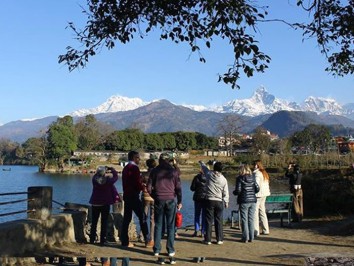
✅ Always Follow Your Guide’s Instructions

Professional naturalists and safari guides understand animal behavior and park safety. Never wander away from the group or ignore safety briefings.

✅ Maintain Silence in Wildlife Areas

Keep voices low and avoid sudden movements. Quiet behavior increases animal sightings and prevents disturbing wildlife.
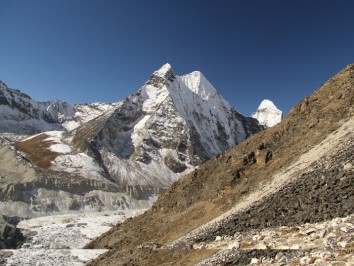
✅ Never Feed Wild Animals

Feeding wildlife is dangerous and strictly prohibited. It disrupts natural behavior and may cause aggressive reactions.
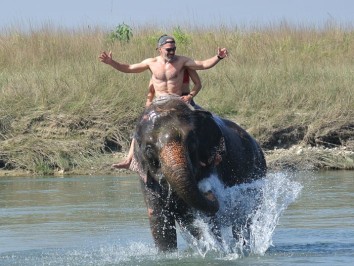
✅ Stay Inside Safari Vehicles & Boats

Do not stand up, lean out, or attempt to walk in restricted jungle zones unless guided.

✅ Keep a Safe Distance from Animals

Never approach rhinos, elephants, crocodiles, deer, or birds—even if they appear calm.

✅ Wear Proper Safari Clothing

Choose neutral colors like green, brown, or khaki. Avoid bright colors and camouflage (often restricted).

✅ Use Insect Repellent & Sun Protection

Protect yourself from mosquitoes and heat, especially during summer jungle safaris.

✅ No Loud Music or Flash Photography

Sudden noise and camera flashes can scare animals and provoke stress responses.

✅ Secure Your Belongings

Hold cameras, phones, hats, and water bottles firmly—especially during jeep and elephant safaris.

✅ Respect Park Rules & Nature

Do not litter, smoke, or collect plants, feathers, or stones.


Emergency & Health Tips

• Inform guides if you feel unwell
• Carry personal medications
• Drink clean bottled or filtered water
• Avoid touching unknown plants or insects

A jungle safari in Nepal is an unforgettable wildlife experience, especially in famous destinations like Chitwan National Park and Bardia National Park. Following these safari dos and don’ts helps ensure your safety, protects wildlife, and enhances your overall adventure.


✅ Jungle Safari Dos

✔️ Follow your professional guide’s instructions at all times
✔️ Maintain silence to avoid disturbing wildlife
✔️ Wear neutral-colored clothing for better animal sightings
✔️ Carry sunscreen, hat, sunglasses, and insect repellent
✔️ Keep cameras secured and ready for wildlife photography
✔️ Stay seated in safari vehicles and boats
✔️ Respect animals and observe from a safe distance
✔️ Drink enough water to stay hydrated
✔️ Use eco-friendly products and avoid plastic waste
✔️ Enjoy nature responsibly and patiently


❌ Jungle Safari Don’ts

❌ Do not feed or touch wild animals
❌ Do not shout, run, or make sudden movements
❌ Avoid bright colors and strong perfumes
❌ Never leave your safari group without permission
❌ Do not throw litter or damage plants
❌ Avoid flash photography
❌ Do not smoke or drink alcohol inside the park
❌ Never try to approach animals for selfies
❌ Do not carry weapons or sharp tools
❌ Avoid loud music or phone sounds

Recommended - Boutique Hotel in Thamel, Kathmandu

Charming Newari Heritage Hotel in central Kathmandu, with a rooftop restaurant for stunning valley views.

Everest Boutique Hotel
footer graphic

We are associated with

Acceptable payments

Find & Follow Us on

© 2011 - 2026 All rights reserved. Mountain Mart Treks & Expedition. Developed By: Xenatech Nepal.