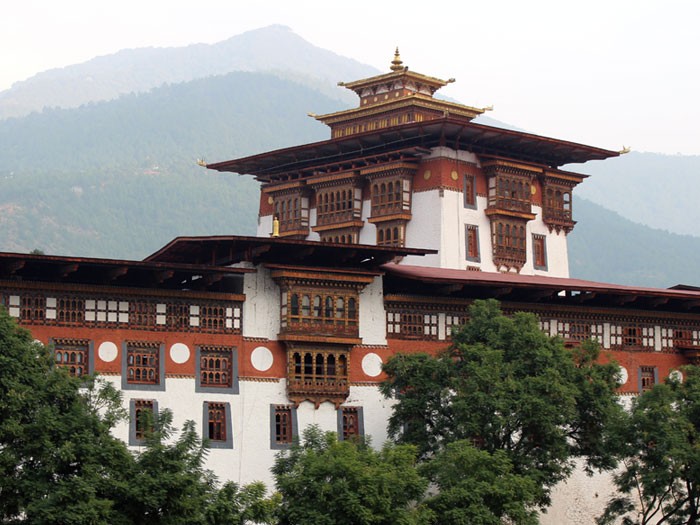
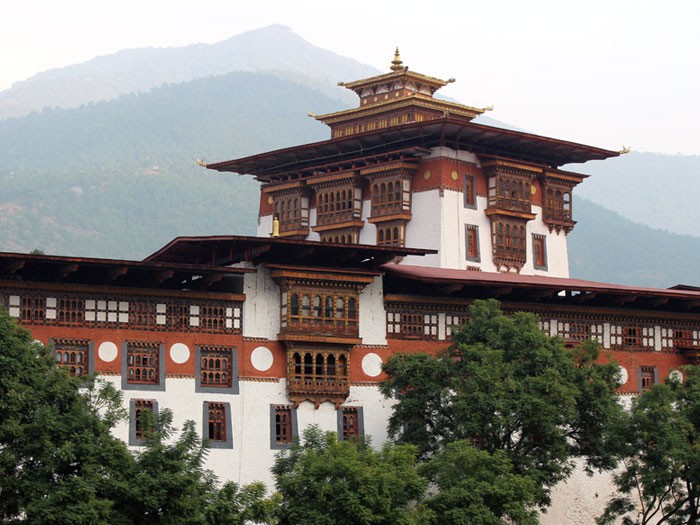
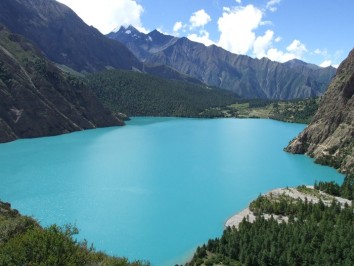
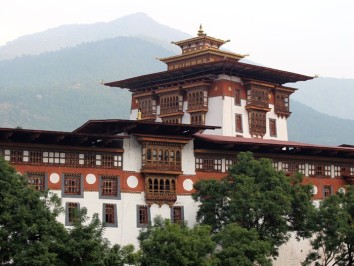
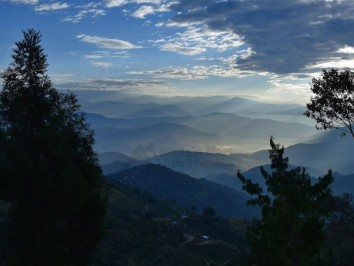
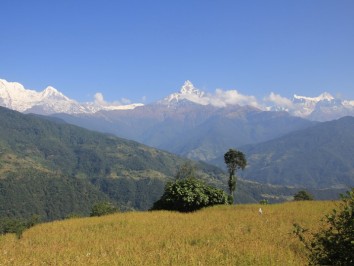
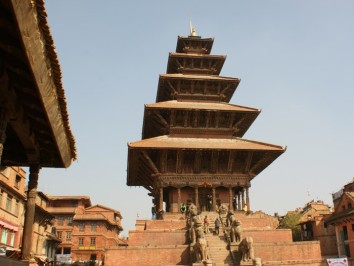
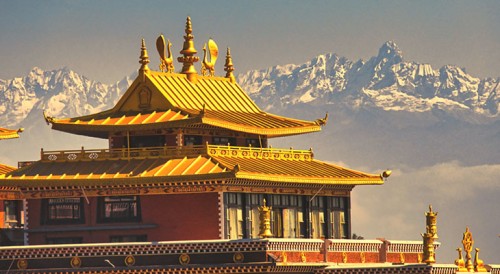
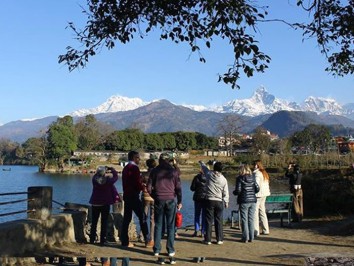
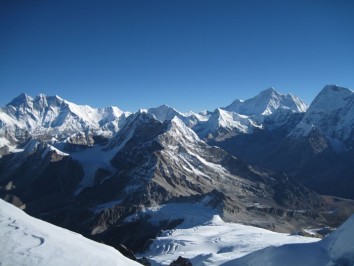
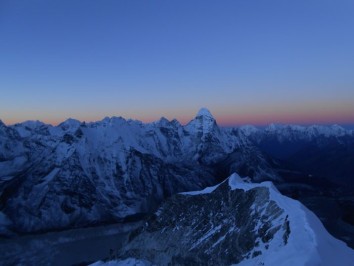
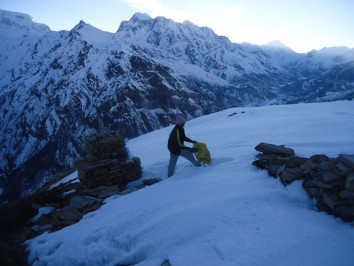
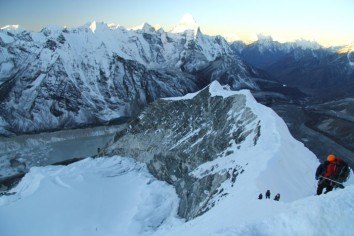
The Bhutan Spiritual Tour is an enriching journey into the heart of the Land of the Thunder Dragon, designed for travelers seeking spiritual awakening, Buddhist culture, and serene Himalayan landscapes. This tour takes visitors to Bhutan’s most sacred sites, including Paro Taktsang (Tiger’s Nest Monastery), Punakha Dzong, Bumthang’s ancient monasteries, and the sacred Phobjikha Valley, offering a deep connection with Bhutanese spiritual traditions. Along the way, travelers experience meditative retreats, prayer rituals, and insights into the country’s unique Buddhist heritage, while enjoying panoramic views of the Himalayan mountains and pristine valleys. Known as one of Bhutan’s best spiritual tours, it perfectly blends cultural immersion, Himalayan serenity, and mindful exploration, making it ideal for travelers seeking peace, reflection, and an authentic spiritual journey in Bhutan.
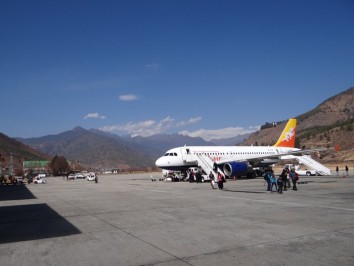
Paro is a town and seat of Paro district in the Paro valley of Bhutan. There are many sacred sites and historical buildings located in many different places of this district. The only international airport in this country also lies in this district.
This tour features many different Dzong, chorten and monasteries which lies in the route path of our Bhutan Spiritual Tour. Many of these monuments serves as the school of study of many areas of Buddhist religion. The tour help you get close to the history and culture of Bhutan. Not to forget, you can also enjoy local cuisines along the route.
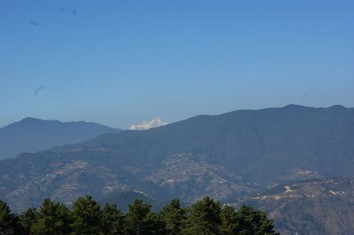
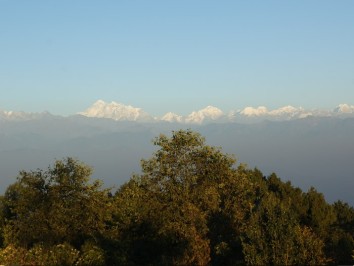
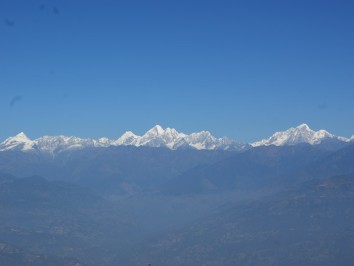
The flight to Paro is considered one of the most spectacular flight experiences in the world. While flying in and out of Bhutan, one can see Mt. Everest, Kanchenjunga, Makula, and other high peaks such as Jumolhari, Jichu Drakey, and Tsrim Gang. You will be received by Representative of Best Bhutan Travel at the airport and transferred to your hotel.
Note: Trekking hours and distances are approximate, and offer no more than a rough guide.
Flying into the country’s only international airport, in the beautiful valley of Paro (2200m/7218ft) the clear mountain air, forested ridges, imposing monasteries and welcoming Bhutanese people in their striking national dress, provides a breath-taking first impression, encapsulates within itself a rich culture, scenic beauty and hundreds of myths and legends.
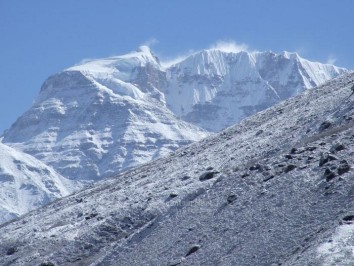
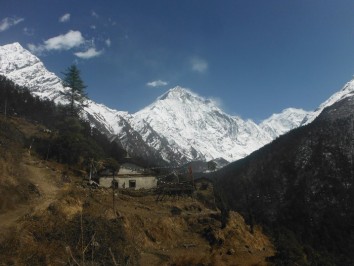
Mount. Jhomolhari (7,314m) reigns in white glory at the northern end of the valley and its glacial water plunge through deep gorges to form Pa Chhu (Paro River).
Paro is also considered as the ‘Rice bowl’ of the country as it is one of the most fertile valleys in the Kingdom producing a bulk of the locally famous red rice from its terraced fields.
The flight to and from Paro is considered one of the most spectacular flight experiences in the world offering fascinating views of the eastern Himalayan range, including Mt. Everest.
On arrival at airport, after immigration and custom formalities, you will be welcomed by our tour representative from Triip at Airport who will be accompanying you during your stay in Bhutan.
Drive to the capital, Thimphu at an elevation of 2340meter (7675ft) which takes about 1.5hours
Thimphu at an elevation of 2320m is a small, charming capital city nestled in the heart of the Himalayas with a population of about 100,000 people. It is the capital town of Bhutan and the centre of government, religion and commerce. It is a unique city with unusual mixture of modern development alongside ancient traditions maintaining a strong national character in its architectural style, although not what one expects from a capital city is still a fitting and lively place and home to civil servants, expatriates and monk body (central clergy).
Check into hotel and visit following places:
Later in the evening explore the Town/Handicrafts stall/ Centenary Farmer Market and even spot the dancing policeman directing the traffic.
Overnight in Thimpu.
Early morning attend meditation and prayer along with the nuns at Zilukha Nunnery and offer butter lamps.
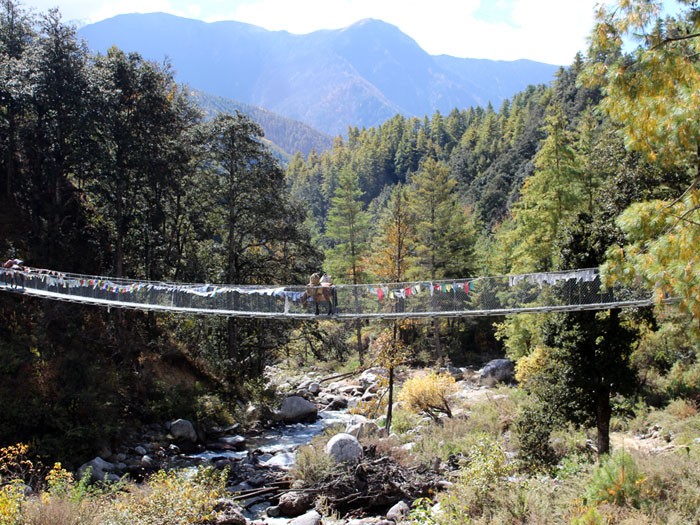
After breakfast at hotel, drive towards Cheri Monastery – Cheri Monastery is located 15 km drive north of Thimphu Valley. From a point you need to hike uphill of nearly 30-45 minutes. You need to cross old traditional bridge made of wood and stones. The Monastery is near Tango Monastery. Cheri Monastery was established in 1620 by Zhabdrung Ngawang Namgyal. The monastery is now a major teaching and retreat center of the Southern Drukpa Kagyu sect. The Monastery serves as the monastic school for study of Buddhist Philosophy, metaphysics, mathematics, poets and many other Buddhist studies. According to legend or history of Bhutan the place was first visited by Padmasambhava in the 8th century. In the 13th century it was visited by Phajo Drugom Zhigpo the Tibetan Lama who first established the Drukpa Kagyu tradition in Bhutan. Zhabdrung spent three years in strict retreat at the monastery and stayed for many years.
Meditation session for an hour inside the Cheri Monastery.
Picnic lunch at Cheri Bridge next to the newly built Stupa.
After lunch hike to Tango Monastery for about an hour. The Tango temple dates back to the 17th century and was built by the forth temporal leader, Gyeltse Tenzin Rabgay. It’s also a home to one of the finest paintings in the country. You will have an opportunity to interact with monks and learn about their lives.
Meditate inside the temple for about an hour and evening join with the monks and attend the evening prayer inside the monastery.
Dinner and fellowship with the monks.
Overnight: Tango Monastery (Monks guest house)
Attend early morning meditation and prayers with the monks for an hour.
After breakfast in the monastery hike down to base the base of Tango and drive towards Dochula Pass which stands at an elevation of 3150m/10,000ft and offers panoramic views of the Himalayas. The pass is decorated with 108 Druk Wangyel Chorten, which were built to celebrate the stability and progress, brought to Bhutan by His Majesty Jigme Singye Wangchuck, the Fourth King.
Punakha Altitude: 1300m/4265ft. Punakha served as the capital of Bhutan during the time of Zhabdrun Ngawang Namkgyal, the founder of Bhutan. Today it is the administrative and religious center of the district and the winter home of Bhutan’s Central Monk Body.
Visit the following places in Punakha:
Overnight in Punakha: Monastery or Aum Leki Chaper Room.
Morning, after breakfast drive to Bumthang situated at an elevation of 2600m / 8655ft) which falls in the central part of the country. It is comprised of four valleys namely Chummey, Chamkhar, Tang & Ura. It is also said to be the first valleys in the country to have received the influence of Buddhism.The main staple food in this region was buck wheat but in the later years people have started to cultivate rice.
Drive pass by the ruins of Wangdue Dzong (Fortress), unfortunately destroyed by fire in the year 2012 but now under construction. Continue to Trongsa over Pelela (Pass) at 3300m/10989ft which forms the part of Black mountain range that divides the country into east and west. The drive is long but the landscape is pleasing and worthy.
Overnight in Bumthang.
Explore the valley making visits to these place:
Overnight in Bumthang
Retrace and enjoy the drive back to the glacial valley through the dense forests of the Phobjikha Valley situated at an elevation 2900m/9655ft. where potato fields occupies most of the land with more or less five thousand inhabitants.
The valley is home for the endangered Black Necked Crane, one of the rare specials of the birds in the world, which migrates from Tibetan plateau to Bhutan in winters (Early Nov to end of Feb) to avoid the harsh climatic conditions in Tibet. Phobjikha valley at 2900 meter is also paradise for nature lovers and hikers so one can enjoy the hike around the remote valley of Phobjikha. You arrive at Gangtey village. Make visits to the places around this valley.
Gangtey Monastery: The icon and the heart of the valley. A castle like monastery built in 1613 by the great grandson of the Pema Lingpa (treasure revealer). As the founder of the traditional arts and crafts which is existent in the counter prophesized that one day my descendents will erect a structure of religious significance at a summit of a mountain. True to the prophesy the current monastery was built. It is home for the few hundred monks who study ‘Nyingmapa’ (sect/school of Buddhism) looked after by the 9threincarnated priest. The monastery is considered to be the largest and the only Nyingma(Buddhist institution in this part(west) of the country.
Evening: Explore Phobjikha valley.
Retrace your journey and the drive back to the enchanting valley of Paro. Visit Kyichu Lhakhang – It is one of the oldest and most sacred shrines of the Kingdom dating back to 7th century (the other is Jambey Lhakahng in Bumthang). The lhakhang complex is composed of two temples. The first temple was built by Tibetan King, Songtsen Gampo in the 7th century and in 1968, H.M. Ashi Kesang, the Queen Mother of Bhutan, built the second temple in original pattern. In the evening walk through Paro town. Meditation and offer butter lamp in Kyichu Lhakhang.
Overnight in Paro: Naksel Boutique Hotel and Spa.
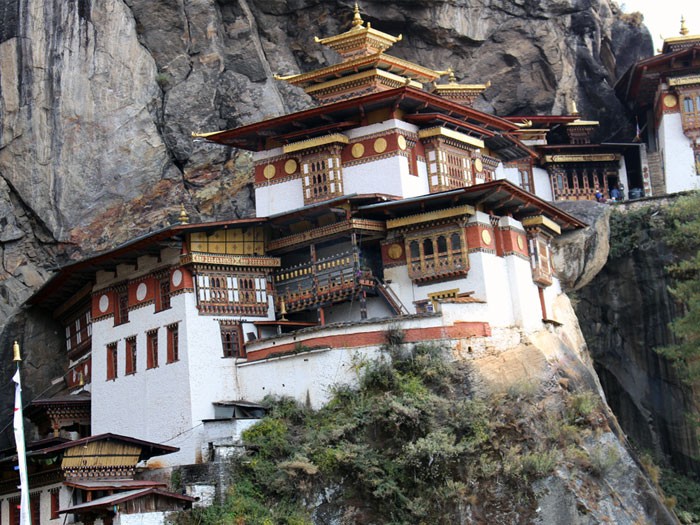
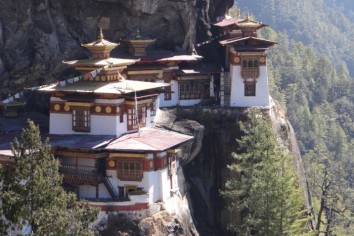
Attend early morning mediation, Yoga and prayers in Naksel Yoga hall with the view of Tiger’s Nest Monastery & Jumolhari Mountain (Second highest Mountain in Bhutan). A visit to Bhutan is incomplete without going to Paro Taktsang (Tiger’s lair), one of the most sanctified and sacred temples in Bhutan. Transfer to trail-head (30 minutes’ drive from the hotel), It is 5 hour round trip along an old trail. Begin your trek to Takstang monastery (3150m), Bhutan’s most famous sight. It is located on the face of a 900m sheer cliff, but accessible only by walk or to ride mule/pony.Your guide can arrange pony/horse for ride uphill till the Cafeteria (half way point), but one must be able to walk after that. A proper trekking boot or good walking shoes is necessary. For this hike those who choose not to can stay back with the driver and tour around Paro. This hike is absolutely unforgettable and promises every visitor an enthralling experience. Evening: relax at your hotel and enjoy Menchu Spa at Naksel. Overnight in Paro.
After breakfast, transfer to Paro airport for departure.
The Bhutan Spiritual Tour is a curated journey through Bhutan’s sacred sites, monasteries, and Himalayan landscapes, designed for travelers seeking spiritual growth, meditation, and cultural immersion.
This tour covers key spiritual and cultural regions of Bhutan, including Paro, Thimphu, Punakha, Bumthang, and Phobjikha Valley.
The tour typically lasts 9 days, depending on the chosen itinerary and depth of spiritual experiences.
It is an easy to moderate tour, suitable for travelers of all ages, with gentle walks and minimal physical strain.
The best seasons are spring (March–May) for festivals and blooming landscapes, and autumn (September–November) for clear skies and pleasant weather.
Yes, all international travelers require a Bhutanese visa, which is arranged through licensed tour operators.
Yes, a licensed Bhutanese guide is mandatory and provides insights into the country’s spiritual sites, Buddhist traditions, and local culture.
Accommodation is in 3- to 5-star hotels, heritage lodges, or traditional Bhutanese guesthouses, ensuring comfort and cultural authenticity.
Travelers can enjoy authentic Bhutanese cuisine, including ema datshi (chili cheese), momos, red rice, and local herbal teas.
Yes, it is family-friendly, with gentle walks, cultural visits, and educational experiences suitable for all age groups.
Key sites include Paro Taktsang (Tiger’s Nest Monastery), Punakha Dzong, Bumthang monasteries, and sacred temples in Phobjikha Valley.
Yes, the tour includes opportunities for guided meditation, prayer rituals, and mindfulness experiences at monasteries and sacred sites.
Bhutan regulates tourism, so the tour is peaceful, well-organized, and rarely crowded, providing an authentic spiritual experience.
Yes, itineraries can be tailored to include specific monasteries, meditation retreats, or festival participation.
The tour combines Himalayan scenery, Buddhist culture, ancient monasteries, meditation experiences, and local traditions, offering a truly immersive spiritual journey in Bhutan.
Yes, Bhutan is one of the safest travel destinations, with low crime rates and well-organized tourism infrastructure.
Mountain Mart Treks & Expedition Pvt. Ltd. provides licensed Bhutanese guides, well-planned itineraries, authentic cultural experiences, and comfortable accommodations for an unforgettable spiritual journey.
Eating is a big part of Holiday. Travelling with Mountain Mart Trek, you experience the vast array of wonderful food Nepalese, Chinese, Continental, Italian and several local cuisines. Breakfast, Lunch & Dinner are included in the package. Your guide will suggest delicious, hygienic and each place special food during your trip. Mountain restaurant owner prefer not to order many dishes and waste food as they would like to cater more trekkers with limited food before run off stuck. Its a week or more days hard work to porters and caravans to bring food to these places. During this trek you will usually have breakfast and dinner at the same Lodge, lunch will be eaten at one of the trail side restaurants en-route.
A Tea House is the combination of guest house, restaurant, and social hang out. Private rooms are available in most Tea Houses, except for high altitudes ones where it will be just dormitories. The lodges are fairly basic. The rooms are spare with twin beds and very little additional furniture. Blankets are generally provided. There is a large dining room-cum-lounge, warmed by the bukhara stove (an iron cylinder, fitted with a chimney duct, in which a log fire is lighted. There is normally no electric lighting in the rooms unless the village has hydroelectric power. The dining room usually hassolar lighting.
Most teahouses now also have electricity for charging small appliances - mobile phones and cameras - and there may be a small charge for this.
Mountain Mart Trek provides unlimited chlorine/Iodine treated water during the trek. All tea houses have mineral water and boiled water for trekkers upon additional cost. We discourage the purchase of Mineral water and bottled water while on the Trek as plastic bottles aredifficult to dispose off and have become an environmental problem
Mountain Mart Trek offers you complementary route map and T-shirt
This is a very active trip, meaning you will be on the move most of the time, so pack as lightly as possible. We provide one porter for every two travellers; your trekking gear will be carried by the porter in a duffel bag that we will provide. The maximum the porters are allowed to carry 15 kgs per trekker means 30 kgs from 2 trekkers . Unnecessary luggage can left in Kathmandu Hotel and its absolutely free of cost. .
Please read the Checklist section of this trip notes for additional details of what you need to bring for the trek on this trip. You will need to bring a comfortable medium sized day pack to carry the things that you will need during the day. This should have a waist strap or (better) a padded waist belt. The weather is subject to change in high altitude so layered clothing is recommended throughout the year.
All international visitors require a tourist visa to enter Bhutan. Visas must be processed through a licensed Bhutanese tour operator. Travelers are advised to submit documents well in advance. Most visitors search for “Bhutan visa for tourists” and “how to get a Bhutan visa.”
The ideal time for Bhutan cultural tours is during spring (March–May) and autumn (September–November). These months offer pleasant weather, clear skies, and cultural festivals, perfect for sightseeing and photography. Popular searches include “best time to visit Bhutan” and “Bhutan weather for tourists.”
The local currency is the Ngultrum (BTN), which is pegged to the Indian Rupee (INR). International travelers also use USD in some locations. Visitors frequently search for “Bhutan currency exchange” and “how to pay in Bhutan.”
Visitors are expected to respect Bhutanese traditions, dress modestly, and remove shoes when entering monasteries and dzongs. Common searches include “Bhutan cultural etiquette” and “what to wear in Bhutan.”
No mandatory vaccinations are required, but travelers should ensure routine vaccinations are up to date. International tourists often look for “health tips for Bhutan travel” or “is Bhutan safe to travel.”
While Wi-Fi is available in major hotels, connectivity in rural areas can be limited. Popular search queries include “Bhutan internet and mobile connectivity.”
Lightweight clothing for summer, warm layers for winter, comfortable walking shoes, and photography gear are recommended. Visitors often search for “what to pack for Bhutan tour” or “Bhutan travel essentials.”
Bhutan is famous for its cultural festivals (Tshechus), traditional arts, and monasteries. Travelers frequently search for “Bhutan cultural festivals” and “things to do in Bhutan.”
Bhutan promotes high-value, low-impact tourism. Travelers are encouraged to respect local customs and environment. Common searches include “responsible tourism in Bhutan” and “eco-friendly Bhutan tours.”
A 30% deposit of the total tour cost is required to confirm your Bhutan Spiritual Tour.
The remaining 70% balance must be paid 30 days prior to the tour start date.
Bookings are confirmed only after receipt of deposit and approval from a licensed Bhutanese tour operator.
Travelers are strongly encouraged to have travel insurance covering:
Medical emergencies
Trip cancellations
Lost baggage
This ensures peace of mind during your Bhutan Spiritual Tour.
The following Bhutan tour packing list contains general recommendations for travelers. If you are already booked on a Bhutan or Nepal-Bhutan combined tour with Mountain Mart Treks & Expedition Pvt. Ltd, please refer to your pre-departure materials for the most up-to-date, trip-specific packing checklist.
Your style of dress can affect your interaction with local people. Always check with your guide for proper dress codes for the day’s activities.
Bhutan is a conservative country, and locals wear traditional dress (gho for men, kira for women). Visitors are required to wear pants and covered shoulders when entering dzongs or monasteries, which occurs frequently. Recommended clothing includes:
Tips: Wear clothes that cover your elbows and knees for visits to monasteries. Layering is key as temperatures can change quickly.
Our outdoor staffs are fully insured and well equipped. MMT offers attractive salary packages to guides, porters and other trekking staffs. We also pay sustainable salaries/wages during low season when no work is available. Our porters may carry a maximum mass of 30 kilograms.
We have extensive logistical experience in both individual and group tour operations. We customize your holdiay as per requirment and always endeavour to meet ultimate expetation. MMT tour operaters are professionalize in Nepal trekking, high adventure passes, climbing and mountaineering, cultural tours, white water rafting and many more.
Safety and trip comfort are no compromises and top priorities of the company inclusively to both clients and trekking crews. Our trekking leaders are pharmacy trained and have considerable knowledge on AMS (Acute Mountain Sickness) from different training workshops conducted by HRA (Himalayan Rescue Association), KEEP (Kathmandu Education Invironment Project) and TAAN (Trekking Agencies' Association of Nepal) . We believe health is wealth: Guides and porters are fully insured and sufficient trekking gear is supplied by MMT. Emergency First Aid Kits are carried by trek leaders for health support for clients and trekking staff. We are constantly in communication with our trek leaders about weather issues which might influence trips.
We are an independent ultimate outdoor adventure team, based in Nepal, who explore and experience the unspoiled flora, fauna and landscapes of the towering Himalayas as well as the treasures of myth and legend of Nepal, Tibet and Bhutan. Mountain Mart Treks offers a splendid alternative solution for adventure, fun, research, and eco tourism to these South Asian countries. We believe each our happy client is our next trek.
Mountain Mart Trek has numerous fixed departures trekking tours to match several travelers. Besides, we also offer customize guaranteed departure dates upon your advice and make happen comfortably. MMT will organize treks for groups with specific interests and will adjust itineraries for groups with age-specific requirements. Group sizes can range from a single trekker up to a maximum of 10 people
Our trekking team has more than 20 years route experiences in remote adventure, peak climbing, expeditions, culture and nature research, whatever your condition we will help you to achieve your final goal. We believe in adventure beyond the fun. We are more specialized in unbeaten and unspoiled nature finder trekking operator..
Our prices are extremely competitive and our service will touch your feelings. We have a good business relationship with domestic and international airlines, hotels and resorts and are the sole agents for several treks and tours. We guarantee fair prices and top class unexpected Services.We offer a transparent travel service and no hidden costs will hit our clients during their trip.
MMT offers a one stop travel solution and is proud to inform our valued clients that all types of travel service, including international air bookings, visa services for India, Tibet, Bhutan, and China are on offer. Apart from trekking, we are the sole agents for mountain climbing expeditions, white water rafting, wildlife safaris, cultural tours, bird watching tours as well as budget and group tours to Tibet and Bhutan

Traveling to Bhutan is a unique cultural experience, and proper preparation ensures a smooth and enjoyable trip. These Bhutan travel tips will help international visitors navigate the country, respect local customs, and make the most of their cultural tour.
Response Time 3 Hours , Response Rate 100%
Enjoy the popular trekking and tour packages in Nepal Himalayas. 2026.

The Bhutan Spiritual Tour is an enriching journey into the heart of the Land of the Thunder Dragon, designed for travelers seeking spiritual awakening, Buddhist culture, and serene Himalayan landscapes. This tour takes visitors to Bhutan’s most sacred sites, including Paro Taktsang (Tiger’s Nest Monastery), Punakha Dzong, Bumthang’s ancient monasteries, and the sacred Phobjikha Valley, offering a deep connection with Bhutanese spiritual traditions. Along the way, travelers experience meditative retreats, prayer rituals, and insights into the country’s unique Buddhist heritage, while enjoying panoramic views of the Himalayan mountains and pristine valleys. Known as one of Bhutan’s best spiritual tours, it perfectly blends cultural immersion, Himalayan serenity, and mindful exploration, making it ideal for travelers seeking peace, reflection, and an authentic spiritual journey in Bhutan.
Paro is a town and seat of Paro district in the Paro valley of Bhutan. There are many sacred sites and historical buildings located in many different places of this district. The only international airport in this country also lies in this district.
This tour features many different Dzong, chorten and monasteries which lies in the route path of our Bhutan Spiritual Tour. Many of these monuments serves as the school of study of many areas of Buddhist religion. The tour help you get close to the history and culture of Bhutan. Not to forget, you can also enjoy local cuisines along the route.
The flight to Paro is considered one of the most spectacular flight experiences in the world. While flying in and out of Bhutan, one can see Mt. Everest, Kanchenjunga, Makula, and other high peaks such as Jumolhari, Jichu Drakey, and Tsrim Gang. You will be received by Representative of Best Bhutan Travel at the airport and transferred to your hotel.
Note: Trekking hours and distances are approximate, and offer no more than a rough guide.
| Day 1 | Arrival: Bangkok - Paro – Thimphu |
| Day 2 | Thimpu |
| Day 3 | Thimphu – Punakha |
| Day 4 | Punakha – Bumthang |
| Day 5 | Bumthang – 2600m (Full Day Excursion) |
| Day 6 | Bumthang – Phobjikha |
| Day 7 | Phobjikha – Paro |
| Day 8 | Paro - Hike to Taktshang, Tiger’s Nest |
| Day 9 | Departure: Paro – Bangkok |
Flying into the country’s only international airport, in the beautiful valley of Paro (2200m/7218ft) the clear mountain air, forested ridges, imposing monasteries and welcoming Bhutanese people in their striking national dress, provides a breath-taking first impression, encapsulates within itself a rich culture, scenic beauty and hundreds of myths and legends.
Mount. Jhomolhari (7,314m) reigns in white glory at the northern end of the valley and its glacial water plunge through deep gorges to form Pa Chhu (Paro River).
Paro is also considered as the ‘Rice bowl’ of the country as it is one of the most fertile valleys in the Kingdom producing a bulk of the locally famous red rice from its terraced fields.
The flight to and from Paro is considered one of the most spectacular flight experiences in the world offering fascinating views of the eastern Himalayan range, including Mt. Everest.
On arrival at airport, after immigration and custom formalities, you will be welcomed by our tour representative from Triip at Airport who will be accompanying you during your stay in Bhutan.
Drive to the capital, Thimphu at an elevation of 2340meter (7675ft) which takes about 1.5hours
Thimphu at an elevation of 2320m is a small, charming capital city nestled in the heart of the Himalayas with a population of about 100,000 people. It is the capital town of Bhutan and the centre of government, religion and commerce. It is a unique city with unusual mixture of modern development alongside ancient traditions maintaining a strong national character in its architectural style, although not what one expects from a capital city is still a fitting and lively place and home to civil servants, expatriates and monk body (central clergy).
Check into hotel and visit following places:
Later in the evening explore the Town/Handicrafts stall/ Centenary Farmer Market and even spot the dancing policeman directing the traffic.
Overnight in Thimpu.
Early morning attend meditation and prayer along with the nuns at Zilukha Nunnery and offer butter lamps.
After breakfast at hotel, drive towards Cheri Monastery – Cheri Monastery is located 15 km drive north of Thimphu Valley. From a point you need to hike uphill of nearly 30-45 minutes. You need to cross old traditional bridge made of wood and stones. The Monastery is near Tango Monastery. Cheri Monastery was established in 1620 by Zhabdrung Ngawang Namgyal. The monastery is now a major teaching and retreat center of the Southern Drukpa Kagyu sect. The Monastery serves as the monastic school for study of Buddhist Philosophy, metaphysics, mathematics, poets and many other Buddhist studies. According to legend or history of Bhutan the place was first visited by Padmasambhava in the 8th century. In the 13th century it was visited by Phajo Drugom Zhigpo the Tibetan Lama who first established the Drukpa Kagyu tradition in Bhutan. Zhabdrung spent three years in strict retreat at the monastery and stayed for many years.
Meditation session for an hour inside the Cheri Monastery.
Picnic lunch at Cheri Bridge next to the newly built Stupa.
After lunch hike to Tango Monastery for about an hour. The Tango temple dates back to the 17th century and was built by the forth temporal leader, Gyeltse Tenzin Rabgay. It’s also a home to one of the finest paintings in the country. You will have an opportunity to interact with monks and learn about their lives.
Meditate inside the temple for about an hour and evening join with the monks and attend the evening prayer inside the monastery.
Dinner and fellowship with the monks.
Overnight: Tango Monastery (Monks guest house)
Attend early morning meditation and prayers with the monks for an hour.
After breakfast in the monastery hike down to base the base of Tango and drive towards Dochula Pass which stands at an elevation of 3150m/10,000ft and offers panoramic views of the Himalayas. The pass is decorated with 108 Druk Wangyel Chorten, which were built to celebrate the stability and progress, brought to Bhutan by His Majesty Jigme Singye Wangchuck, the Fourth King.
Punakha Altitude: 1300m/4265ft. Punakha served as the capital of Bhutan during the time of Zhabdrun Ngawang Namkgyal, the founder of Bhutan. Today it is the administrative and religious center of the district and the winter home of Bhutan’s Central Monk Body.
Visit the following places in Punakha:
Overnight in Punakha: Monastery or Aum Leki Chaper Room.
Morning, after breakfast drive to Bumthang situated at an elevation of 2600m / 8655ft) which falls in the central part of the country. It is comprised of four valleys namely Chummey, Chamkhar, Tang & Ura. It is also said to be the first valleys in the country to have received the influence of Buddhism.The main staple food in this region was buck wheat but in the later years people have started to cultivate rice.
Drive pass by the ruins of Wangdue Dzong (Fortress), unfortunately destroyed by fire in the year 2012 but now under construction. Continue to Trongsa over Pelela (Pass) at 3300m/10989ft which forms the part of Black mountain range that divides the country into east and west. The drive is long but the landscape is pleasing and worthy.
Overnight in Bumthang.
Explore the valley making visits to these place:
Overnight in Bumthang
Retrace and enjoy the drive back to the glacial valley through the dense forests of the Phobjikha Valley situated at an elevation 2900m/9655ft. where potato fields occupies most of the land with more or less five thousand inhabitants.
The valley is home for the endangered Black Necked Crane, one of the rare specials of the birds in the world, which migrates from Tibetan plateau to Bhutan in winters (Early Nov to end of Feb) to avoid the harsh climatic conditions in Tibet. Phobjikha valley at 2900 meter is also paradise for nature lovers and hikers so one can enjoy the hike around the remote valley of Phobjikha. You arrive at Gangtey village. Make visits to the places around this valley.
Gangtey Monastery: The icon and the heart of the valley. A castle like monastery built in 1613 by the great grandson of the Pema Lingpa (treasure revealer). As the founder of the traditional arts and crafts which is existent in the counter prophesized that one day my descendents will erect a structure of religious significance at a summit of a mountain. True to the prophesy the current monastery was built. It is home for the few hundred monks who study ‘Nyingmapa’ (sect/school of Buddhism) looked after by the 9threincarnated priest. The monastery is considered to be the largest and the only Nyingma(Buddhist institution in this part(west) of the country.
Evening: Explore Phobjikha valley.
Retrace your journey and the drive back to the enchanting valley of Paro. Visit Kyichu Lhakhang – It is one of the oldest and most sacred shrines of the Kingdom dating back to 7th century (the other is Jambey Lhakahng in Bumthang). The lhakhang complex is composed of two temples. The first temple was built by Tibetan King, Songtsen Gampo in the 7th century and in 1968, H.M. Ashi Kesang, the Queen Mother of Bhutan, built the second temple in original pattern. In the evening walk through Paro town. Meditation and offer butter lamp in Kyichu Lhakhang.
Overnight in Paro: Naksel Boutique Hotel and Spa.
Attend early morning mediation, Yoga and prayers in Naksel Yoga hall with the view of Tiger’s Nest Monastery & Jumolhari Mountain (Second highest Mountain in Bhutan). A visit to Bhutan is incomplete without going to Paro Taktsang (Tiger’s lair), one of the most sanctified and sacred temples in Bhutan. Transfer to trail-head (30 minutes’ drive from the hotel), It is 5 hour round trip along an old trail. Begin your trek to Takstang monastery (3150m), Bhutan’s most famous sight. It is located on the face of a 900m sheer cliff, but accessible only by walk or to ride mule/pony.Your guide can arrange pony/horse for ride uphill till the Cafeteria (half way point), but one must be able to walk after that. A proper trekking boot or good walking shoes is necessary. For this hike those who choose not to can stay back with the driver and tour around Paro. This hike is absolutely unforgettable and promises every visitor an enthralling experience. Evening: relax at your hotel and enjoy Menchu Spa at Naksel. Overnight in Paro.
After breakfast, transfer to Paro airport for departure.
The Bhutan Spiritual Tour is a curated journey through Bhutan’s sacred sites, monasteries, and Himalayan landscapes, designed for travelers seeking spiritual growth, meditation, and cultural immersion.
This tour covers key spiritual and cultural regions of Bhutan, including Paro, Thimphu, Punakha, Bumthang, and Phobjikha Valley.
The tour typically lasts 9 days, depending on the chosen itinerary and depth of spiritual experiences.
It is an easy to moderate tour, suitable for travelers of all ages, with gentle walks and minimal physical strain.
The best seasons are spring (March–May) for festivals and blooming landscapes, and autumn (September–November) for clear skies and pleasant weather.
Yes, all international travelers require a Bhutanese visa, which is arranged through licensed tour operators.
Yes, a licensed Bhutanese guide is mandatory and provides insights into the country’s spiritual sites, Buddhist traditions, and local culture.
Accommodation is in 3- to 5-star hotels, heritage lodges, or traditional Bhutanese guesthouses, ensuring comfort and cultural authenticity.
Travelers can enjoy authentic Bhutanese cuisine, including ema datshi (chili cheese), momos, red rice, and local herbal teas.
Yes, it is family-friendly, with gentle walks, cultural visits, and educational experiences suitable for all age groups.
Key sites include Paro Taktsang (Tiger’s Nest Monastery), Punakha Dzong, Bumthang monasteries, and sacred temples in Phobjikha Valley.
Yes, the tour includes opportunities for guided meditation, prayer rituals, and mindfulness experiences at monasteries and sacred sites.
Bhutan regulates tourism, so the tour is peaceful, well-organized, and rarely crowded, providing an authentic spiritual experience.
Yes, itineraries can be tailored to include specific monasteries, meditation retreats, or festival participation.
The tour combines Himalayan scenery, Buddhist culture, ancient monasteries, meditation experiences, and local traditions, offering a truly immersive spiritual journey in Bhutan.
Yes, Bhutan is one of the safest travel destinations, with low crime rates and well-organized tourism infrastructure.
Mountain Mart Treks & Expedition Pvt. Ltd. provides licensed Bhutanese guides, well-planned itineraries, authentic cultural experiences, and comfortable accommodations for an unforgettable spiritual journey.
Eating is a big part of Holiday. Travelling with Mountain Mart Trek, you experience the vast array of wonderful food Nepalese, Chinese, Continental, Italian and several local cuisines. Breakfast, Lunch & Dinner are included in the package. Your guide will suggest delicious, hygienic and each place special food during your trip. Mountain restaurant owner prefer not to order many dishes and waste food as they would like to cater more trekkers with limited food before run off stuck. Its a week or more days hard work to porters and caravans to bring food to these places. During this trek you will usually have breakfast and dinner at the same Lodge, lunch will be eaten at one of the trail side restaurants en-route.
A Tea House is the combination of guest house, restaurant, and social hang out. Private rooms are available in most Tea Houses, except for high altitudes ones where it will be just dormitories. The lodges are fairly basic. The rooms are spare with twin beds and very little additional furniture. Blankets are generally provided. There is a large dining room-cum-lounge, warmed by the bukhara stove (an iron cylinder, fitted with a chimney duct, in which a log fire is lighted. There is normally no electric lighting in the rooms unless the village has hydroelectric power. The dining room usually hassolar lighting.
Most teahouses now also have electricity for charging small appliances - mobile phones and cameras - and there may be a small charge for this.
Mountain Mart Trek provides unlimited chlorine/Iodine treated water during the trek. All tea houses have mineral water and boiled water for trekkers upon additional cost. We discourage the purchase of Mineral water and bottled water while on the Trek as plastic bottles aredifficult to dispose off and have become an environmental problem
Mountain Mart Trek offers you complementary route map and T-shirt
This is a very active trip, meaning you will be on the move most of the time, so pack as lightly as possible. We provide one porter for every two travellers; your trekking gear will be carried by the porter in a duffel bag that we will provide. The maximum the porters are allowed to carry 15 kgs per trekker means 30 kgs from 2 trekkers . Unnecessary luggage can left in Kathmandu Hotel and its absolutely free of cost. .
Please read the Checklist section of this trip notes for additional details of what you need to bring for the trek on this trip. You will need to bring a comfortable medium sized day pack to carry the things that you will need during the day. This should have a waist strap or (better) a padded waist belt. The weather is subject to change in high altitude so layered clothing is recommended throughout the year.
All international visitors require a tourist visa to enter Bhutan. Visas must be processed through a licensed Bhutanese tour operator. Travelers are advised to submit documents well in advance. Most visitors search for “Bhutan visa for tourists” and “how to get a Bhutan visa.”
The ideal time for Bhutan cultural tours is during spring (March–May) and autumn (September–November). These months offer pleasant weather, clear skies, and cultural festivals, perfect for sightseeing and photography. Popular searches include “best time to visit Bhutan” and “Bhutan weather for tourists.”
The local currency is the Ngultrum (BTN), which is pegged to the Indian Rupee (INR). International travelers also use USD in some locations. Visitors frequently search for “Bhutan currency exchange” and “how to pay in Bhutan.”
Visitors are expected to respect Bhutanese traditions, dress modestly, and remove shoes when entering monasteries and dzongs. Common searches include “Bhutan cultural etiquette” and “what to wear in Bhutan.”
No mandatory vaccinations are required, but travelers should ensure routine vaccinations are up to date. International tourists often look for “health tips for Bhutan travel” or “is Bhutan safe to travel.”
While Wi-Fi is available in major hotels, connectivity in rural areas can be limited. Popular search queries include “Bhutan internet and mobile connectivity.”
Lightweight clothing for summer, warm layers for winter, comfortable walking shoes, and photography gear are recommended. Visitors often search for “what to pack for Bhutan tour” or “Bhutan travel essentials.”
Bhutan is famous for its cultural festivals (Tshechus), traditional arts, and monasteries. Travelers frequently search for “Bhutan cultural festivals” and “things to do in Bhutan.”
Bhutan promotes high-value, low-impact tourism. Travelers are encouraged to respect local customs and environment. Common searches include “responsible tourism in Bhutan” and “eco-friendly Bhutan tours.”
A 30% deposit of the total tour cost is required to confirm your Bhutan Spiritual Tour.
The remaining 70% balance must be paid 30 days prior to the tour start date.
Bookings are confirmed only after receipt of deposit and approval from a licensed Bhutanese tour operator.
Travelers are strongly encouraged to have travel insurance covering:
Medical emergencies
Trip cancellations
Lost baggage
This ensures peace of mind during your Bhutan Spiritual Tour.
The following Bhutan tour packing list contains general recommendations for travelers. If you are already booked on a Bhutan or Nepal-Bhutan combined tour with Mountain Mart Treks & Expedition Pvt. Ltd, please refer to your pre-departure materials for the most up-to-date, trip-specific packing checklist.
Your style of dress can affect your interaction with local people. Always check with your guide for proper dress codes for the day’s activities.
Bhutan is a conservative country, and locals wear traditional dress (gho for men, kira for women). Visitors are required to wear pants and covered shoulders when entering dzongs or monasteries, which occurs frequently. Recommended clothing includes:
Tips: Wear clothes that cover your elbows and knees for visits to monasteries. Layering is key as temperatures can change quickly.
Our outdoor staffs are fully insured and well equipped. MMT offers attractive salary packages to guides, porters and other trekking staffs. We also pay sustainable salaries/wages during low season when no work is available. Our porters may carry a maximum mass of 30 kilograms.
We have extensive logistical experience in both individual and group tour operations. We customize your holdiay as per requirment and always endeavour to meet ultimate expetation. MMT tour operaters are professionalize in Nepal trekking, high adventure passes, climbing and mountaineering, cultural tours, white water rafting and many more.
Safety and trip comfort are no compromises and top priorities of the company inclusively to both clients and trekking crews. Our trekking leaders are pharmacy trained and have considerable knowledge on AMS (Acute Mountain Sickness) from different training workshops conducted by HRA (Himalayan Rescue Association), KEEP (Kathmandu Education Invironment Project) and TAAN (Trekking Agencies' Association of Nepal) . We believe health is wealth: Guides and porters are fully insured and sufficient trekking gear is supplied by MMT. Emergency First Aid Kits are carried by trek leaders for health support for clients and trekking staff. We are constantly in communication with our trek leaders about weather issues which might influence trips.
We are an independent ultimate outdoor adventure team, based in Nepal, who explore and experience the unspoiled flora, fauna and landscapes of the towering Himalayas as well as the treasures of myth and legend of Nepal, Tibet and Bhutan. Mountain Mart Treks offers a splendid alternative solution for adventure, fun, research, and eco tourism to these South Asian countries. We believe each our happy client is our next trek.
Mountain Mart Trek has numerous fixed departures trekking tours to match several travelers. Besides, we also offer customize guaranteed departure dates upon your advice and make happen comfortably. MMT will organize treks for groups with specific interests and will adjust itineraries for groups with age-specific requirements. Group sizes can range from a single trekker up to a maximum of 10 people
Our trekking team has more than 20 years route experiences in remote adventure, peak climbing, expeditions, culture and nature research, whatever your condition we will help you to achieve your final goal. We believe in adventure beyond the fun. We are more specialized in unbeaten and unspoiled nature finder trekking operator..
Our prices are extremely competitive and our service will touch your feelings. We have a good business relationship with domestic and international airlines, hotels and resorts and are the sole agents for several treks and tours. We guarantee fair prices and top class unexpected Services.We offer a transparent travel service and no hidden costs will hit our clients during their trip.
MMT offers a one stop travel solution and is proud to inform our valued clients that all types of travel service, including international air bookings, visa services for India, Tibet, Bhutan, and China are on offer. Apart from trekking, we are the sole agents for mountain climbing expeditions, white water rafting, wildlife safaris, cultural tours, bird watching tours as well as budget and group tours to Tibet and Bhutan

Traveling to Bhutan is a unique cultural experience, and proper preparation ensures a smooth and enjoyable trip. These Bhutan travel tips will help international visitors navigate the country, respect local customs, and make the most of their cultural tour.
© 2011 - 2026 All rights reserved. Mountain Mart Treks & Expedition. Developed By: Xenatech Nepal.