Pisang Peak Climbing

Pisang Peak Climbing

Trip Overview

  • Best price guaranteed
  • No booking fees

Key Information

Trip Length

19 Days

Activities

Trekking / Climbing

Difficulty

Strenuous

Max Elevation

60919m/19982ft Max

Meal

Breakfast/Lunch/Dinner

Accommodation

Hotel/Tent

Transportation

Ground Transport

Group Size

Min 2 people; Max 12 people

Pisang Peak Climbing - Trip Description

The Pisang Peak Climbing expedition in Nepal is a thrilling 21-day high-altitude trekking and mountaineering adventure that combines the iconic Annapurna Circuit Trek with the challenging ascent of Pisang Peak (6,091m / 19,980 ft). Starting from Kathmandu, the journey includes scenic drives to Syange/Jagat and gradual trekking through traditional villages such as Dharapani, Chame, Pisang, and Manang, offering breathtaking views of Annapurna, Gangapurna, and Nilgiri Himal. Climbers experience safe acclimatization days in Pisang and Manang, before ascending from Pisang Peak Base Camp to High Camp and summit, rewarding trekkers with panoramic Himalayan vistas and a sense of ultimate achievement. The expedition also features rest days in Manang, visits to Thorong La Pass (5,416m), Muktinath, and scenic highlights like Poon Hill and Ghandruk, allowing for a mix of adventure, cultural exploration, and natural beauty. Ideal for international peak climbers and experienced trekkers, this expedition provides professional climbing guides, organized logistics, and a safe, memorable Himalayan experience across the Annapurna region of Nepal.

Pisang Peak Climbing Trip Overview

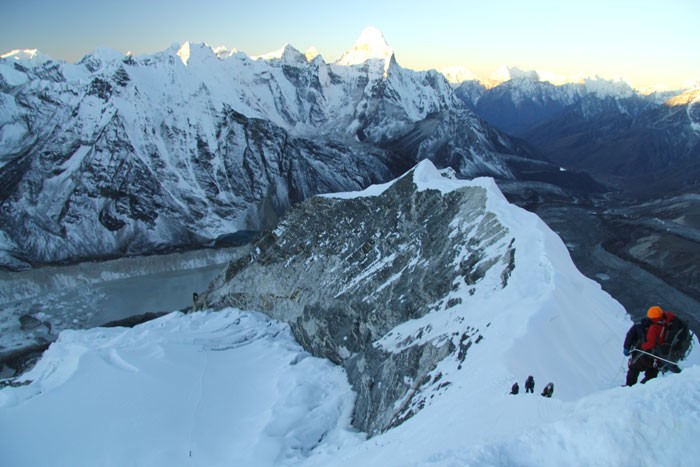
Pisang peak (6,091m/ 19983ft) is considered as one of the easiest trekking peaks in Nepal. The peak lies between two Eight-thousands Annapurna I and Mt. Manaslu above the Pisang Valley.  From the pinnacle of the peak, we witness the stupendous view of pristine scenery, tranquil landscape and tantalizing Annapurna range including the peaks: Dhaulagiri, Manaslu, Kangla Himal, etc. The government of Nepal has promulgated the expedition act that mountaineers without prior peak climbing experience can’t climb any Eight-thousands. If you are a novice mountaineer, the Pisang Peak can be your ticket to Mighty Everest.

Pisang Peak Climbing package is an adventurous trek which traces the Annapurna Circuit trail. The trek is suitable for the trekkers who are physically fit but don’t have prior experience.Unlike other peak climbing packages, Pisang peak climbing commences from Kathmandu to Syange/Jagat with a scenic drive through bumpy, and rustic motorable road. From Syange, the trek heads further tracing the Annapurna Circuit trails through the villages: Dharapani, Chame, and Pisang where we acclimatize and get training before climbing Pisang Peak. After 7-8 days of a continuous walk from Syange/Jagat, the trekkers surmount the apex of the peak on day 10. The pinnacle of the peak is the most serene place on Earth which offers the pristine scenery, panoramic landscape, serene nature, and sparkling peaks.

The journey after summiting Pisang peak heads to the highest Pass in Annapurna Circuit Trail: Thorang La Pass (5,416m/17,769ft). The pass is famous for the perfect glimpse of a pristine arid landscape, dazzling massifs, small valleys, and serene beauty.For the final third of the trek, the trail traces the downhill trail route to Muktinath, a sacred Hindus-Buddhist temple with a holy pond and 103 water spouts. Every year, many religious pilgrims visit this temple and take bath on 103 water spouts and pond to get salvation from the sin they have had committed in life. From Muktinath, the trekkers drive downhill to Tatopani and trek to the most spectacular view-point: Poon hill. The hill-top is an exquisite spot to witness serene landscape, enticing nature, and Annapurna range.

The trail from Poon Hill traces to the city of lakes and tourist hub Pokhara, and eventually to Kathmandu for final departure flight.Pisang Peak climbing is the easiest peak climbing package MMT offers to the clients. The peak climbing is an adventurous activity that needs advance physical stamina, proper gears, and favorable climate. We are devoted to making the trek 100% safer and successful. Remember us for more detail information about the trail, proper gears, itinerary, acclimatization, and Prior training. Our experts are 24*7 available for you. Thank you!

Pisang Peak Climbing – Trip Highlights

  • 21-Day Expedition: Combines the iconic Annapurna Circuit Trek with the thrilling ascent of Pisang Peak (6,091m / 19,980 ft).

  • Scenic Himalayan Views: Panoramic vistas of Annapurna, Gangapurna, Nilgiri, and Pisang Peak throughout the trek.

  • Cultural Immersion: Trek through traditional Tamang and Gurung villages including Dharapani, Chame, Pisang, Manang, Ghandruk, and Tadapani.

  • High-Altitude Climbing: Summit Pisang Peak via Base Camp and High Camp, guided by professional climbing instructors.

  • Acclimatization Days: Rest and explore Manang Valley and Pisang to safely adjust to high altitudes.

  • Iconic Pass & Pilgrimage: Cross Thorong La Pass (5,416m) and visit the sacred Muktinath Temple.

  • Poon Hill Hike: Optional trek to Poon Hill (3,210m) for sunrise views over the Annapurna and Dhaulagiri ranges.

  • Comfortable Lodging & Logistics: Stay in teahouses and lodges, with all permits, guides, and transportation organized.

  • Adventure for All Levels: Suitable for experienced trekkers and first-time Himalayan peak climbers seeking a memorable adventure.

  • Flexible Season: Best undertaken in Spring (March–May) and Autumn (September–November) for clear skies and optimal trekking conditions.

Pisang Peak Climbing Cost 2026

The Pisang Peak Climbing 21-day expedition cost in Nepal offers excellent value for international trekkers seeking a complete Annapurna Circuit Trek and high-altitude summit adventure. The price typically includes all trekking permits, Pisang Peak climbing permits, professional guides, porters, accommodation in teahouses and lodges, meals during the trek, and organized transportation. Costs may vary depending on season, group size, and additional services such as private transfers or personal climbing equipment. Booking early for the Spring (March–May) and Autumn (September–November) 2026 season ensures availability and the best rates for this unforgettable Himalayan peak climbing experience.

Pisang Peak Climbing Difficulty

The Pisang Peak Climbing in Nepal is considered a moderate to challenging trekking peak, suitable for adventurous trekkers with basic mountaineering experience. While the approach follows the scenic Annapurna Circuit Trek, the climb itself involves high-altitude snow slopes, steep ridges, and glacier sections, requiring proper acclimatization, fitness, and use of climbing gear such as crampons and ice axes. This expedition is ideal for international climbers and Himalayan trekking enthusiasts looking for a safe yet rewarding high-altitude peak climbing experience in the Annapurna region, offering breathtaking views of Annapurna, Pisang Peak, and surrounding Himalayan ranges.

How challenging is Pisang peak climbing?

Pisang Peak climbing is a moderate to challenging Himalayan expedition that requires trekkers to be physically fit and prepared for high-altitude conditions. The ascent involves steep snow slopes, rocky ridges, and glacier sections, making proper acclimatization, trekking experience, and basic mountaineering skills essential for a safe and successful summit. Despite the challenges, climbers are rewarded with breathtaking panoramic views of Annapurna, Pisang Peak, and surrounding Himalayan peaks, making it a memorable and achievable high-altitude adventure in Nepal.

Pisang Peak Climbing Itinerary

  • Day 01 Arrive Kathmandu (1,300m/4,264 ft)
  • Day 02 Kathmandu valley sightseeing & trek preparation (1,300m/4,264 ft)
  • Day 03 Drive Kathmandu to Syange/ Jagat (1100m/3608ft)8-10 hrs
  • Day 04 Trek Jagat to Dharapani (1,960m/6,430ft)5-6 hrs
  • Day 05 Dharapani to Chame (2,710m/8,891ft)5-6 hrs
  • Day 06 Chame- Pisang (3,300m/10824ft)5-6 hrs
  • Day 07 Day for relax and Acclimatize (3300m/12,136ft)
  • Day 08 Pisang - Pisang Peak Base Camp (4,380m/14,370ft) 4-5 hrs
  • Day 09 Pisang Peak Base Camp - Pisang Peak High Camp (5,400m/17,712ft) 3 - 4 hrs trek
  • Day 10 High camp - Summit (6091 m) - Base Camp (6,091m/19,980ft) 8-9 hrs. Trek
  • Day 11 Pisang Peak Base Camp - Manang Valley (3,450m/11,316ft) 5-6 hrs trek
  • Day 12 Manang: Rest Day 
  • Day 13 Manang-Yak Kharka (4,110m/13,484ft) 3-4 hrs
  • Day 14 Yak Kharka - Thorong Phedi (4,600m/15,092ft)3-4 hrs
  • Day 15 Thorong Phedi – Thorong La (5416 m) - Muktinath (3,800/12,467ft) 9-10 hrs
  • Day 16 Drive Muktinath- Tatopani (1,200m/3937ft) 6-8 hrs 850m/9,350ft]: 7-8 hrs
  • Day 17 Poon hill hike (3210m/10528ft), and trek to Tadapani (2,520m/8,268ft), 6-7 hrs walk (1,950m/6,398ft), 3-4 hrs walk
  • Day 18 Trek Ghandruk to Pothana(1910m/6266ft), 5-6 hrs wail
  • Day 19 Short trek to Phedi (910m/ 2986ft), 3-4 hrs and 30 min drive to Pokhara
  • Day 20 Drive back to Kathmandu by tourist bus, 5-6 hrs drive and free afternoon
  • Day 21 Final Departure

Transfer to international airport and fly to onward destination.

                                              "OR"

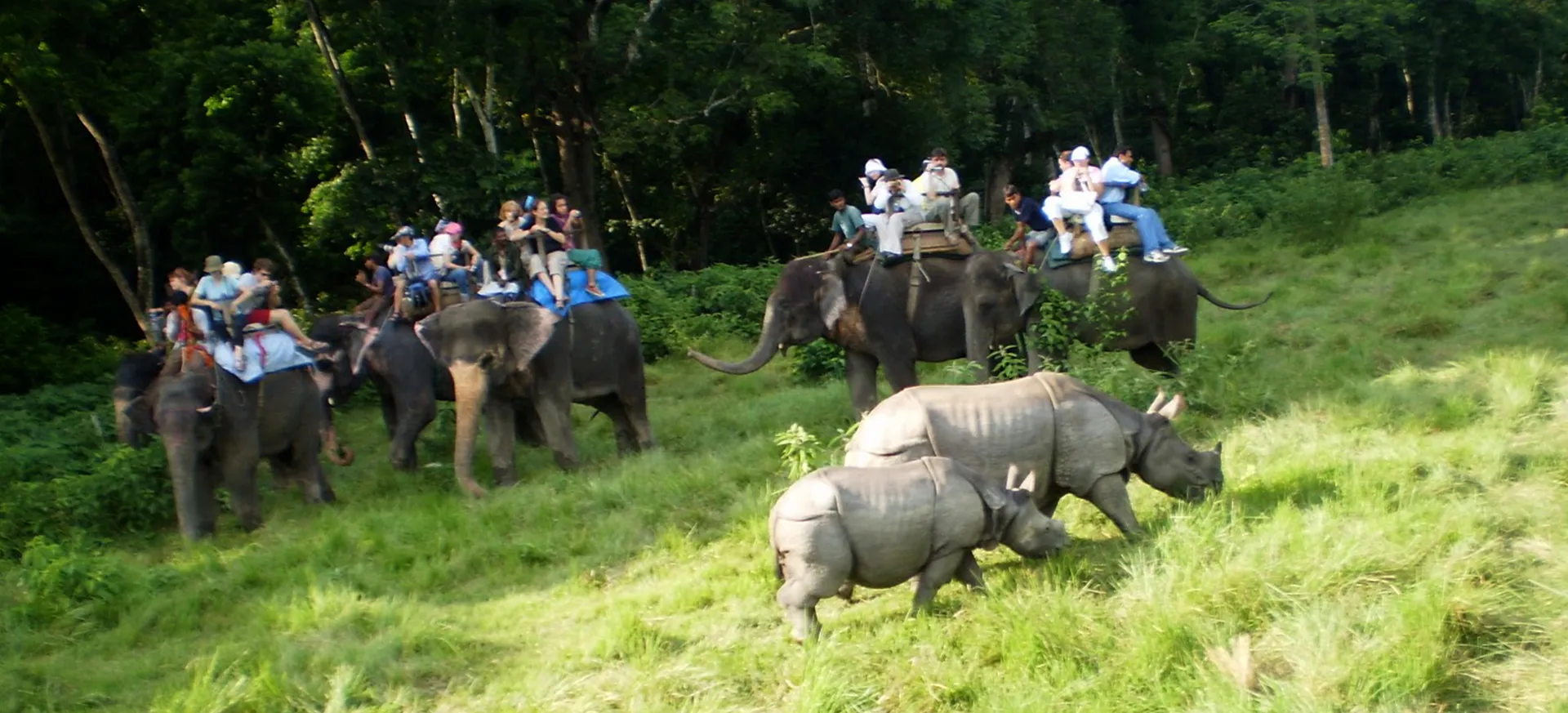
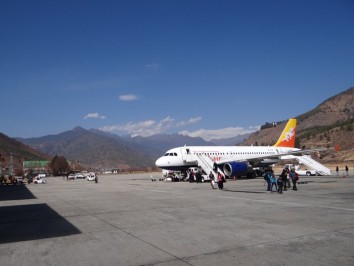
For more fantastic ideal trip to extend your valued holiday in Nepal, from riding elephant in Chitwan to tours in Tibet and Bhutan, please browse our trip extension.

Why select Mountain Mart Treks to be your travel partner?

  • More than 20 years of route experiences
  • Guests first
  • Individual trip design and fixed departures
  • Comfort & safety
  • Stress Free Travel
  • Fixed prices without hidden costs
  • Extensive range of travel service
  • World class Servicesl service
  • Easy and flexible payment modes  
  • Financial protection
  • Staff care
  • Responsible tourism      
  • Walking and helping

Pisang Peak Climbing Itinerary

Expand/Collapse All
Day 1 : Arrive Kathmandu (1,300m / 4,264 ft)

Arrive at Tribhuvan International Airport, Kathmandu. Transfer to your hotel, meet your guide, and attend a pre-trek briefing. Overnight in Kathmandu.

Food
Dinner
Accomodation
Hotel
Elevation
1300
Day 2 : Kathmandu Valley Sightseeing & Trek Preparation

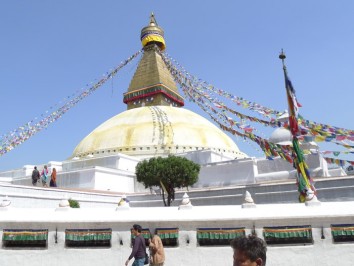
Explore Kathmandu’s UNESCO World Heritage Sites, including Pashupatinath, Boudhanath Stupa, and Patan Durbar Square. Collect trekking permits and review the Pisang Peak climbing plan. Overnight in Kathmandu.

Food
Breakfast
Accomodation
Hotel
Elevation
1300
Day 3 : Drive Kathmandu to Syange/Jagat (1,100m / 3,608 ft)

Begin your journey with a scenic 8–10 hour drive through the Trishuli River valley, crossing terraced farmland and small villages. Overnight in Jagat/Syange.

Food
Breakfast, Lunch & Dinner
Accomodation
Lodge
Elevation
1100
Day 4 : Trek Jagat to Dharapani (1,960m / 6,430 ft, 5–6 hrs)

Trek through lush forests, suspension bridges, and local villages. Experience the Tamang culture and Himalayan views. Overnight in Dharapani.

Food
Breakfast, Lunch & Dinner
Accomodation
Lodge
Elevation
1960
Day 5 : Dharapani to Chame (2,710m / 8,891 ft, 5–6 hrs)

Ascend gradually along the Marshyangdi River valley to Chame, the district headquarters of Manang, passing traditional settlements and pine forests. Overnight in Chame.

Food
Breakfast, Lunch & Dinner
Accomodation
Lodge
Elevation
2710
Day 6 : Chame to Pisang (3,300m / 10,824 ft, 5–6 hrs)

Trek past Bhraka and Upper Pisang villages, offering spectacular views of Pisang Peak and Annapurna II. Arrival at Pisang, a key acclimatization stop. Overnight in Pisang.

Food
Breakfast, Lunch & Dinner
Accomodation
Lodge
Elevation
3300
Day 7 : Rest & Acclimatization Day at Pisang (3,300m / 12,136 ft)

Take a rest day for high-altitude acclimatization. Optional short hikes around Pisang for panoramic views of Annapurna and Pisang Peak. Overnight in Pisang.

Food
Breakfast, Lunch & Dinner
Accomodation
Lodge
Elevation
3300
Day 8 : Pisang to Pisang Peak Base Camp (4,380m / 14,370 ft, 4–5 hrs)

Trek through rocky trails and alpine terrain to reach Pisang Peak Base Camp. Prepare for summit climbing and overnight at Base Camp.

Food
Breakfast, Lunch & Dinner
Accomodation
Lodge
Elevation
4380
Day 9 : Pisang Peak Base Camp to High Camp (5,400m / 17,712 ft, 3–4 hrs)

Ascend gradually to High Camp. Acclimatization continues as you adjust to high-altitude conditions before summit day. Overnight at High Camp.

Food
Breakfast, Lunch & Dinner
Accomodation
Lodge
Elevation
5400
Day 10 : Summit Day & Return to Base Camp (6,091m / 19,980 ft, 8–9 hrs)

Summit Pisang Peak early morning. Enjoy breathtaking Himalayan panoramas before descending back to Base Camp for rest and celebration.

Food
Breakfast, Lunch & Dinner
Accomodation
Lodge
Elevation
4380
Day 11 : Base Camp to Manang Valley (3,450m / 11,316 ft, 5–6 hrs)

Descend to Manang Valley through glacial moraines and alpine landscapes. Overnight in Manang, a hub for trekker amenities and acclimatization.

Food
Breakfast, Lunch & Dinner
Accomodation
Lodge
Elevation
3450
Day 12 : Manang Rest Day (3,450m / 11,316 ft)

Rest and explore Manang village. Optional hikes to Gangapurna Lake or surrounding ridges for further acclimatization.

Food
Breakfast, Lunch & Dinner
Accomodation
Lodge
Elevation
3450
Day 13 : Manang to Yak Kharka (4,110m / 13,484 ft, 3–4 hrs)

Trek past traditional shepherd settlements. Stay overnight at Yak Kharka, preparing for Thorong La ascent.

Food
Breakfast, Lunch & Dinner
Accomodation
Lodge
Elevation
4110
Day 14 : Yak Kharka to Thorong Phedi (4,600m / 15,092 ft, 3–4 hrs)

Gradual ascent along high alpine terrain. Overnight at Thorong Phedi, the last stop before Thorong La Pass.

Food
Breakfast, Lunch & Dinner
Accomodation
Lodge
Elevation
4600
Day 15 : Thorong Phedi to Thorong La Pass (5,416m) & Muktinath (3,800m / 12,467 ft, 9–10 hrs)

Cross the iconic Thorong La Pass, one of the highest trekking passes in the world. Descend to Muktinath, a sacred pilgrimage site for Hindus and Buddhists. Overnight in Muktinath.

Food
Breakfast, Lunch & Dinner
Accomodation
Lodge
Elevation
3800
Day 16 : Drive Muktinath to Tatopani (1,200m / 3,937 ft, 6–8 hrs)

Scenic descent via jeep, passing waterfalls, terraced farmland, and hot springs. Overnight in Tatopani.

Food
Breakfast, Lunch & Dinner
Accomodation
Lodge
Elevation
850
Day 17 : Poon Hill Hike (3,210m / 10,528 ft) & Trek to Tadapani (2,520m / 8,268 ft, 6–7 hrs)

Optional sunrise hike to Poon Hill for panoramic views of Annapurna and Dhaulagiri ranges, then descend to Tadapani.

Food
Breakfast, Lunch & Dinner
Accomodation
Lodge
Elevation
2520
Day 18 : Trek Ghandruk to Pothana (1,910m / 6,266 ft, 5–6 hrs)

Trek through rhododendron forests and traditional Gurung villages, experiencing local culture and scenic landscapes. Overnight in Pothana.

Food
Breakfast, Lunch & Dinner
Accomodation
Lodge
Elevation
1910
Day 19 : Short Trek to Phedi (910m / 2,986 ft, 3–4 hrs) & Drive to Pokhara

Descend to Phedi and drive 30 minutes to Pokhara, enjoying lakeside views and relaxation after the trek. Overnight in Pokhara.

Food
Breakfast, Lunch & Dinner
Accomodation
Hotel
Elevation
820
Day 20 : Drive Pokhara to Kathmandu (5–6 hrs) & Free Afternoon

Return by tourist bus to Kathmandu. Free afternoon for shopping, sightseeing, or rest. Overnight in Kathmandu.

Food
Breakfast, Lunch & Dinner
Accomodation
Hotel
Elevation
1300
Day 21 : Final Departure

Transfer to Tribhuvan International Airport for your onward flight. Conclude your unforgettable Pisang Peak Climbing and Annapurna Circuit Trek experience.                                                  "OR"

For more fantastic ideal trip to extend your valued holiday in Nepal, from riding elephant in Chitwan to tours in Tibet and Bhutan, please browse our trip extension.

Food
Breakfast

What Is Included ?

  • All airport/hotel transfers
  • 3 star Hotel in Kathmandu for 3 nights on BB plan
  • 2 star Hotel in Pokhara for one night on BB plan
  • Full day city tour
  • All transport from/to trek starting and ending point to Pokhara
  • Pokhara/Kathmandu by tourist bus  
  • Handful choice of meals (Breakfast/Lunch/Dinner) during the trek
  • All Mt. accommodation 
  • An experienced English speaking trekking guide (Govt. registered), experienced climbing Sherpa guide (Govt. registered), cook, assistant climbing leader (4 trekkers: 1 assistant guide) and Sherpa porters to carry luggage (2 trekkers:1 porter), including their salary, insurance, equipment,food and lodging.
  • All necessary paper works; trekking permits and Mera Peak climbing permit
  •  High quality North Face or Mountain Hardware or similar sleeping tent, kitchen, dining, toilet tents, mattresses, and kitchen equipment
  • Exclusive Medical Kit Bag
  • All government and local taxes 
  •  Personal Climbing Gears:Ice axe, Crampons, Harness, Tape Slings (2), Screw gate Karabiners (2 lock, 2 unlock), Descender/Abseil Device, Plastic Mountaineering Boots, Ascender, Helmet, etc 
  •  Group Climbing Gears; Snow bar, Rope, Ice Hammer, Ice Screw

What Is Excluded?

  • Lunch & dinner in Kathmandu 
  • City monument fees 
  • Bottle drinks
  • Boiled water and hot shower 
  • Travel Insurance & evacuation 
  • Tipping 

Altitude Graph

FAQs

What is the height of Pisang Peak?

Pisang Peak is a trekking peak in the Annapurna region of Nepal, standing at 6,091 meters (19,980 ft), offering climbers a challenging yet accessible Himalayan summit experience.

How difficult is Pisang Peak climbing?

Pisang Peak is considered a moderate to challenging Himalayan peak, suitable for trekkers with basic mountaineering skills and good high-altitude trekking fitness.

What is the best season to climb Pisang Peak?

The best seasons for Pisang Peak climbing are Spring (March–May) and Autumn (September–November), when the weather is stable and skies are clear for breathtaking Himalayan views.

How many days does the Pisang Peak climbing trek take?

The typical itinerary is 21 days, combining the Annapurna Circuit Trek with the Pisang Peak summit attempt.

Do I need prior mountaineering experience to climb Pisang Peak?

Basic trekking experience and high-altitude trekking fitness are sufficient, but climbers should be prepared for steep snow slopes and glacier sections.

What permits are required for Pisang Peak climbing?

Climbers need the Annapurna Conservation Area Permit (ACAP), Trekkers’ Information Management System (TIMS) card, and Pisang Peak climbing permit issued by the Nepal Mountaineering Association (NMA).

Is Pisang Peak suitable for first-time peak climbers?

Yes, Pisang Peak is a trekking peak designed for adventurous first-time climbers, though some mountaineering guidance is recommended for safety.

What is the altitude profile of Pisang Peak?

The trek starts from Kathmandu (1,300m), gradually ascends through villages like Dharapani, Chame, Pisang, and Manang, reaches High Camp (5,400m), and summits at 6,091m before descending.

What kind of accommodation is provided during the trek?

Trekkers stay in teahouses and lodges along the Annapurna Circuit, with basic rooms, meals, and shared facilities, while camps are used near Pisang Peak Base Camp and High Camp.

Do I need a guide for Pisang Peak climbing?

Yes, it is highly recommended to hire a licensed Nepali climbing guide for Pisang Peak, ensuring safety, route guidance, and summit success.

What kind of gear is required for Pisang Peak?

Essential gear includes trekking boots, crampons, ice axe, harness, helmet, warm clothing, trekking poles, and high-altitude sleeping gear for summit safety.

How should I prepare physically for Pisang Peak?

Focus on cardiovascular training, strength training, and long hikes to build endurance. High-altitude acclimatization and regular trekking before the climb are highly recommended.

Is there a risk of altitude sickness on Pisang Peak?

Yes, altitude sickness is possible above 3,500 meters. The itinerary includes rest days in Pisang and Manang and follows gradual ascent principles to minimize risks.

How long does it take to summit Pisang Peak from Base Camp?

The ascent from Base Camp to High Camp takes 3–4 hours, and the summit day generally requires 8–9 hours round trip.

Can I combine Pisang Peak climbing with other Annapurna treks?

Yes, climbers often combine it with Annapurna Circuit Trek, Thorong La Pass, Muktinath visit, and Poon Hill hike, creating a comprehensive high-altitude adventure.

What is the cost of Pisang Peak climbing?

The 21-day Pisang Peak Climbing cost usually includes permits, guides, porters, accommodation, meals during the trek, and transportation, varying by season and group size.

Additional Information

During the Pisang Peak Climbing 21-day expedition, all aspects of your Himalayan adventure in Nepal are carefully arranged to ensure comfort, safety, and a smooth trekking experience.


Meals During Pisang Peak Climbing

  • Breakfast, lunch, and dinner are provided at teahouses, lodges, and base/high camps along the route.

  • Cuisine includes Nepali, Tibetan, and continental meals, with options for vegetarian and special dietary requirements.

  • Fresh hot beverages like tea and coffee are available daily to keep trekkers energized during high-altitude trekking and climbing.


Accommodation During Pisang Peak Climbing

  • Overnight stays are in clean, cozy teahouses and lodges throughout the Annapurna Circuit and Pisang Peak trail.

  • Base Camp and High Camp offer simple mountain huts or tents equipped with sleeping arrangements suitable for climbers.

  • Comfortable accommodation in Kathmandu and Pokhara ensures rest before and after the high-altitude climb.


Logistics & Support  During Pisang Peak Climbing

  • All trekking permits and Pisang Peak climbing permits are arranged in advance by professional guides.

  • Experienced climbing guides, porters, and support staff carry heavy loads and provide assistance during the summit attempt.

  • Transportation includes private tourist vehicles or jeeps for airport transfers and long drives along the Annapurna Circuit.

  • Safety and emergency procedures are in place, including high-altitude first aid kits and communication support.

Please, read MMT’s ‘Terms and Conditions’ carefully prior to trip booking

Trekking or Mountaineering in the higher elevation of the Himalayas is one of the most adventurous endeavors which inherit the risk of AMS or injuries or even death. MMT is always concern regarding the comfort, safety and health of trekkers while meandering in higher altitude. We contribute great effort to reduce or control the risk and hazard; but sometime nature’s curse or fluctuate climate in Himalayas is beyond our control and we are not responsible for it.

If you are a keen adventure lover and are ready to follow the hereby mentioned Terms and Conditions then you are heartily welcome at MMT office, Kaldhara-marg, Paknajol, Thamel, Kathmandu, Nepal.

BOOKING TERMS AND CONDITIONS:

1. All the bookings of the packages are dealt with Mountain Mart Treks and Expedition which is an authorized adventure company based in capital of Nepal: Kathmandu.

2. The term ‘Trip’ formally refers to walking, sightseeing, treks, tours, mountaineering, expeditions or holiday in the mystical land, Nepal.

3. MMT faithfully offers all the amenities in the estimated price of the package.

4. Please go through itinerary page or trek inclusion page for the detail information of the cost transparency. The trek cost may vary from one package to another and some packages don’t include the cost of the following:

  • Personal travel insurance, medical assistance and helicopter evacuation.
  • Visa, Passport and transit point expenses.
  •  Extra meals, entertainment activities, accommodation, transportation costs are not included in the itinerary.
  • Laundry, postal, medicine, clothing, gears and personal expenses.
  • Tips and excess baggage charge.

5. The travelers must pay 20% upfront out of the total trip cost for the trip conformation.

6. You can pay the booking conformation amount either by credit card and wire transfer, both payment option subject to charge additional bank service fees upto 4% on top of the sum.

7. The trip will be booked once the payment is made by the travelers. We will send you the conformation letter through online and assure to provide all the service detail as mentioned in the itinerary.

8. The final payment must be submitted at the MMT office before the tip departure. Otherwise, you will not be legitimate for trip and no final documentation will be disclosed before the payment.

09. Regarding trip cancellation, we entertain free trip cancellation service upon submission of trustable reason before 90 days of the departure date upon adequate evidence and written reasons.    

10. If you cancel the trip 60 days prior to the departure date then 75% cancellation fee will be levied from the booking amount.

11. 85% cancellation fee will be levied if you cancel the trip before 30 days of the trip departure date.

12. The company will be unable to refund the earlier paid (20%) booking payment if you cancel the trek prior to 15 days of the departure date.

13. There will be no payment refund if you voluntarily leave or cancel the trip once it is started; but if you are forced to leave due to unforeseen immediate circumstances then payment can be refunded after proper discretion.

14. We guarantee your safe and successful trip; however, the company reserves the authority to cancel the trip if there will be no minimum number (2) of travelers. In this condition, company will postpone or manage alternative trip.

15. If the company cancels the trip due to any unforeseen circumstances which are beyond our control (i.e. natural disaster, flight cancellation, strikes, wars, riots, quarantine, government intervention policy, weather condition), we will refund after deduction of minimum operating cost involved.

16. If you want to change your booking date, the booking amendment request must be made 90 days prior to the original trip departure.

17. If trekkers demand to change the departure date prior to 60 days of the final departure, US $ 50.00 per person will be charged as cancelation fee. The charge of the trip may also be increased if the market price soars higher during the postponed trip date.

18. The policy of our company is: Trekkers must have insurance policy contract if they want to trek with MMT. The policy must feature: medical coverage, air ambulance, helicopter evacuation facility, as well as flight cancellation insurance if possible.

19. Mountain Mart Treks and Expedition organizes various adventurous trips which have high risk factor and demand more physical stamina plus training. If you can’t accomplish the trek due to your physical inability or sickness, we are not obliged to refund the payment.

20. There may appear hindrance, obstacles or circumstances like: political riot, insurgency, accident, climate change, or natural disasters during the course of trip. Make sure you are ready to deal with all these problems.

21. The trip route, accommodation, modes of transport may be changed without prior notice due to the unforeseen circumstances. It is for your convenience and safety, so hope you will display flexible human nature in this context.

22. While changing the route, transportation, accommodation, or itinerary due to above circumstances, we may charge additional cost or lessen the cost as per the total expenses of the entire trek.

23. MMT holds all the authority to decline, accept, detain or retain any members of the trip if we find anyone suspicious or indiscipline. If you want to trek with MMT, you must accept our leadership during the whole trip.

24. MMT has contracted with network of companies, government of Nepal, individuals to assist the travelers during the trip. These third parties are qualified to perform their duties as contracted. We are not liable in case of loss, damage, irregularities if the third parties don’t perform their duties properly.

25. MMT is not responsible for the violation of any law or rules committed by the travelers in any country.

26. This agreement is governed by the laws of the Government of Nepal. No any individual: employees, representatives, guides of the company can alter the terms and conditions.

27. These terms and conditions may only be waived in special circumstances with written application to the director. Only the director of the company has all the right to amend them.

28. Travelers must be physically and mentally fit for the trekking. It is compulsory to bring health certificates along with proper legal documents for trip approval, if asked.

29. If the flight is cancelled or get delayed due to fluctuate climate or any other causes, MMT is not responsible for the extra expenses or compensation. We can manage alternative arrangement on special request which may demand other extra cost.

30. We have displayed the authentic, genuine and accurate information on our official website and brochure. If any mistake, incomplete or wrong information is seen, please inform us on time.

31. Please read all the above mentioned ‘Terms and Conditions’ before making the bookings. You must abide these conditions if you fancy to trek in the Himalayas with Mountain Mart Treks (MMT)

Download Nepal VISA form (.pdf)

Foreigners other than Indian citizen, who intend to visit Nepal must hold a valid passport prior to applying for a Nepal visa. The passport must have six months validity from the date of arrival. Foreigners can obtain a Nepalese visa upon arrival at Kathmandu airport, or at a border immigration office. One recent copy of a passport size color photo is required to apply for Tourist Visa to Nepal. Mountain Mart Trek has listed Nepal visa information tips for travelers to Nepal.

Tourist visas shall be granted for a maximum period of 150 days in a visa year (January to December)

A foreigner who has departed before the expiry of the period specified in the visa issued in a visa year shall not be allowed to use the visa by adding the remaining period to another visa year. If any foreigner who has entered Nepal towards the end of a visa year desires to extend his/her stay into the new visa year, he/she may do so by purchasing another visa for the New Year. Provided, however, that the computation of the fees for such period shall be made on the basis of the total period of the stay.

An application for a Tourist Visa must be submitted in the format referred to in Appendix 1.

A Nepali visa issued abroad is valid for entry for three to six months from the date of issue. True -

Tourist Visa Exceptions

Citizens of the following countries should be issue visa in their own country to Nepal embassy and consulate.

Afghanistan, Cameroon, Ethiopia, Ghana, Iraq, Liberia, Nigeria, Palestine, Somalia, Zimbabwe.

Entry

No foreigners except Indians are entitled to Nepal without a valid visa.

Visas can be obtained from the following immigration offices in Nepal:

  • Tribhuvan International Airport, Kathmandu
  • Kakarvitta, Jhapa (Eastern Nepal)
  • Birganj, Parsa (Central Nepal)
  • Kodari, Sindhupalchowk (Northern Border)
  • Belhiya, Bhairahawa (Rupandehi, Western Nepal)
  • Jamuna, Nepalgunj (Banke, Mid Western Nepal)
  • Mohana, Dhangadhi (Kailali, Far Western Nepal)
  • Gaddachauki, Mahendranagar (Kanchanpur, Far Western Nepal)

Visa Application Forms

A copy of the Visa Form is available for use at the end of this document that avoids you long queue to pick up the Nepal visa form at the international airport.

Visa Fees

The fees payable only in USD dollars for obtaining a visa on arrival at any border are as follows:

  1. A Tourist Visa with Multiple Entry for 15 days: US$ 25 payable only in USD dollars.
  2. A Tourist Visa with Multiple Entry for 30 days: US$ 40 payable only in USD dollars
  3. A Tourist Visa with Multiple Entry for 90 days: US$ 100 payable only in USD dollars
  4. Regardless of the provisions stated in points E1 and E2 above: Tourists with passports from South Asian
    Association for Regional Cooperation (SAARC) countries (Bangladesh, Bhutan, India, Maldives, Pakistan
    and Sri Lanka) are not required to pay visa fees for a 30 day visa.
  5. Indian citizens do not require a visa to enter into Nepal.

Visa Extension Fees

The fees payable (only in local Nepali currency) to extend the duration of your stay, or to renew a visa are:

  1. US$ 2 equivalent, in Nepali currency, per day of the extension period.
  2. An additional US$ 20 or equivalent, in Nepali currency, is payable on a single-entry visa in F1 if a MultipleEntry facility is requested for the extended period.
  3. If foreign visitors failed to renew their visa and need to do so at an exit point, they have to pay an additional equivalent to US$ 3, in Nepalese currency, on the regular visa extension fee.
  4. Foreign visitors who have overstayed their visa period of 150 days without extension are required to pay an additional visa fee as per provision in F3, plus a fine as specified in Clause 10 sun-clause 4 of the immigration Act 2049.
  5. Regardless of the provision stated in F1: 15 days is counted as a minimum extension period and the visa fee is charged accordingly. For an extension period of more than 15 days, the visa fee is charged as per the provision of F1.
  6. A tourist visa can be extended for up to a maximum period of 150 days in a single visa year (Jan. – Dec.).
    It is cheaper to purchase a 30 day visa at the point of entry and then to extend it, for 15 days or more at the Central Immigration Office in Kathmandu or Pokhara unless you are staying for 90 days or more

    For an extension to a visa you will need two additional passport photographs for each extension.

Transit Visa

A transit visa for one day can be obtained from Nepal's immigration offices at an entry point upon the production of a departure flight ticket via Tribhuvan International Airport in Kathmandu. The fee is US$ 5 or equivalent convertible currency. A transit visa may not be extended.

A Nepali Visa can be obtained from Nepal Embassy / Consulate Offices in your country, or upon arrival at Kathmandu airport. It is also possible to obtain the visa from other border points of entry. You'll need 1 passport photo each time.

For foreign investors, a business visa with a multiple entry facility for a period of one year or five years can be obtained from the Department of Immigration on the recommendation of the Department of Industry and Commerce by paying US$ 100 and US$ 250 or equivalent convertible foreign or Nepali currency.

Note: While we try to make the information contained herein as accurate as possible, we accept no responsibility for any loss, disruption or inconvenience sustained by anyone using this information.

Important Information to Visitors

Foreign visitors are requested to keep a note of the dates on their Nepalese visa and their passport number to avoid possible problems. Visa extensions need to be applied for, within the valid period of the Nepalese visa.

You are requested to ensure that you get the arrival/departure stamps on your passport at the entry /exit points to avoid possible legal complications.

Living in Nepal without a passport or a valid visa is a punishable offence.

Deviation from the prescribed trekking routes mentioned on your trekking permit will be treated as a violation of the law.

You are advised to be aware of brokers/cheaters and counterfeit documents or visa/trekking permits to avoid legal complications.

Change of purpose of your stay without permission is not allowed and employment or voluntary services while on a tourist visa is strictly prohibited. It will be a punishable offence.

Be certain to register at the police and Immigration check points along any trail. It would be wise to register your trekking destination and schedule at your Embassy or Consulate.

If you encounter problems along the trails, immediately inform the nearest police or Immigration post officials.

You are requested to change money with recognized dealers and do not forget to take and keep formal receipts.

You are requested to inform the officials at an Immigration Office or Police Station of any changes in the address previously given in your visa application form or disembarkation card, and within seven days.

If, as a tourist, your stay is more than 120 days in one visa year and you wish to visit additional places for longer than 24 hours, you must register at the local police office of such places, your name, passport number and address.

You are advised to be mindful to contact the Department of Immigration to request a visa transfer in the case of getting a new passport or travel document from your embassy, and within seven days.

Passport and trekking permits should be kept by each trekker while trekking.

Filming in restricted or notified areas without permission is strictly prohibited.

Please do not take out the visa stickers from your passport and do not try to change records printed in your passport.

We request your co-operation in observing the following guidelines during your stay in Nepal. Respect local traditions, customs, values and sentiments, help to protect local culture and maintain local pride.

  1. Respect privacy while taking photographs.
  2. Respect holy places.
  3. Refrain from giving money to children as it will encourage begging.
  4. Respecting local etiquette will earn you respect.
    Let the Himalayas change you – do not change them: so remember while you are on trekking:
  5. Leave campsites cleaner than you have found them.
  6. Do not light open fires.
  7. Burn dry papers and packets in a safe place.
  8. Keep local water clean and avoid using pollutants.
  9. Plants should be left to flourish in their natural environment.
  10. Help your guides and porters to follow conservation measures.
  11. Protect the natural environment.

Information for Indian Citizens

Indian citizens are permitted to travel in Nepal provided they have any one of the following documents:

Passport; Driving license with photograph; Identity card with photograph issued by a governmental body; Ration card with photograph; Voter identity card with photograph; Registration certificate issued by the Indian embassy to Indian citizens residing in Nepal; Ad hoc/temporary identity cards issued by the Indian embassy to the Indian citizen in the event of exigency; Document with photograph and setting out identity, issued by the sub-divisional magistrate or authority there above.

General Information

Department of Immigration
Kalikasthan, Dillibazar, Kathmandu.
Tel : 977 - 01 - 4433934 / 4429660 / 4438862 / 4438868
Fax : 977 - 01 - 4433935
Email : mail@nepalimmigration.gov.np
Web : http://nepalimmigration.gov.np/

Office Hours

Sunday to Thursday 10:30 a.m. - 17:00 p.m. in Summer
  10:30 a.m. - 16:00 p.m. in Winter (Nov. to Jan.)
Friday 10:30 a.m. -15:00 p.m.

Visa Application Hours

Sunday to Thursday 10:30 a.m. - 15:00 p.m.
Friday 10:30 a.m. - 13:00 p.m.

Note: All of the information above is based on information from the Department of Immigration of Nepal’s office and may be found on their website.

Trekking cards and Permits for Conservation Areas, National Parks and Restricted Areas

All trekkers are required to carry a Trekkers' Information Management System card (TIMS card). It is available from the Tourist Services Centre in Kathmandu: Sun – Fri 10:00 – 13:00 and 14:00 – 17:00. It is free, but requires two passport photographs. (Trekking agencies provide the cards for their clients.) Show it at check points on trekking routes.

Trekking Permits are required for all treks that pass through Conservation Areas or National Parks.

Conservation Area permits can be purchased at the Tourist Services Centre for Rs 2000 plus two photographs.

National Park entry tickets cost Rs 3000 and require no photograph. Purchase at the Department of National Parks and Wildlife Conservation office Sun – Fri 09:00 – 14:00 only (next to the Tourist Services office).

Restricted Area Permits are required mainly for camping style trekking in remote areas near the Tibetan border – for which a guide is strongly recommended. They can only be purchased for two or more trekkers. The permits are issued by the Central Immigration Office, require two working days, your original passports (not facsimiles) and two photographs. Costs range from US$10/week to US$500/10 days plus substantial additional amounts for each additional day. These will be procured by your chosen trekking agency. Offices are open daily, but with restricted hours on Saturdays.

Tourist Visa

The foreign tourist visiting Nepal shall be granted the tourist visa.

The tourist visa shall be granted for a period in maximum of 150 days in a visa year (Visa years means January to December).

A tourist who has departed before the expiry of the period specified in the visa issued in a visa year shall not be allowed to use the visa by adding the remaining period to another visa year.

If any foreigner who has entered into Nepal towards the end of a visa year desires to spend even the period during which he may stay in Nepal with the tourist visa of the other visa year, he may use such facility.

Provided, however, that the computation of the fees for such period shall be made on the basis of the total period of his stay.

Note: Above information is based on Department of Immigration of Nepal office.

Proper preparation is essential for a safe and successful Pisang Peak Climbing expedition. Here’s a complete list of recommended gear for trekkers and high-altitude climbers in the Annapurna region of Nepal:

Personal Clothing

  • Insulated down jacket for summit and cold nights

  • Waterproof and windproof outer shell (jacket & pants)

  • Lightweight trekking jackets & fleeces for layering

  • Thermal base layers (tops and bottoms)

  • Trekking pants and shorts for lower altitude trekking

  • Warm gloves, hat, and balaclava for summit climb

  • Trekking socks (multiple pairs) and gaiters

  • Sun hat, sunglasses, and neck buff


Footwear

  • Sturdy trekking boots (broken-in, waterproof)

  • Mountaineering boots for summit (if required)

  • Camp shoes or sandals for lodge comfort

  • Crampons for snow and icy sections


Climbing & Technical Gear

  • Climbing harness and helmet

  • Ice axe for summit ascent

  • Carabiners, slings, and prusik cords

  • Trekking poles (helpful for trekking and high-altitude stability)

  • Backpack (40–50L) for daily trekking

  • Duffle bag for porter transport


Personal Items & Accessories

  • Sleeping bag rated for -15°C to -20°C

  • Headlamp with extra batteries

  • Water bottles or hydration system

  • Sunscreen and lip balm

  • Personal toiletries and quick-dry towel

  • Camera / smartphone for capturing Himalayan scenery


Health & Safety Essentials

  • First aid kit including altitude sickness medication

  • Water purification tablets or filter

  • Personal travel insurance covering trekking and peak climbing

  • Snacks and energy bars for high-altitude days


Following this Pisang Peak Climbing packing list ensures that international trekkers are fully prepared for high-altitude trekking, base camp stays, and the summit climb, maximizing safety, comfort, and the enjoyment of the breathtaking Annapurna Himalayan views.

Pisang Peak Climbing is a thrilling high-altitude trekking and mountaineering adventure in Nepal’s Annapurna region, combining the iconic Annapurna Circuit Trek with the summit of Pisang Peak (6,091m / 19,980 ft). While it is suitable for adventurous trekkers, it is still considered moderate to challenging due to steep snow slopes, glacier sections, and long summit days. Proper training and preparation are essential for a safe and successful climb, especially for international trekkers and first-time peak climbers.

Pisang Peak Climbing Difficulty Level

  • Trekking: Moderate. The approach follows the Annapurna Circuit, passing through Tamang and Gurung villages, alpine meadows, and high-altitude valleys, with daily trekking of 4–7 hours.

  • Peak Climbing: Moderate to challenging. Summit day involves steep snow slopes, icy ridges, and high-altitude exposure, requiring stamina, focus, and mental endurance.

  • Altitude: High-altitude conditions can lead to mild to moderate altitude sickness; proper acclimatization at Manang, Pisang, and Base/High Camps is essential.

  • Fitness Required: Good cardiovascular endurance, leg strength, and hiking experience are recommended; technical climbing experience is helpful but not mandatory.

Training Tips for Pisang Peak Climbing

  • Cardio Training: Engage in running, cycling, swimming, or stair climbing to build endurance for long trekking days.

  • Strength Training: Focus on legs, core, and back muscles using squats, lunges, planks, and weight training to carry trekking backpacks comfortably.

  • Hiking Practice: Take multi-day hikes with a weighted backpack to simulate real trekking conditions and improve stamina.

  • Altitude Preparation: If possible, train at higher elevations to adapt your body to lower oxygen levels.

  • Flexibility & Balance: Incorporate yoga or stretching exercises to prevent injuries on rocky or icy terrain.

  • Mental Preparation: Summit day is long and demanding (8–9 hours); patience, focus, and a positive mindset are key.

  • Gear Familiarization: Practice using crampons, ice axes, and trekking poles before the climb for smooth and safe summit efficiency.

  • Nutrition & Hydration: Maintain a balanced diet and proper hydration to meet high-altitude energy requirements.

With professional guides, structured acclimatization, and organized logistics, Pisang Peak Climbing offers a rewarding and achievable high-altitude adventure, delivering unforgettable views of Annapurna, Pisang Peak, Gangapurna, and surrounding Himalayan ranges.

Successfully summiting Pisang Peak (6,091m / 19,980 ft) requires careful attention to altitude acclimatization, gradual ascent, and safety precautions. The climb follows the Annapurna Circuit Trek, gradually increasing in elevation to help climbers adapt to high-altitude conditions.

Altitude Profile (Gradual & Safe Ascent)

  • Kathmandu (1,300m / 4,264 ft) – Starting point for the trek.

  • Jagat/Syange (1,100m / 3,608 ft) – Drive and trek entry point.

  • Dharapani (1,960m / 6,430 ft) – First trekking night.

  • Chame (2,710m / 8,891 ft) – Moderate altitude gain with scenic valley views.

  • Pisang (3,300m / 10,824 ft) – Acclimatization stop with optional short hikes.

  • Pisang Peak Base Camp (4,380m / 14,370 ft) – Start of summit climb preparations.

  • High Camp (5,400m / 17,712 ft) – Pre-summit camp for final acclimatization.

  • Pisang Peak Summit (6,091m / 19,980 ft) – The ultimate high-altitude achievement.

Acclimatization Plan for Pisang Peak Climbing

  • Rest Days: Scheduled in Pisang and Manang to allow the body to adjust to thinner air.

  • Gradual Ascent: Daily trekking distances and elevation gains are planned to minimize altitude sickness risk.

  • Hydration & Nutrition: Drink plenty of water and consume high-energy meals to maintain strength and reduce altitude-related fatigue.

  • Short Hikes: Optional day hikes at altitude help improve oxygen efficiency and acclimatization.

Safety Tips High-Altitude Climbing

  • Listen to Your Body: Be alert for symptoms of acute mountain sickness (AMS), including headaches, nausea, or dizziness.

  • Climb with Licensed Guides: Experienced Nepali climbing guides ensure safe route navigation, proper rope techniques, and emergency support.

  • Use Proper Gear: Wear crampons, harnesses, helmets, and layered clothing to stay safe on snow and ice.

  • Emergency Plans: Know descent routes and evacuation procedures, and always carry a first aid kit and communication device.

  • Weather Awareness: Summit attempts should only occur during stable weather windows to reduce risks from snowstorms or avalanches.

Following this altitude profile, acclimatization plan, and safety guidance maximizes your success and safety on Pisang Peak, while letting you fully enjoy the breathtaking Himalayan scenery of the Annapurna region.

Booking your Pisang Peak Climbing expedition in Nepal is simple, secure, and designed for international trekkers and Himalayan adventure enthusiasts. We follow a transparent and traveler-friendly process to ensure your high-altitude adventure is stress-free.

Booking Confirmation Policy

  • Advance booking is highly recommended, especially during peak seasons: Spring (March–May) and Autumn (September–November).

  • A 30%–40% deposit is required to secure climbing permits, trekking guides, accommodation, and logistics.

  • Your booking is confirmed once the deposit is received along with essential documents: passport copy and travel details.

  • Last-minute bookings are accepted based on availability but early reservations are advised for smoother arrangements.

Payment Terms & Methods

  • The remaining balance is payable upon arrival in Kathmandu, prior to trek departure.

  • Accepted payment methods include:

    • Bank transfer

    • Cash (USD, EUR, or NPR)

    • Online payment options (if available)

Cancellation & Refund Policy

  • Cancellations 30+ days before departure: partial refund available (minus administrative costs).

  • Cancellations within 15 days: deposit is usually non-refundable.

  • No refund for trip interruption due to personal reasons, health, or weather conditions.

Required Documents

  • Passport copy (minimum 6 months validity)

  • Passport-size photos

  • Travel insurance covering trekking and peak climbing above 5,000m

Why Book Pisang Peak Climbing with Us?

  • Licensed and experienced Nepali climbing guides and support team.

  • All permits, logistics, and trekking arrangements handled professionally.

  • Clear pricing with no hidden costs.

  • Focus on high safety standards and summit success.

Booking your Pisang Peak Climbing adventure ensures a well-organized, secure, and memorable Himalayan experience, letting you fully enjoy the stunning Annapurna landscapes, cultural villages, and summit views.

Pisang Peak Climbing (6,091m / 19,980 ft) is one of Nepal’s most popular trekking peaks, offering a perfect blend of high-altitude mountaineering, cultural experiences, and breathtaking Himalayan scenery. Located in the Annapurna region, this expedition combines the iconic Annapurna Circuit Trek with a challenging summit climb, making it a must-do adventure for international trekkers and peak climbing enthusiasts.

Ultimate Guide to Pisang Peak Climbing

  • The trek begins in Kathmandu, followed by a scenic drive to Jagat/Syange, and passes through traditional Tamang and Gurung villages, lush forests, alpine meadows, and high-altitude valleys.

  • Key stops include Dharapani, Chame, Pisang, Manang, and High Camp, each providing acclimatization opportunities and access to stunning Himalayan panoramas.

  • The summit day is the highlight, involving steep snow slopes, glacier sections, and high-altitude exposure, rewarding climbers with unforgettable views of Annapurna, Gangapurna, Pisang Peak, and surrounding Himalayan ranges.

  • The expedition is supported by licensed climbing guides, porters, and professional logistics, ensuring a safe, organized, and enjoyable adventure for both novice and experienced climbers.

Best Seasons for Pisang Peak Climbing

  • Spring (March–May): Clear skies, moderate temperatures, and blooming rhododendrons along the trail make spring an ideal season for trekking and peak climbing.

  • Autumn (September–November): Crisp weather, excellent visibility, and stable conditions offer the best Himalayan panorama and summit success rates.

  • Winter & Monsoon: Not recommended due to snowstorms, slippery glaciers, and heavy rainfall, which can compromise safety and trekking comfort.

Booking Pisang Peak Climbing during the peak seasons ensures a memorable high-altitude adventure, combining trekking, cultural exploration, and mountaineering in the heart of the Annapurna Himalayas. Whether you are an international trekker, Himalayan adventure seeker, or first-time peak climber, this expedition provides a rewarding and achievable Himalayan experience.

The Annapurna Circuit Trek with Pisang Peak Climbing is a comprehensive high-altitude adventure in Nepal, combining the world-famous Annapurna Circuit Trek with the thrilling summit of Pisang Peak (6,091m / 19,980 ft). This expedition offers a perfect blend of cultural exploration, stunning Himalayan landscapes, and peak climbing challenge in one seamless journey.

Starting from Kathmandu, the trek passes through picturesque Tamang and Gurung villages, lush forests, and terraced fields, gradually ascending to Dharapani, Chame, Pisang, Manang, and High Camp. Along the way, travelers experience Nepalese culture, traditional hospitality, and breathtaking views of Annapurna, Gangapurna, Pisang Peak, and surrounding Himalayan ranges. The Pisang Peak summit is a highlight, involving snow slopes, glacier sections, and high-altitude climbing, rewarding climbers with 360-degree panoramic Himalayan vistas.

This adventure is carefully designed to acclimatize trekkers for high-altitude climbing, with rest days in Pisang and Manang, professional climbing guides, and porter support to ensure safety and comfort. Whether you are a first-time peak climber or an experienced Himalayan adventurer, the Annapurna Circuit Trek with Pisang Peak Climbing provides a memorable, achievable, and safe high-altitude experience in the heart of Nepal.

You can send your enquiry via the form below.

Day

19

  • Best price guaranteed
  • No booking fees
  • E-ticket/Mobile voucher

Response Time 3 Hours , Response Rate 100%

Similar Packages

Enjoy the popular trekking and tour packages in Nepal Himalayas. 2026.

Mardi Himal Base Camp Trek
12 Days

Mardi Himal Base Camp Trek

(5) 1 Review
Upper Dolpo Trek
24 Days

Upper Dolpo Trek

(5) 1 Review
Manaslu Tsum Valley Trek
24 Days
$1745 /Person

Manaslu Tsum Valley Trek

Kathmandu Day Tour
1 Day
$75 /Person

Kathmandu Day Tour

Namo Buddha Day Hiking Tour
1 Day
$110 /Person

Namo Buddha Day Hiking Tour

Bhaktapur Half Day Tour
1 Day
$70 /Person

Bhaktapur Half Day Tour

Nagarkot Sunrise Day Tour
1 Day
$120 /Person

Nagarkot Sunrise Day Tour

Nagarkot Sunset Day Tour
1 Day
$110 /Person

Nagarkot Sunset Day Tour

Nagarkot Day Hiking Tour
1 Day
$65 /Person

Nagarkot Day Hiking Tour

(5) 1 Review
Everest Base Camp Helicopter Tour
4 hours Days
$1395 /Person

Everest Base Camp Helicopter Tour

(5) 2 Reviews
Shivapuri Nagarkot Trek
6 Days
$575 /Person

Shivapuri Nagarkot Trek

Nepal Cultural Tour
6 Days

Nepal Cultural Tour

(5) 1 Review
Mera Peak Climbing
18 Days

Mera Peak Climbing

(5) 2 Reviews
Lobuche Peak Climbing
22 Days

Lobuche Peak Climbing

(5) 1 Review
Short Mardi Himal Trek
8 Days
$675 /Person

Short Mardi Himal Trek

Pisang Peak Climbing - 19 Days

Pisang Peak Climbing

Pisang Peak Climbing - Trip Description

The Pisang Peak Climbing expedition in Nepal is a thrilling 21-day high-altitude trekking and mountaineering adventure that combines the iconic Annapurna Circuit Trek with the challenging ascent of Pisang Peak (6,091m / 19,980 ft). Starting from Kathmandu, the journey includes scenic drives to Syange/Jagat and gradual trekking through traditional villages such as Dharapani, Chame, Pisang, and Manang, offering breathtaking views of Annapurna, Gangapurna, and Nilgiri Himal. Climbers experience safe acclimatization days in Pisang and Manang, before ascending from Pisang Peak Base Camp to High Camp and summit, rewarding trekkers with panoramic Himalayan vistas and a sense of ultimate achievement. The expedition also features rest days in Manang, visits to Thorong La Pass (5,416m), Muktinath, and scenic highlights like Poon Hill and Ghandruk, allowing for a mix of adventure, cultural exploration, and natural beauty. Ideal for international peak climbers and experienced trekkers, this expedition provides professional climbing guides, organized logistics, and a safe, memorable Himalayan experience across the Annapurna region of Nepal.

Trip Overview

  • Best price guaranteed
  • No booking fees

Key Information

Trip Length

19 Days

Activities

Trekking / Climbing

Difficulty

Strenuous

Max Elevation

60919m/19982ft Max

Meal

Breakfast/Lunch/Dinner

Accommodation

Hotel/Tent

Transportation

Ground Transport

Group Size

Min 2 people; Max 12 people

Pisang Peak Climbing Trip Overview

Pisang peak (6,091m/ 19983ft) is considered as one of the easiest trekking peaks in Nepal. The peak lies between two Eight-thousands Annapurna I and Mt. Manaslu above the Pisang Valley.  From the pinnacle of the peak, we witness the stupendous view of pristine scenery, tranquil landscape and tantalizing Annapurna range including the peaks: Dhaulagiri, Manaslu, Kangla Himal, etc. The government of Nepal has promulgated the expedition act that mountaineers without prior peak climbing experience can’t climb any Eight-thousands. If you are a novice mountaineer, the Pisang Peak can be your ticket to Mighty Everest.

Pisang Peak Climbing package is an adventurous trek which traces the Annapurna Circuit trail. The trek is suitable for the trekkers who are physically fit but don’t have prior experience.Unlike other peak climbing packages, Pisang peak climbing commences from Kathmandu to Syange/Jagat with a scenic drive through bumpy, and rustic motorable road. From Syange, the trek heads further tracing the Annapurna Circuit trails through the villages: Dharapani, Chame, and Pisang where we acclimatize and get training before climbing Pisang Peak. After 7-8 days of a continuous walk from Syange/Jagat, the trekkers surmount the apex of the peak on day 10. The pinnacle of the peak is the most serene place on Earth which offers the pristine scenery, panoramic landscape, serene nature, and sparkling peaks.

The journey after summiting Pisang peak heads to the highest Pass in Annapurna Circuit Trail: Thorang La Pass (5,416m/17,769ft). The pass is famous for the perfect glimpse of a pristine arid landscape, dazzling massifs, small valleys, and serene beauty.For the final third of the trek, the trail traces the downhill trail route to Muktinath, a sacred Hindus-Buddhist temple with a holy pond and 103 water spouts. Every year, many religious pilgrims visit this temple and take bath on 103 water spouts and pond to get salvation from the sin they have had committed in life. From Muktinath, the trekkers drive downhill to Tatopani and trek to the most spectacular view-point: Poon hill. The hill-top is an exquisite spot to witness serene landscape, enticing nature, and Annapurna range.

The trail from Poon Hill traces to the city of lakes and tourist hub Pokhara, and eventually to Kathmandu for final departure flight.Pisang Peak climbing is the easiest peak climbing package MMT offers to the clients. The peak climbing is an adventurous activity that needs advance physical stamina, proper gears, and favorable climate. We are devoted to making the trek 100% safer and successful. Remember us for more detail information about the trail, proper gears, itinerary, acclimatization, and Prior training. Our experts are 24*7 available for you. Thank you!

Pisang Peak Climbing – Trip Highlights

  • 21-Day Expedition: Combines the iconic Annapurna Circuit Trek with the thrilling ascent of Pisang Peak (6,091m / 19,980 ft).

  • Scenic Himalayan Views: Panoramic vistas of Annapurna, Gangapurna, Nilgiri, and Pisang Peak throughout the trek.

  • Cultural Immersion: Trek through traditional Tamang and Gurung villages including Dharapani, Chame, Pisang, Manang, Ghandruk, and Tadapani.

  • High-Altitude Climbing: Summit Pisang Peak via Base Camp and High Camp, guided by professional climbing instructors.

  • Acclimatization Days: Rest and explore Manang Valley and Pisang to safely adjust to high altitudes.

  • Iconic Pass & Pilgrimage: Cross Thorong La Pass (5,416m) and visit the sacred Muktinath Temple.

  • Poon Hill Hike: Optional trek to Poon Hill (3,210m) for sunrise views over the Annapurna and Dhaulagiri ranges.

  • Comfortable Lodging & Logistics: Stay in teahouses and lodges, with all permits, guides, and transportation organized.

  • Adventure for All Levels: Suitable for experienced trekkers and first-time Himalayan peak climbers seeking a memorable adventure.

  • Flexible Season: Best undertaken in Spring (March–May) and Autumn (September–November) for clear skies and optimal trekking conditions.

Pisang Peak Climbing Cost 2026

The Pisang Peak Climbing 21-day expedition cost in Nepal offers excellent value for international trekkers seeking a complete Annapurna Circuit Trek and high-altitude summit adventure. The price typically includes all trekking permits, Pisang Peak climbing permits, professional guides, porters, accommodation in teahouses and lodges, meals during the trek, and organized transportation. Costs may vary depending on season, group size, and additional services such as private transfers or personal climbing equipment. Booking early for the Spring (March–May) and Autumn (September–November) 2026 season ensures availability and the best rates for this unforgettable Himalayan peak climbing experience.

Pisang Peak Climbing Difficulty

The Pisang Peak Climbing in Nepal is considered a moderate to challenging trekking peak, suitable for adventurous trekkers with basic mountaineering experience. While the approach follows the scenic Annapurna Circuit Trek, the climb itself involves high-altitude snow slopes, steep ridges, and glacier sections, requiring proper acclimatization, fitness, and use of climbing gear such as crampons and ice axes. This expedition is ideal for international climbers and Himalayan trekking enthusiasts looking for a safe yet rewarding high-altitude peak climbing experience in the Annapurna region, offering breathtaking views of Annapurna, Pisang Peak, and surrounding Himalayan ranges.

How challenging is Pisang peak climbing?

Pisang Peak climbing is a moderate to challenging Himalayan expedition that requires trekkers to be physically fit and prepared for high-altitude conditions. The ascent involves steep snow slopes, rocky ridges, and glacier sections, making proper acclimatization, trekking experience, and basic mountaineering skills essential for a safe and successful summit. Despite the challenges, climbers are rewarded with breathtaking panoramic views of Annapurna, Pisang Peak, and surrounding Himalayan peaks, making it a memorable and achievable high-altitude adventure in Nepal.

Pisang Peak Climbing Itinerary

  • Day 01 Arrive Kathmandu (1,300m/4,264 ft)
  • Day 02 Kathmandu valley sightseeing & trek preparation (1,300m/4,264 ft)
  • Day 03 Drive Kathmandu to Syange/ Jagat (1100m/3608ft)8-10 hrs
  • Day 04 Trek Jagat to Dharapani (1,960m/6,430ft)5-6 hrs
  • Day 05 Dharapani to Chame (2,710m/8,891ft)5-6 hrs
  • Day 06 Chame- Pisang (3,300m/10824ft)5-6 hrs
  • Day 07 Day for relax and Acclimatize (3300m/12,136ft)
  • Day 08 Pisang - Pisang Peak Base Camp (4,380m/14,370ft) 4-5 hrs
  • Day 09 Pisang Peak Base Camp - Pisang Peak High Camp (5,400m/17,712ft) 3 - 4 hrs trek
  • Day 10 High camp - Summit (6091 m) - Base Camp (6,091m/19,980ft) 8-9 hrs. Trek
  • Day 11 Pisang Peak Base Camp - Manang Valley (3,450m/11,316ft) 5-6 hrs trek
  • Day 12 Manang: Rest Day 
  • Day 13 Manang-Yak Kharka (4,110m/13,484ft) 3-4 hrs
  • Day 14 Yak Kharka - Thorong Phedi (4,600m/15,092ft)3-4 hrs
  • Day 15 Thorong Phedi – Thorong La (5416 m) - Muktinath (3,800/12,467ft) 9-10 hrs
  • Day 16 Drive Muktinath- Tatopani (1,200m/3937ft) 6-8 hrs 850m/9,350ft]: 7-8 hrs
  • Day 17 Poon hill hike (3210m/10528ft), and trek to Tadapani (2,520m/8,268ft), 6-7 hrs walk (1,950m/6,398ft), 3-4 hrs walk
  • Day 18 Trek Ghandruk to Pothana(1910m/6266ft), 5-6 hrs wail
  • Day 19 Short trek to Phedi (910m/ 2986ft), 3-4 hrs and 30 min drive to Pokhara
  • Day 20 Drive back to Kathmandu by tourist bus, 5-6 hrs drive and free afternoon
  • Day 21 Final Departure

Transfer to international airport and fly to onward destination.

                                              "OR"

For more fantastic ideal trip to extend your valued holiday in Nepal, from riding elephant in Chitwan to tours in Tibet and Bhutan, please browse our trip extension.

Why select Mountain Mart Treks to be your travel partner?

  • More than 20 years of route experiences
  • Guests first
  • Individual trip design and fixed departures
  • Comfort & safety
  • Stress Free Travel
  • Fixed prices without hidden costs
  • Extensive range of travel service
  • World class Servicesl service
  • Easy and flexible payment modes  
  • Financial protection
  • Staff care
  • Responsible tourism      
  • Walking and helping

Pisang Peak Climbing Itinerary Overview

Day 1 Arrive Kathmandu (1,300m / 4,264 ft)
Day 2 Kathmandu Valley Sightseeing & Trek Preparation
Day 3 Drive Kathmandu to Syange/Jagat (1,100m / 3,608 ft)
Day 4 Trek Jagat to Dharapani (1,960m / 6,430 ft, 5–6 hrs)
Day 5 Dharapani to Chame (2,710m / 8,891 ft, 5–6 hrs)
Day 6 Chame to Pisang (3,300m / 10,824 ft, 5–6 hrs)
Day 7 Rest & Acclimatization Day at Pisang (3,300m / 12,136 ft)
Day 8 Pisang to Pisang Peak Base Camp (4,380m / 14,370 ft, 4–5 hrs)
Day 9 Pisang Peak Base Camp to High Camp (5,400m / 17,712 ft, 3–4 hrs)
Day 10 Summit Day & Return to Base Camp (6,091m / 19,980 ft, 8–9 hrs)
Day 11 Base Camp to Manang Valley (3,450m / 11,316 ft, 5–6 hrs)
Day 12 Manang Rest Day (3,450m / 11,316 ft)
Day 13 Manang to Yak Kharka (4,110m / 13,484 ft, 3–4 hrs)
Day 14 Yak Kharka to Thorong Phedi (4,600m / 15,092 ft, 3–4 hrs)
Day 15 Thorong Phedi to Thorong La Pass (5,416m) & Muktinath (3,800m / 12,467 ft, 9–10 hrs)
Day 16 Drive Muktinath to Tatopani (1,200m / 3,937 ft, 6–8 hrs)
Day 17 Poon Hill Hike (3,210m / 10,528 ft) & Trek to Tadapani (2,520m / 8,268 ft, 6–7 hrs)
Day 18 Trek Ghandruk to Pothana (1,910m / 6,266 ft, 5–6 hrs)
Day 19 Short Trek to Phedi (910m / 2,986 ft, 3–4 hrs) & Drive to Pokhara
Day 20 Drive Pokhara to Kathmandu (5–6 hrs) & Free Afternoon
Day 21 Final Departure

Pisang Peak Climbing Itinerary Detail

Day 1 : Arrive Kathmandu (1,300m / 4,264 ft)

Arrive at Tribhuvan International Airport, Kathmandu. Transfer to your hotel, meet your guide, and attend a pre-trek briefing. Overnight in Kathmandu.

Food
Dinner
Accomodation
Hotel
Elevation
1300
Day 2 : Kathmandu Valley Sightseeing & Trek Preparation

Explore Kathmandu’s UNESCO World Heritage Sites, including Pashupatinath, Boudhanath Stupa, and Patan Durbar Square. Collect trekking permits and review the Pisang Peak climbing plan. Overnight in Kathmandu.

Food
Breakfast
Accomodation
Hotel
Elevation
1300
Day 3 : Drive Kathmandu to Syange/Jagat (1,100m / 3,608 ft)

Begin your journey with a scenic 8–10 hour drive through the Trishuli River valley, crossing terraced farmland and small villages. Overnight in Jagat/Syange.

Food
Breakfast, Lunch & Dinner
Accomodation
Lodge
Elevation
1100
Day 4 : Trek Jagat to Dharapani (1,960m / 6,430 ft, 5–6 hrs)

Trek through lush forests, suspension bridges, and local villages. Experience the Tamang culture and Himalayan views. Overnight in Dharapani.

Food
Breakfast, Lunch & Dinner
Accomodation
Lodge
Elevation
1960
Day 5 : Dharapani to Chame (2,710m / 8,891 ft, 5–6 hrs)

Ascend gradually along the Marshyangdi River valley to Chame, the district headquarters of Manang, passing traditional settlements and pine forests. Overnight in Chame.

Food
Breakfast, Lunch & Dinner
Accomodation
Lodge
Elevation
2710
Day 6 : Chame to Pisang (3,300m / 10,824 ft, 5–6 hrs)

Trek past Bhraka and Upper Pisang villages, offering spectacular views of Pisang Peak and Annapurna II. Arrival at Pisang, a key acclimatization stop. Overnight in Pisang.

Food
Breakfast, Lunch & Dinner
Accomodation
Lodge
Elevation
3300
Day 7 : Rest & Acclimatization Day at Pisang (3,300m / 12,136 ft)

Take a rest day for high-altitude acclimatization. Optional short hikes around Pisang for panoramic views of Annapurna and Pisang Peak. Overnight in Pisang.

Food
Breakfast, Lunch & Dinner
Accomodation
Lodge
Elevation
3300
Day 8 : Pisang to Pisang Peak Base Camp (4,380m / 14,370 ft, 4–5 hrs)

Trek through rocky trails and alpine terrain to reach Pisang Peak Base Camp. Prepare for summit climbing and overnight at Base Camp.

Food
Breakfast, Lunch & Dinner
Accomodation
Lodge
Elevation
4380
Day 9 : Pisang Peak Base Camp to High Camp (5,400m / 17,712 ft, 3–4 hrs)

Ascend gradually to High Camp. Acclimatization continues as you adjust to high-altitude conditions before summit day. Overnight at High Camp.

Food
Breakfast, Lunch & Dinner
Accomodation
Lodge
Elevation
5400
Day 10 : Summit Day & Return to Base Camp (6,091m / 19,980 ft, 8–9 hrs)

Summit Pisang Peak early morning. Enjoy breathtaking Himalayan panoramas before descending back to Base Camp for rest and celebration.

Food
Breakfast, Lunch & Dinner
Accomodation
Lodge
Elevation
4380
Day 11 : Base Camp to Manang Valley (3,450m / 11,316 ft, 5–6 hrs)

Descend to Manang Valley through glacial moraines and alpine landscapes. Overnight in Manang, a hub for trekker amenities and acclimatization.

Food
Breakfast, Lunch & Dinner
Accomodation
Lodge
Elevation
3450
Day 12 : Manang Rest Day (3,450m / 11,316 ft)

Rest and explore Manang village. Optional hikes to Gangapurna Lake or surrounding ridges for further acclimatization.

Food
Breakfast, Lunch & Dinner
Accomodation
Lodge
Elevation
3450
Day 13 : Manang to Yak Kharka (4,110m / 13,484 ft, 3–4 hrs)

Trek past traditional shepherd settlements. Stay overnight at Yak Kharka, preparing for Thorong La ascent.

Food
Breakfast, Lunch & Dinner
Accomodation
Lodge
Elevation
4110
Day 14 : Yak Kharka to Thorong Phedi (4,600m / 15,092 ft, 3–4 hrs)

Gradual ascent along high alpine terrain. Overnight at Thorong Phedi, the last stop before Thorong La Pass.

Food
Breakfast, Lunch & Dinner
Accomodation
Lodge
Elevation
4600
Day 15 : Thorong Phedi to Thorong La Pass (5,416m) & Muktinath (3,800m / 12,467 ft, 9–10 hrs)

Cross the iconic Thorong La Pass, one of the highest trekking passes in the world. Descend to Muktinath, a sacred pilgrimage site for Hindus and Buddhists. Overnight in Muktinath.

Food
Breakfast, Lunch & Dinner
Accomodation
Lodge
Elevation
3800
Day 16 : Drive Muktinath to Tatopani (1,200m / 3,937 ft, 6–8 hrs)

Scenic descent via jeep, passing waterfalls, terraced farmland, and hot springs. Overnight in Tatopani.

Food
Breakfast, Lunch & Dinner
Accomodation
Lodge
Elevation
850
Day 17 : Poon Hill Hike (3,210m / 10,528 ft) & Trek to Tadapani (2,520m / 8,268 ft, 6–7 hrs)

Optional sunrise hike to Poon Hill for panoramic views of Annapurna and Dhaulagiri ranges, then descend to Tadapani.

Food
Breakfast, Lunch & Dinner
Accomodation
Lodge
Elevation
2520
Day 18 : Trek Ghandruk to Pothana (1,910m / 6,266 ft, 5–6 hrs)

Trek through rhododendron forests and traditional Gurung villages, experiencing local culture and scenic landscapes. Overnight in Pothana.

Food
Breakfast, Lunch & Dinner
Accomodation
Lodge
Elevation
1910
Day 19 : Short Trek to Phedi (910m / 2,986 ft, 3–4 hrs) & Drive to Pokhara

Descend to Phedi and drive 30 minutes to Pokhara, enjoying lakeside views and relaxation after the trek. Overnight in Pokhara.

Food
Breakfast, Lunch & Dinner
Accomodation
Hotel
Elevation
820
Day 20 : Drive Pokhara to Kathmandu (5–6 hrs) & Free Afternoon

Return by tourist bus to Kathmandu. Free afternoon for shopping, sightseeing, or rest. Overnight in Kathmandu.

Food
Breakfast, Lunch & Dinner
Accomodation
Hotel
Elevation
1300
Day 21 : Final Departure

Transfer to Tribhuvan International Airport for your onward flight. Conclude your unforgettable Pisang Peak Climbing and Annapurna Circuit Trek experience.                                                  "OR"

For more fantastic ideal trip to extend your valued holiday in Nepal, from riding elephant in Chitwan to tours in Tibet and Bhutan, please browse our trip extension.

Food
Breakfast

What is included in the cost?

  • All airport/hotel transfers
  • 3 star Hotel in Kathmandu for 3 nights on BB plan
  • 2 star Hotel in Pokhara for one night on BB plan
  • Full day city tour
  • All transport from/to trek starting and ending point to Pokhara
  • Pokhara/Kathmandu by tourist bus  
  • Handful choice of meals (Breakfast/Lunch/Dinner) during the trek
  • All Mt. accommodation 
  • An experienced English speaking trekking guide (Govt. registered), experienced climbing Sherpa guide (Govt. registered), cook, assistant climbing leader (4 trekkers: 1 assistant guide) and Sherpa porters to carry luggage (2 trekkers:1 porter), including their salary, insurance, equipment,food and lodging.
  • All necessary paper works; trekking permits and Mera Peak climbing permit
  •  High quality North Face or Mountain Hardware or similar sleeping tent, kitchen, dining, toilet tents, mattresses, and kitchen equipment
  • Exclusive Medical Kit Bag
  • All government and local taxes 
  •  Personal Climbing Gears:Ice axe, Crampons, Harness, Tape Slings (2), Screw gate Karabiners (2 lock, 2 unlock), Descender/Abseil Device, Plastic Mountaineering Boots, Ascender, Helmet, etc 
  •  Group Climbing Gears; Snow bar, Rope, Ice Hammer, Ice Screw

What is not included in the cost?

  • Lunch & dinner in Kathmandu 
  • City monument fees 
  • Bottle drinks
  • Boiled water and hot shower 
  • Travel Insurance & evacuation 
  • Tipping 

FAQs

What is the height of Pisang Peak?

Pisang Peak is a trekking peak in the Annapurna region of Nepal, standing at 6,091 meters (19,980 ft), offering climbers a challenging yet accessible Himalayan summit experience.

How difficult is Pisang Peak climbing?

Pisang Peak is considered a moderate to challenging Himalayan peak, suitable for trekkers with basic mountaineering skills and good high-altitude trekking fitness.

What is the best season to climb Pisang Peak?

The best seasons for Pisang Peak climbing are Spring (March–May) and Autumn (September–November), when the weather is stable and skies are clear for breathtaking Himalayan views.

How many days does the Pisang Peak climbing trek take?

The typical itinerary is 21 days, combining the Annapurna Circuit Trek with the Pisang Peak summit attempt.

Do I need prior mountaineering experience to climb Pisang Peak?

Basic trekking experience and high-altitude trekking fitness are sufficient, but climbers should be prepared for steep snow slopes and glacier sections.

What permits are required for Pisang Peak climbing?

Climbers need the Annapurna Conservation Area Permit (ACAP), Trekkers’ Information Management System (TIMS) card, and Pisang Peak climbing permit issued by the Nepal Mountaineering Association (NMA).

Is Pisang Peak suitable for first-time peak climbers?

Yes, Pisang Peak is a trekking peak designed for adventurous first-time climbers, though some mountaineering guidance is recommended for safety.

What is the altitude profile of Pisang Peak?

The trek starts from Kathmandu (1,300m), gradually ascends through villages like Dharapani, Chame, Pisang, and Manang, reaches High Camp (5,400m), and summits at 6,091m before descending.

What kind of accommodation is provided during the trek?

Trekkers stay in teahouses and lodges along the Annapurna Circuit, with basic rooms, meals, and shared facilities, while camps are used near Pisang Peak Base Camp and High Camp.

Do I need a guide for Pisang Peak climbing?

Yes, it is highly recommended to hire a licensed Nepali climbing guide for Pisang Peak, ensuring safety, route guidance, and summit success.

What kind of gear is required for Pisang Peak?

Essential gear includes trekking boots, crampons, ice axe, harness, helmet, warm clothing, trekking poles, and high-altitude sleeping gear for summit safety.

How should I prepare physically for Pisang Peak?

Focus on cardiovascular training, strength training, and long hikes to build endurance. High-altitude acclimatization and regular trekking before the climb are highly recommended.

Is there a risk of altitude sickness on Pisang Peak?

Yes, altitude sickness is possible above 3,500 meters. The itinerary includes rest days in Pisang and Manang and follows gradual ascent principles to minimize risks.

How long does it take to summit Pisang Peak from Base Camp?

The ascent from Base Camp to High Camp takes 3–4 hours, and the summit day generally requires 8–9 hours round trip.

Can I combine Pisang Peak climbing with other Annapurna treks?

Yes, climbers often combine it with Annapurna Circuit Trek, Thorong La Pass, Muktinath visit, and Poon Hill hike, creating a comprehensive high-altitude adventure.

What is the cost of Pisang Peak climbing?

The 21-day Pisang Peak Climbing cost usually includes permits, guides, porters, accommodation, meals during the trek, and transportation, varying by season and group size.

Additional Information

During the Pisang Peak Climbing 21-day expedition, all aspects of your Himalayan adventure in Nepal are carefully arranged to ensure comfort, safety, and a smooth trekking experience.


Meals During Pisang Peak Climbing

  • Breakfast, lunch, and dinner are provided at teahouses, lodges, and base/high camps along the route.

  • Cuisine includes Nepali, Tibetan, and continental meals, with options for vegetarian and special dietary requirements.

  • Fresh hot beverages like tea and coffee are available daily to keep trekkers energized during high-altitude trekking and climbing.


Accommodation During Pisang Peak Climbing

  • Overnight stays are in clean, cozy teahouses and lodges throughout the Annapurna Circuit and Pisang Peak trail.

  • Base Camp and High Camp offer simple mountain huts or tents equipped with sleeping arrangements suitable for climbers.

  • Comfortable accommodation in Kathmandu and Pokhara ensures rest before and after the high-altitude climb.


Logistics & Support  During Pisang Peak Climbing

  • All trekking permits and Pisang Peak climbing permits are arranged in advance by professional guides.

  • Experienced climbing guides, porters, and support staff carry heavy loads and provide assistance during the summit attempt.

  • Transportation includes private tourist vehicles or jeeps for airport transfers and long drives along the Annapurna Circuit.

  • Safety and emergency procedures are in place, including high-altitude first aid kits and communication support.

Please, read MMT’s ‘Terms and Conditions’ carefully prior to trip booking

Trekking or Mountaineering in the higher elevation of the Himalayas is one of the most adventurous endeavors which inherit the risk of AMS or injuries or even death. MMT is always concern regarding the comfort, safety and health of trekkers while meandering in higher altitude. We contribute great effort to reduce or control the risk and hazard; but sometime nature’s curse or fluctuate climate in Himalayas is beyond our control and we are not responsible for it.

If you are a keen adventure lover and are ready to follow the hereby mentioned Terms and Conditions then you are heartily welcome at MMT office, Kaldhara-marg, Paknajol, Thamel, Kathmandu, Nepal.

BOOKING TERMS AND CONDITIONS:

1. All the bookings of the packages are dealt with Mountain Mart Treks and Expedition which is an authorized adventure company based in capital of Nepal: Kathmandu.

2. The term ‘Trip’ formally refers to walking, sightseeing, treks, tours, mountaineering, expeditions or holiday in the mystical land, Nepal.

3. MMT faithfully offers all the amenities in the estimated price of the package.

4. Please go through itinerary page or trek inclusion page for the detail information of the cost transparency. The trek cost may vary from one package to another and some packages don’t include the cost of the following:

  • Personal travel insurance, medical assistance and helicopter evacuation.
  • Visa, Passport and transit point expenses.
  •  Extra meals, entertainment activities, accommodation, transportation costs are not included in the itinerary.
  • Laundry, postal, medicine, clothing, gears and personal expenses.
  • Tips and excess baggage charge.

5. The travelers must pay 20% upfront out of the total trip cost for the trip conformation.

6. You can pay the booking conformation amount either by credit card and wire transfer, both payment option subject to charge additional bank service fees upto 4% on top of the sum.

7. The trip will be booked once the payment is made by the travelers. We will send you the conformation letter through online and assure to provide all the service detail as mentioned in the itinerary.

8. The final payment must be submitted at the MMT office before the tip departure. Otherwise, you will not be legitimate for trip and no final documentation will be disclosed before the payment.

09. Regarding trip cancellation, we entertain free trip cancellation service upon submission of trustable reason before 90 days of the departure date upon adequate evidence and written reasons.    

10. If you cancel the trip 60 days prior to the departure date then 75% cancellation fee will be levied from the booking amount.

11. 85% cancellation fee will be levied if you cancel the trip before 30 days of the trip departure date.

12. The company will be unable to refund the earlier paid (20%) booking payment if you cancel the trek prior to 15 days of the departure date.

13. There will be no payment refund if you voluntarily leave or cancel the trip once it is started; but if you are forced to leave due to unforeseen immediate circumstances then payment can be refunded after proper discretion.

14. We guarantee your safe and successful trip; however, the company reserves the authority to cancel the trip if there will be no minimum number (2) of travelers. In this condition, company will postpone or manage alternative trip.

15. If the company cancels the trip due to any unforeseen circumstances which are beyond our control (i.e. natural disaster, flight cancellation, strikes, wars, riots, quarantine, government intervention policy, weather condition), we will refund after deduction of minimum operating cost involved.

16. If you want to change your booking date, the booking amendment request must be made 90 days prior to the original trip departure.

17. If trekkers demand to change the departure date prior to 60 days of the final departure, US $ 50.00 per person will be charged as cancelation fee. The charge of the trip may also be increased if the market price soars higher during the postponed trip date.

18. The policy of our company is: Trekkers must have insurance policy contract if they want to trek with MMT. The policy must feature: medical coverage, air ambulance, helicopter evacuation facility, as well as flight cancellation insurance if possible.

19. Mountain Mart Treks and Expedition organizes various adventurous trips which have high risk factor and demand more physical stamina plus training. If you can’t accomplish the trek due to your physical inability or sickness, we are not obliged to refund the payment.

20. There may appear hindrance, obstacles or circumstances like: political riot, insurgency, accident, climate change, or natural disasters during the course of trip. Make sure you are ready to deal with all these problems.

21. The trip route, accommodation, modes of transport may be changed without prior notice due to the unforeseen circumstances. It is for your convenience and safety, so hope you will display flexible human nature in this context.

22. While changing the route, transportation, accommodation, or itinerary due to above circumstances, we may charge additional cost or lessen the cost as per the total expenses of the entire trek.

23. MMT holds all the authority to decline, accept, detain or retain any members of the trip if we find anyone suspicious or indiscipline. If you want to trek with MMT, you must accept our leadership during the whole trip.

24. MMT has contracted with network of companies, government of Nepal, individuals to assist the travelers during the trip. These third parties are qualified to perform their duties as contracted. We are not liable in case of loss, damage, irregularities if the third parties don’t perform their duties properly.

25. MMT is not responsible for the violation of any law or rules committed by the travelers in any country.

26. This agreement is governed by the laws of the Government of Nepal. No any individual: employees, representatives, guides of the company can alter the terms and conditions.

27. These terms and conditions may only be waived in special circumstances with written application to the director. Only the director of the company has all the right to amend them.

28. Travelers must be physically and mentally fit for the trekking. It is compulsory to bring health certificates along with proper legal documents for trip approval, if asked.

29. If the flight is cancelled or get delayed due to fluctuate climate or any other causes, MMT is not responsible for the extra expenses or compensation. We can manage alternative arrangement on special request which may demand other extra cost.

30. We have displayed the authentic, genuine and accurate information on our official website and brochure. If any mistake, incomplete or wrong information is seen, please inform us on time.

31. Please read all the above mentioned ‘Terms and Conditions’ before making the bookings. You must abide these conditions if you fancy to trek in the Himalayas with Mountain Mart Treks (MMT)

Download Nepal VISA form (.pdf)

Foreigners other than Indian citizen, who intend to visit Nepal must hold a valid passport prior to applying for a Nepal visa. The passport must have six months validity from the date of arrival. Foreigners can obtain a Nepalese visa upon arrival at Kathmandu airport, or at a border immigration office. One recent copy of a passport size color photo is required to apply for Tourist Visa to Nepal. Mountain Mart Trek has listed Nepal visa information tips for travelers to Nepal.

Tourist visas shall be granted for a maximum period of 150 days in a visa year (January to December)

A foreigner who has departed before the expiry of the period specified in the visa issued in a visa year shall not be allowed to use the visa by adding the remaining period to another visa year. If any foreigner who has entered Nepal towards the end of a visa year desires to extend his/her stay into the new visa year, he/she may do so by purchasing another visa for the New Year. Provided, however, that the computation of the fees for such period shall be made on the basis of the total period of the stay.

An application for a Tourist Visa must be submitted in the format referred to in Appendix 1.

A Nepali visa issued abroad is valid for entry for three to six months from the date of issue. True -

Tourist Visa Exceptions

Citizens of the following countries should be issue visa in their own country to Nepal embassy and consulate.

Afghanistan, Cameroon, Ethiopia, Ghana, Iraq, Liberia, Nigeria, Palestine, Somalia, Zimbabwe.

Entry

No foreigners except Indians are entitled to Nepal without a valid visa.

Visas can be obtained from the following immigration offices in Nepal:

  • Tribhuvan International Airport, Kathmandu
  • Kakarvitta, Jhapa (Eastern Nepal)
  • Birganj, Parsa (Central Nepal)
  • Kodari, Sindhupalchowk (Northern Border)
  • Belhiya, Bhairahawa (Rupandehi, Western Nepal)
  • Jamuna, Nepalgunj (Banke, Mid Western Nepal)
  • Mohana, Dhangadhi (Kailali, Far Western Nepal)
  • Gaddachauki, Mahendranagar (Kanchanpur, Far Western Nepal)

Visa Application Forms

A copy of the Visa Form is available for use at the end of this document that avoids you long queue to pick up the Nepal visa form at the international airport.

Visa Fees

The fees payable only in USD dollars for obtaining a visa on arrival at any border are as follows:

  1. A Tourist Visa with Multiple Entry for 15 days: US$ 25 payable only in USD dollars.
  2. A Tourist Visa with Multiple Entry for 30 days: US$ 40 payable only in USD dollars
  3. A Tourist Visa with Multiple Entry for 90 days: US$ 100 payable only in USD dollars
  4. Regardless of the provisions stated in points E1 and E2 above: Tourists with passports from South Asian
    Association for Regional Cooperation (SAARC) countries (Bangladesh, Bhutan, India, Maldives, Pakistan
    and Sri Lanka) are not required to pay visa fees for a 30 day visa.
  5. Indian citizens do not require a visa to enter into Nepal.

Visa Extension Fees

The fees payable (only in local Nepali currency) to extend the duration of your stay, or to renew a visa are:

  1. US$ 2 equivalent, in Nepali currency, per day of the extension period.
  2. An additional US$ 20 or equivalent, in Nepali currency, is payable on a single-entry visa in F1 if a MultipleEntry facility is requested for the extended period.
  3. If foreign visitors failed to renew their visa and need to do so at an exit point, they have to pay an additional equivalent to US$ 3, in Nepalese currency, on the regular visa extension fee.
  4. Foreign visitors who have overstayed their visa period of 150 days without extension are required to pay an additional visa fee as per provision in F3, plus a fine as specified in Clause 10 sun-clause 4 of the immigration Act 2049.
  5. Regardless of the provision stated in F1: 15 days is counted as a minimum extension period and the visa fee is charged accordingly. For an extension period of more than 15 days, the visa fee is charged as per the provision of F1.
  6. A tourist visa can be extended for up to a maximum period of 150 days in a single visa year (Jan. – Dec.).
    It is cheaper to purchase a 30 day visa at the point of entry and then to extend it, for 15 days or more at the Central Immigration Office in Kathmandu or Pokhara unless you are staying for 90 days or more

    For an extension to a visa you will need two additional passport photographs for each extension.

Transit Visa

A transit visa for one day can be obtained from Nepal's immigration offices at an entry point upon the production of a departure flight ticket via Tribhuvan International Airport in Kathmandu. The fee is US$ 5 or equivalent convertible currency. A transit visa may not be extended.

A Nepali Visa can be obtained from Nepal Embassy / Consulate Offices in your country, or upon arrival at Kathmandu airport. It is also possible to obtain the visa from other border points of entry. You'll need 1 passport photo each time.

For foreign investors, a business visa with a multiple entry facility for a period of one year or five years can be obtained from the Department of Immigration on the recommendation of the Department of Industry and Commerce by paying US$ 100 and US$ 250 or equivalent convertible foreign or Nepali currency.

Note: While we try to make the information contained herein as accurate as possible, we accept no responsibility for any loss, disruption or inconvenience sustained by anyone using this information.

Important Information to Visitors

Foreign visitors are requested to keep a note of the dates on their Nepalese visa and their passport number to avoid possible problems. Visa extensions need to be applied for, within the valid period of the Nepalese visa.

You are requested to ensure that you get the arrival/departure stamps on your passport at the entry /exit points to avoid possible legal complications.

Living in Nepal without a passport or a valid visa is a punishable offence.

Deviation from the prescribed trekking routes mentioned on your trekking permit will be treated as a violation of the law.

You are advised to be aware of brokers/cheaters and counterfeit documents or visa/trekking permits to avoid legal complications.

Change of purpose of your stay without permission is not allowed and employment or voluntary services while on a tourist visa is strictly prohibited. It will be a punishable offence.

Be certain to register at the police and Immigration check points along any trail. It would be wise to register your trekking destination and schedule at your Embassy or Consulate.

If you encounter problems along the trails, immediately inform the nearest police or Immigration post officials.

You are requested to change money with recognized dealers and do not forget to take and keep formal receipts.

You are requested to inform the officials at an Immigration Office or Police Station of any changes in the address previously given in your visa application form or disembarkation card, and within seven days.

If, as a tourist, your stay is more than 120 days in one visa year and you wish to visit additional places for longer than 24 hours, you must register at the local police office of such places, your name, passport number and address.

You are advised to be mindful to contact the Department of Immigration to request a visa transfer in the case of getting a new passport or travel document from your embassy, and within seven days.

Passport and trekking permits should be kept by each trekker while trekking.

Filming in restricted or notified areas without permission is strictly prohibited.

Please do not take out the visa stickers from your passport and do not try to change records printed in your passport.

We request your co-operation in observing the following guidelines during your stay in Nepal. Respect local traditions, customs, values and sentiments, help to protect local culture and maintain local pride.

  1. Respect privacy while taking photographs.
  2. Respect holy places.
  3. Refrain from giving money to children as it will encourage begging.
  4. Respecting local etiquette will earn you respect.
    Let the Himalayas change you – do not change them: so remember while you are on trekking:
  5. Leave campsites cleaner than you have found them.
  6. Do not light open fires.
  7. Burn dry papers and packets in a safe place.
  8. Keep local water clean and avoid using pollutants.
  9. Plants should be left to flourish in their natural environment.
  10. Help your guides and porters to follow conservation measures.
  11. Protect the natural environment.

Information for Indian Citizens

Indian citizens are permitted to travel in Nepal provided they have any one of the following documents:

Passport; Driving license with photograph; Identity card with photograph issued by a governmental body; Ration card with photograph; Voter identity card with photograph; Registration certificate issued by the Indian embassy to Indian citizens residing in Nepal; Ad hoc/temporary identity cards issued by the Indian embassy to the Indian citizen in the event of exigency; Document with photograph and setting out identity, issued by the sub-divisional magistrate or authority there above.

General Information

Department of Immigration
Kalikasthan, Dillibazar, Kathmandu.
Tel : 977 - 01 - 4433934 / 4429660 / 4438862 / 4438868
Fax : 977 - 01 - 4433935
Email : mail@nepalimmigration.gov.np
Web : http://nepalimmigration.gov.np/

Office Hours

Sunday to Thursday 10:30 a.m. - 17:00 p.m. in Summer
  10:30 a.m. - 16:00 p.m. in Winter (Nov. to Jan.)
Friday 10:30 a.m. -15:00 p.m.

Visa Application Hours

Sunday to Thursday 10:30 a.m. - 15:00 p.m.
Friday 10:30 a.m. - 13:00 p.m.

Note: All of the information above is based on information from the Department of Immigration of Nepal’s office and may be found on their website.

Trekking cards and Permits for Conservation Areas, National Parks and Restricted Areas

All trekkers are required to carry a Trekkers' Information Management System card (TIMS card). It is available from the Tourist Services Centre in Kathmandu: Sun – Fri 10:00 – 13:00 and 14:00 – 17:00. It is free, but requires two passport photographs. (Trekking agencies provide the cards for their clients.) Show it at check points on trekking routes.

Trekking Permits are required for all treks that pass through Conservation Areas or National Parks.

Conservation Area permits can be purchased at the Tourist Services Centre for Rs 2000 plus two photographs.

National Park entry tickets cost Rs 3000 and require no photograph. Purchase at the Department of National Parks and Wildlife Conservation office Sun – Fri 09:00 – 14:00 only (next to the Tourist Services office).

Restricted Area Permits are required mainly for camping style trekking in remote areas near the Tibetan border – for which a guide is strongly recommended. They can only be purchased for two or more trekkers. The permits are issued by the Central Immigration Office, require two working days, your original passports (not facsimiles) and two photographs. Costs range from US$10/week to US$500/10 days plus substantial additional amounts for each additional day. These will be procured by your chosen trekking agency. Offices are open daily, but with restricted hours on Saturdays.

Tourist Visa

The foreign tourist visiting Nepal shall be granted the tourist visa.

The tourist visa shall be granted for a period in maximum of 150 days in a visa year (Visa years means January to December).

A tourist who has departed before the expiry of the period specified in the visa issued in a visa year shall not be allowed to use the visa by adding the remaining period to another visa year.

If any foreigner who has entered into Nepal towards the end of a visa year desires to spend even the period during which he may stay in Nepal with the tourist visa of the other visa year, he may use such facility.

Provided, however, that the computation of the fees for such period shall be made on the basis of the total period of his stay.

Note: Above information is based on Department of Immigration of Nepal office.

Proper preparation is essential for a safe and successful Pisang Peak Climbing expedition. Here’s a complete list of recommended gear for trekkers and high-altitude climbers in the Annapurna region of Nepal:

Personal Clothing

  • Insulated down jacket for summit and cold nights

  • Waterproof and windproof outer shell (jacket & pants)

  • Lightweight trekking jackets & fleeces for layering

  • Thermal base layers (tops and bottoms)

  • Trekking pants and shorts for lower altitude trekking

  • Warm gloves, hat, and balaclava for summit climb

  • Trekking socks (multiple pairs) and gaiters

  • Sun hat, sunglasses, and neck buff


Footwear

  • Sturdy trekking boots (broken-in, waterproof)

  • Mountaineering boots for summit (if required)

  • Camp shoes or sandals for lodge comfort

  • Crampons for snow and icy sections


Climbing & Technical Gear

  • Climbing harness and helmet

  • Ice axe for summit ascent

  • Carabiners, slings, and prusik cords

  • Trekking poles (helpful for trekking and high-altitude stability)

  • Backpack (40–50L) for daily trekking

  • Duffle bag for porter transport


Personal Items & Accessories

  • Sleeping bag rated for -15°C to -20°C

  • Headlamp with extra batteries

  • Water bottles or hydration system

  • Sunscreen and lip balm

  • Personal toiletries and quick-dry towel

  • Camera / smartphone for capturing Himalayan scenery


Health & Safety Essentials

  • First aid kit including altitude sickness medication

  • Water purification tablets or filter

  • Personal travel insurance covering trekking and peak climbing

  • Snacks and energy bars for high-altitude days


Following this Pisang Peak Climbing packing list ensures that international trekkers are fully prepared for high-altitude trekking, base camp stays, and the summit climb, maximizing safety, comfort, and the enjoyment of the breathtaking Annapurna Himalayan views.

Pisang Peak Climbing is a thrilling high-altitude trekking and mountaineering adventure in Nepal’s Annapurna region, combining the iconic Annapurna Circuit Trek with the summit of Pisang Peak (6,091m / 19,980 ft). While it is suitable for adventurous trekkers, it is still considered moderate to challenging due to steep snow slopes, glacier sections, and long summit days. Proper training and preparation are essential for a safe and successful climb, especially for international trekkers and first-time peak climbers.

Pisang Peak Climbing Difficulty Level

  • Trekking: Moderate. The approach follows the Annapurna Circuit, passing through Tamang and Gurung villages, alpine meadows, and high-altitude valleys, with daily trekking of 4–7 hours.

  • Peak Climbing: Moderate to challenging. Summit day involves steep snow slopes, icy ridges, and high-altitude exposure, requiring stamina, focus, and mental endurance.

  • Altitude: High-altitude conditions can lead to mild to moderate altitude sickness; proper acclimatization at Manang, Pisang, and Base/High Camps is essential.

  • Fitness Required: Good cardiovascular endurance, leg strength, and hiking experience are recommended; technical climbing experience is helpful but not mandatory.

Training Tips for Pisang Peak Climbing

  • Cardio Training: Engage in running, cycling, swimming, or stair climbing to build endurance for long trekking days.

  • Strength Training: Focus on legs, core, and back muscles using squats, lunges, planks, and weight training to carry trekking backpacks comfortably.

  • Hiking Practice: Take multi-day hikes with a weighted backpack to simulate real trekking conditions and improve stamina.

  • Altitude Preparation: If possible, train at higher elevations to adapt your body to lower oxygen levels.

  • Flexibility & Balance: Incorporate yoga or stretching exercises to prevent injuries on rocky or icy terrain.

  • Mental Preparation: Summit day is long and demanding (8–9 hours); patience, focus, and a positive mindset are key.

  • Gear Familiarization: Practice using crampons, ice axes, and trekking poles before the climb for smooth and safe summit efficiency.

  • Nutrition & Hydration: Maintain a balanced diet and proper hydration to meet high-altitude energy requirements.

With professional guides, structured acclimatization, and organized logistics, Pisang Peak Climbing offers a rewarding and achievable high-altitude adventure, delivering unforgettable views of Annapurna, Pisang Peak, Gangapurna, and surrounding Himalayan ranges.

Successfully summiting Pisang Peak (6,091m / 19,980 ft) requires careful attention to altitude acclimatization, gradual ascent, and safety precautions. The climb follows the Annapurna Circuit Trek, gradually increasing in elevation to help climbers adapt to high-altitude conditions.

Altitude Profile (Gradual & Safe Ascent)

  • Kathmandu (1,300m / 4,264 ft) – Starting point for the trek.

  • Jagat/Syange (1,100m / 3,608 ft) – Drive and trek entry point.

  • Dharapani (1,960m / 6,430 ft) – First trekking night.

  • Chame (2,710m / 8,891 ft) – Moderate altitude gain with scenic valley views.

  • Pisang (3,300m / 10,824 ft) – Acclimatization stop with optional short hikes.

  • Pisang Peak Base Camp (4,380m / 14,370 ft) – Start of summit climb preparations.

  • High Camp (5,400m / 17,712 ft) – Pre-summit camp for final acclimatization.

  • Pisang Peak Summit (6,091m / 19,980 ft) – The ultimate high-altitude achievement.

Acclimatization Plan for Pisang Peak Climbing

  • Rest Days: Scheduled in Pisang and Manang to allow the body to adjust to thinner air.

  • Gradual Ascent: Daily trekking distances and elevation gains are planned to minimize altitude sickness risk.

  • Hydration & Nutrition: Drink plenty of water and consume high-energy meals to maintain strength and reduce altitude-related fatigue.

  • Short Hikes: Optional day hikes at altitude help improve oxygen efficiency and acclimatization.

Safety Tips High-Altitude Climbing

  • Listen to Your Body: Be alert for symptoms of acute mountain sickness (AMS), including headaches, nausea, or dizziness.

  • Climb with Licensed Guides: Experienced Nepali climbing guides ensure safe route navigation, proper rope techniques, and emergency support.

  • Use Proper Gear: Wear crampons, harnesses, helmets, and layered clothing to stay safe on snow and ice.
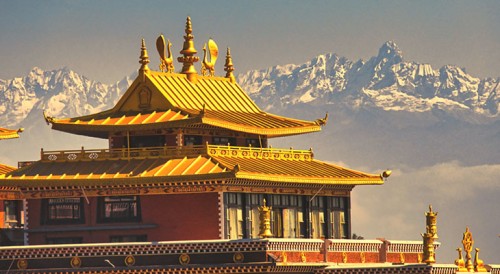
  • Emergency Plans: Know descent routes and evacuation procedures, and always carry a first aid kit and communication device.
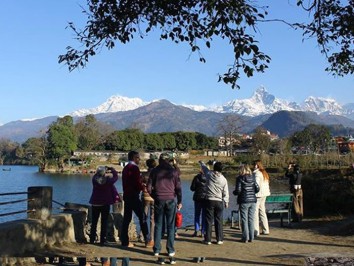
  • Weather Awareness: Summit attempts should only occur during stable weather windows to reduce risks from snowstorms or avalanches.

Following this altitude profile, acclimatization plan, and safety guidance maximizes your success and safety on Pisang Peak, while letting you fully enjoy the breathtaking Himalayan scenery of the Annapurna region.

Booking your Pisang Peak Climbing expedition in Nepal is simple, secure, and designed for international trekkers and Himalayan adventure enthusiasts. We follow a transparent and traveler-friendly process to ensure your high-altitude adventure is stress-free.
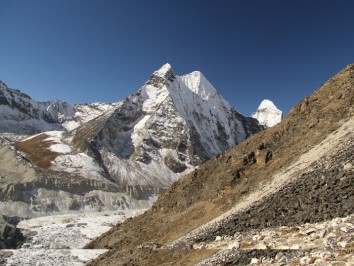
Booking Confirmation Policy

  • Advance booking is highly recommended, especially during peak seasons: Spring (March–May) and Autumn (September–November).
  • A 30%–40% deposit is required to secure climbing permits, trekking guides, accommodation, and logistics.

  • Your booking is confirmed once the deposit is received along with essential documents: passport copy and travel details.

  • Last-minute bookings are accepted based on availability but early reservations are advised for smoother arrangements.

Payment Terms & Methods

  • The remaining balance is payable upon arrival in Kathmandu, prior to trek departure.

  • Accepted payment methods include:

    • Bank transfer

    • Cash (USD, EUR, or NPR)

    • Online payment options (if available)

Cancellation & Refund Policy

  • Cancellations 30+ days before departure: partial refund available (minus administrative costs).

  • Cancellations within 15 days: deposit is usually non-refundable.

  • No refund for trip interruption due to personal reasons, health, or weather conditions.

Required Documents

  • Passport copy (minimum 6 months validity)

  • Passport-size photos

  • Travel insurance covering trekking and peak climbing above 5,000m

Why Book Pisang Peak Climbing with Us?

  • Licensed and experienced Nepali climbing guides and support team.

  • All permits, logistics, and trekking arrangements handled professionally.

  • Clear pricing with no hidden costs.

  • Focus on high safety standards and summit success.

Booking your Pisang Peak Climbing adventure ensures a well-organized, secure, and memorable Himalayan experience, letting you fully enjoy the stunning Annapurna landscapes, cultural villages, and summit views.

Pisang Peak Climbing (6,091m / 19,980 ft) is one of Nepal’s most popular trekking peaks, offering a perfect blend of high-altitude mountaineering, cultural experiences, and breathtaking Himalayan scenery. Located in the Annapurna region, this expedition combines the iconic Annapurna Circuit Trek with a challenging summit climb, making it a must-do adventure for international trekkers and peak climbing enthusiasts.

Ultimate Guide to Pisang Peak Climbing

  • The trek begins in Kathmandu, followed by a scenic drive to Jagat/Syange, and passes through traditional Tamang and Gurung villages, lush forests, alpine meadows, and high-altitude valleys.

  • Key stops include Dharapani, Chame, Pisang, Manang, and High Camp, each providing acclimatization opportunities and access to stunning Himalayan panoramas.

  • The summit day is the highlight, involving steep snow slopes, glacier sections, and high-altitude exposure, rewarding climbers with unforgettable views of Annapurna, Gangapurna, Pisang Peak, and surrounding Himalayan ranges.

  • The expedition is supported by licensed climbing guides, porters, and professional logistics, ensuring a safe, organized, and enjoyable adventure for both novice and experienced climbers.

Best Seasons for Pisang Peak Climbing

  • Spring (March–May): Clear skies, moderate temperatures, and blooming rhododendrons along the trail make spring an ideal season for trekking and peak climbing.

  • Autumn (September–November): Crisp weather, excellent visibility, and stable conditions offer the best Himalayan panorama and summit success rates.

  • Winter & Monsoon: Not recommended due to snowstorms, slippery glaciers, and heavy rainfall, which can compromise safety and trekking comfort.

Booking Pisang Peak Climbing during the peak seasons ensures a memorable high-altitude adventure, combining trekking, cultural exploration, and mountaineering in the heart of the Annapurna Himalayas. Whether you are an international trekker, Himalayan adventure seeker, or first-time peak climber, this expedition provides a rewarding and achievable Himalayan experience.

The Annapurna Circuit Trek with Pisang Peak Climbing is a comprehensive high-altitude adventure in Nepal, combining the world-famous Annapurna Circuit Trek with the thrilling summit of Pisang Peak (6,091m / 19,980 ft). This expedition offers a perfect blend of cultural exploration, stunning Himalayan landscapes, and peak climbing challenge in one seamless journey.

Starting from Kathmandu, the trek passes through picturesque Tamang and Gurung villages, lush forests, and terraced fields, gradually ascending to Dharapani, Chame, Pisang, Manang, and High Camp. Along the way, travelers experience Nepalese culture, traditional hospitality, and breathtaking views of Annapurna, Gangapurna, Pisang Peak, and surrounding Himalayan ranges. The Pisang Peak summit is a highlight, involving snow slopes, glacier sections, and high-altitude climbing, rewarding climbers with 360-degree panoramic Himalayan vistas.

This adventure is carefully designed to acclimatize trekkers for high-altitude climbing, with rest days in Pisang and Manang, professional climbing guides, and porter support to ensure safety and comfort. Whether you are a first-time peak climber or an experienced Himalayan adventurer, the Annapurna Circuit Trek with Pisang Peak Climbing provides a memorable, achievable, and safe high-altitude experience in the heart of Nepal.

Recommended - Boutique Hotel in Thamel, Kathmandu

Charming Newari Heritage Hotel in central Kathmandu, with a rooftop restaurant for stunning valley views.

Everest Boutique Hotel
footer graphic

We are associated with

Acceptable payments

Find & Follow Us on

© 2011 - 2026 All rights reserved. Mountain Mart Treks & Expedition. Developed By: Xenatech Nepal.