Kanchenjunga Base Camp Trek

Kanchenjunga Base Camp Trek

Trip Overview

  • Best price guaranteed
  • No booking fees

Key Information

Trip Length

19 days

Activities

Trekking

Difficulty

Moderate/Strenuous

Max Elevation

5160m/Kanchenjunga base Camp

Meal

Breakfast/Lunch/Dinner

Accommodation

Hotel/Tent

Transportation

Flt KTMBHR/TPJ/KTM

Best Month

March/May- September/December

Group Size

01 Min/12 Max

Kanchenjunga Base Camp Trek - Description

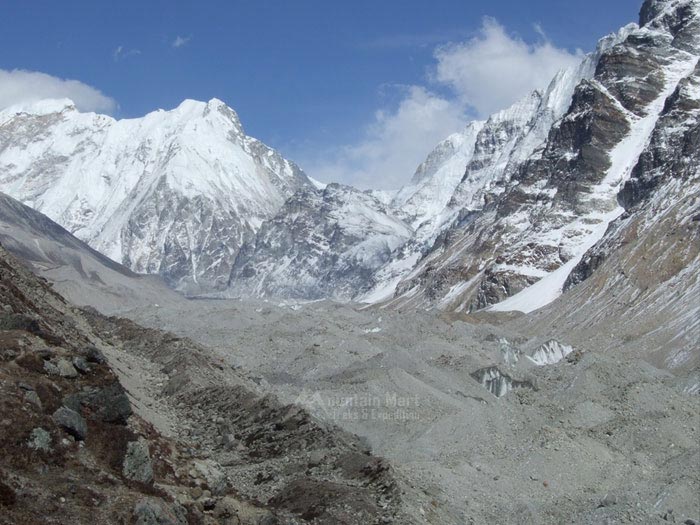
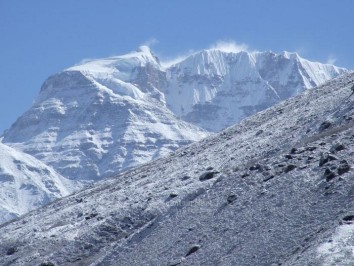
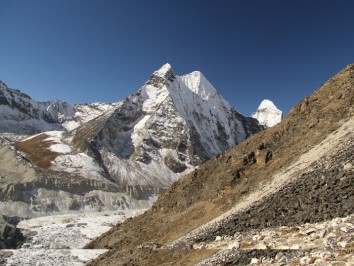
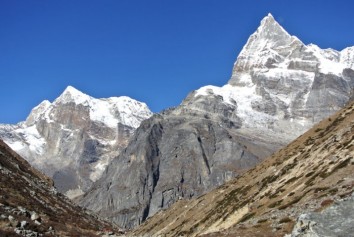
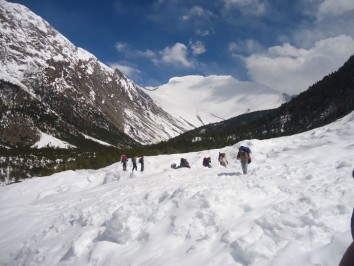
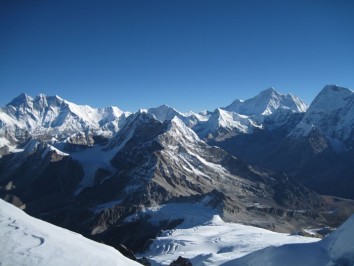
The Kanchenjunga Base Camp Trek is a spectacular and remote Himalayan adventure in eastern Nepal, ideal for trekkers seeking pristine nature, cultural authenticity, and true off-the-beaten-path exploration. This challenging trek leads deep into the protected Kanchenjunga Conservation Area, offering breathtaking close-up views of Mount Kanchenjunga (8,586m)—the world’s third-highest peak—along with iconic mountains such as Mt. Jannu (Kumbhakarna), Kabru, and Yalung Peaks. Passing through lush rhododendron forests, alpine meadows, glacial valleys, and traditional Limbu, Rai, and Tibetan-influenced villages, the trail reveals a rich blend of Himalayan culture and untouched wilderness. With visits to both Kanchenjunga North Base Camp (Pangpema) and South Base Camp (Oktang), minimal crowds, and dramatic mountain scenery, the Kanchenjunga Base Camp Trek is one of Nepal’s best remote trekking experiences for experienced trekkers looking for adventure beyond the classic trekking routes.

Kanchenjunga Base Camp Trek Trip Overview

Abundant rhododendron and bamboo forests, dramatic mountain panorama, communities with ancient history and Mt Kanchenjunga, the third highest peak in the world, it all combines to make the Kanchenjunga Base Camp trek an offbeat trekking heaven.

It is located in far-eastern Nepal on the border with Sikkim. Mt Kanchenjunga lies partly in Nepal and partly in Sikkim, India. This is inside the Kanchenjunga Conservation Area (KCA) which was one of the first areas of the Himalaya explored in the 19th century. The area is first in Nepal to be managed by local communities and has proved quite successful in the main trail. However, it is yet to be fully effective in remote areas. Yet it remains largely unvisited by travelers. A permit is required to trek to this region.

A maze of ridges and peaks isolated the communities from higher trails from the lower valleys. Trekking in this region take a little longer than most areas in the Himalayas. But the wilder unexplored corners of the Himalaya makes it more worthwhile. It is recommended and encouraged sustainable practice whenever you can.

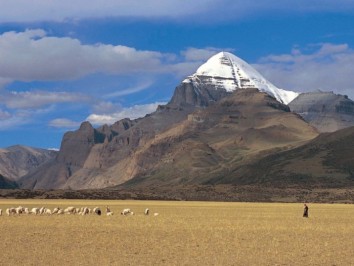
Mt Kanchenjunga, the peak after which Kanchenjunga trek is named, is the crowning glory in a vast and spectacular setting.

Kanchenjunga Base Camp Trek – Trip Highlights

  • Trek to the base camps of Mount Kanchenjunga (8,586m), the world’s third-highest mountain
  • Visit both Kanchenjunga North Base Camp (Pangpema) and South Base Camp (Oktang)
  • Explore the untouched Kanchenjunga Conservation Area, rich in alpine flora and wildlife
  • Enjoy dramatic Himalayan views of Mt. Jannu (Kumbhakarna), Kabru, Yalung, and Rathong Peaks
  • Walk through pristine forests of rhododendron, bamboo, pine, and juniper
  • Experience authentic culture of Limbu, Rai, Sherpa, and Tibetan-influenced communities
  • One of Nepal’s best off-the-beaten-path and least crowded trekking routes
  • Challenging high-altitude trekking ideal for experienced and adventure-focused trekkers
  • Stunning glacial valleys, moraines, and high alpine landscapes
  • A true wilderness journey offering raw Himalayan beauty, cultural depth, and solitude

Kanchenjunga Base Camp Trek Outline Itinerary:

  • Day 01 Kathmandu – Biratnagar (72m/236ft), 35min flight.
  • Day 02 Biratnagar – Suketar – Mitlung (850m/2,790 ft), 15min flight, 5-6 hrs trek.
  • Day 03 Mitlung - Chirwa (1,190m/3,905ft), 6-7 hrs.
  • Day 04 Chirwa - Sekathum (1,640m/5,390ft), 5-6 hrs.
  • Day 05 Sekathum - Amjilosa (2,490m/8,168ft), 5-6hrs.
  • Day 06 Amjilosa - Gyabla (2,730m/8,955ft), 4-5hrs.
  • Day 07 Gyabla - Ghunsa (3,430m/11,250ft), 5-6hrs.
  • Day 08 Ghunsa Rest and acclimatisation day.
  • Day 09 Ghunsa - Kambachen (4 150m/13,615ft), 5-6 hrs.
  • Day 10 Kambachen – Lhonak (4,790m/15,900ft), 4-5 hrs.
  • Day 11 Lhonak – Pang Pema Base Camp (5,160m/16,923ft), 2-3 hrs
  • Day 12 Pang Pema Base Camp, rest and exploration day.
  • Day 13 Pangpema – Kambachen (4,150m/13,650ft), 5-6 hrs
  • Day 14 Kambachen – Ghunsa – Phale (3,140m/10,302ft), 5-6 hrs
  • Day 15 Phale – Amjilosa (2,140m/7,100ft), 5-6 hrs
  • Day 16 Amjilosa – Chirwa (1,190m/3,900 ft), 5-6 hrs
  • Day 17 Chirwa – Linkhim (1,520m/4,985ft), 5-6 hrs
  • Day 18 Linkhim – Suketar (2,700m/8,856ft.), 5-6 hrs
  • Day 19 Suketar - Biratnagar- Kathmandu (1,300m/4,264ft), 30min and 35min flights.

Transfer to Tribhuvan International Airport for your onward flight to your next destination.

Kanchenjunga Base Camp Trek Itinerary

Expand/Collapse All
Day 1 : Kathmandu – Biratnagar (236ft), 35min flight

The journey begins with an internal flight eastwards to Biratnagar, on the edge of the Indian plains, where we check into our hotel and have a free afternoon. 

Food
Breakfast, Lunch & Dinner
Accomodation
Hotel
Elevation
72
Day 2 : Biratnagar – Suketar – Mitlung (2,790 ft), 15min flight, 5-6 hrs trek

After breakfast and an early flight, we meet our porters at Suketar and then trek down to the village of Asahangpati and on to the Tamor Khola. This major river, and its tributaries, carries the waters off all the mountains to the north to the Ganges. Most villages are situated on high gentle slopes above steep sided valleys where agriculture is possible. We follow it upstream through bird filled forest, to the Chhetri village of Mitlung. Overnight at Mitlung.

Food
Breakfast, Lunch & Dinner
Accomodation
Hotel
Elevation
850
Day 3 : Mitlung - Chirwa (3,905ft), 6-7 hrs

Today’s trail passes through dense patches of sub-tropical rainforest and follows the valley, from village to tributary crossings and up again. The region is home to ethnic Kirantis, now known as Limbus, who are chiefly involved in traditional agriculture. Beyond Sinwa, the valley narrows and the trail picks its way over landslides to Tawa. There are many bee hives in this region. Chirwa is a delightful cluster-village set amongst boulders: the campsite is next to a stream beyond the village. Overnight at Chirwa.

Food
Breakfast, Lunch & Dinner
Accomodation
Lodge
Elevation
1190
Day 4 : Chirwa - Sekathum (5,390ft), 5-6 hrs

Now the valley broadens and the landscape changes subtly. Cross the Sisuwa Khola and continue to Tapethok; the entrance and checkpoint to the Kangchenjunga Conservation Area. Wealthy cardamom farms surround the village. Follow the trail to a bridge over the Tamewa Khola and Tamewa and continue to Hellok. (Between these villages, a bridge leads west to the hilltop village of Lelep: headquarters of the KCA project.)  Beyond Hellok, a suspension bridge crosses the Simbuwa Khola: the river that rises from the Yalung Glacier on Kangchenjunga’s south face. The next bridge crosses the Ghunsa Khola that rises from Kangchenjunga’s north face glacier. This is at its confluence with the Tamur Khola just below the village of Sekathum. The first views of Khumbakarna (Jannu) may be seen. Overnight at Sekathum. 

Food
Breakfast, Lunch & Dinner
Accomodation
Lodge
Elevation
1640
Day 5 : Sekathum - Amjilosa (8,168ft), 5-6hrs.

After breakfast, we follow the trail along the north bank of the Ghunsa Khola which is set in a steep sided and narrow valley. It passes through oak and rhododendron forest with bamboo undergrowth as well as small Sherpa settlements, mainly tending yaks: there is still evidence of extensive forest burning for slash-and-burn agriculture. After lunch, there is a steep climb up to the small and friendly Tibetan settlement of Amjilosa, set on a small level kharka with great views back down the valley. Overnight at Amjilosa.  

Food
Breakfast, Lunch & Dinner
Accomodation
Lodge
Elevation
2490
Day 6 : Amjilosa - Gyabla (8,955ft), 4-5hrs.

This is a fairly short day. The trail leads up to a flat ridge and then meanders through forests of bamboo, rhododendron, birch and brown oaks. It passes waterfalls and a few scattered summer pastures. Eventually it reaches a large set of rapids, after which a stiff climb leads up to the Sherpa village of Gyabla. The slopes around the village have been denuded for fields, but the forest remains pristine on the opposite side of the valley. Overnight at Gyabla.

Food
Breakfast, Lunch & Dinner
Accomodation
Lodge
Elevation
2730
Day 7 : Gyabla - Ghunsa (11,250ft), 5-6hrs

Today’s trail passes through hemlock and bamboo forest as it drops steeply into a ravine before levelling out. The forest gradually changes to alpine Himalayan fir and rhododendron as the path rises towards the large summer yak pastures and potato fields around the village of Phale (3,140m/10,302ft). There is a wooden Gompa with several statues and old thangkas, brought originally from Tibet.

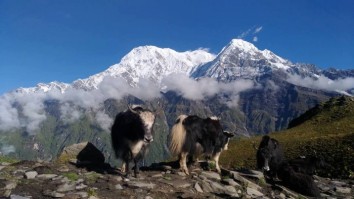
Beyond Phale, the valley widens and the trail improves as it passes through larch forests and cultivated fields. It then dips down to cross the Ghunsa Khola and enter Ghunsa. This is the largest village in the region and is now occupied throughout the year: swelling in numbers as yaks and goats are brought up (and beyond) to pasture during the summer months. 

Food
Breakfast, Lunch & Dinner
Accomodation
Lodge
Elevation
3430
Day 8 : Ghunsa: Rest and acclimatisation day.

Ghunsa is an attractive Tibetan village with homesteads spaced in wood-enclosed fields. Steep forested slopes and almost sheer rock faces form the valley sides with snow-clad peaks towering 1,000m above. 

Visit the monastery (belonging to the Khampa Dzong monasteries of Tibet) on the edge of the village. Look for locally made Tibetan carpets. Consider a day hike up the Yamatari Khola, along the Lapsang La trail, to a lake at the terminal moraine of the Yamatari glacier. Alternately follow the trail along the pipe line of the hydro electric plant towards the Tamo La: on the trail to Kangchenjunga’s south base camp. Bharal may be seen grazing above the village.

Food
Breakfast, Lunch & Dinner
Accomodation
Lodge
Elevation
3430
Day 9 : Ghunsa - Kambachen (13,615ft), 5-6 hrs.

The trail leads north of Ghunsa through glorious larch and juniper forests on the east bank of the Ghunsa Khola. After crossing a sandy, boulder-strewn floodplain it crosses the river over a rickety, wood and stone bridge before climbing above the west bank to Rambuk Kharka (3,720m/12,205ft). The hillsides become increasingly barren as the trail rises past a high waterfall and rock falls along a narrow trail. Further on it crosses a large, sandy landslide before climbing more steeply while passing the impressive snout of the Khumbakarna (Jannu) Glacier on the opposite side of the valley. It then drops briefly into Kambachen. From here there are great views of several peaks including Jannu (7,710m/25,295ft). Lammergeyers, eagles, kites, falcons and choughs are commonly seen. Overnight at Kambachen.

Food
Breakfast, Lunch & Dinner
Accomodation
Lodge
Elevation
4150
Day 10 : Kambachen – Lhonak (15,900ft), 4-5 hrs

The landscape becomes increasingly desolate; forged over aeons by glacial ice. The path is not strenuous but for a time negotiates the stony river bed before reaching summer-pastoral huts at Ramtang (4,370m/14,338ft). Beyond is the snout of the Kangchenjunga Glacier which has been joined by the Ramtang Glacier. Higher up, the stony path climbs over the moraine and drops to the riverbed of the Ghunsa Khola as it leaves the Lhonak Glacier to the north. Ford the river or cross on a low unstable bridge to the summer grazing kharkas at Lhonak, situated well above the main glacier. There are three small buildings and some old stone walls amongst boulders that can assist with tent-shelter from the icy winds.  Ice peaks rise in all directions with the 1½km ridge of Chang Himal (Wedge Peak) as centre piece. Tent Peak is prominent on the eastern horizon at the end of the visible glacier. Overnight at Lhonak.

Food
Breakfast, Lunch & Dinner
Accomodation
Lodge
Elevation
4790
Day 11 : Lhonak – Pang Pema Base Camp (16,923ft), 2-3 hrs

From Lhonak the Kangchenjunga Glacier flows eastwards for several kilometres before turning south to rise to its extensive head on the northern slopes of Kangchenjunga. The path follows the lip of the glacier over short grasses or rocky tracks that undulate with the terrain. Pang Pema lies opposite the head of the glacier and from here offers the first full view of the vast north face of the mountain. Overnight at Pang Pema.

Food
Breakfast, Lunch & Dinner
Accomodation
Lodge
Elevation
5160
Day 12 : Pang Pema Base Camp, rest and exploration day.

The views from Pang Pema must rank amongst the most spectacular in the world. From Kangchenjunga, an unbroken wall of peaks, nowhere less than 6,100m/20,000ft forms the border with Sikkim and to the north, Tibet. Beyond the campsite the West Langpo Glacier flows into the Kangchenjunga Glacier. A difficult route north leads over the Jonsang La into Tibet. Climb the lower slopes of Drohma Ri (5,500m/18,045ft) behind the camp for better views of the mountain – at sunrise. Walk along the Langpo moraine to Corner Camp for better views of Pyramid Peak, et al. Overnight at Pang Pema. 

Food
Breakfast, Lunch & Dinner
Accomodation
Lodge
Elevation
5160
Day 13 : Pangpema – Kambachen (13,650ft), 5-6 hrs

The return journey from Pang Pema to Lhonak will be fairly slow, but beyond that the route is almost all downhill and thus Kambachen can easily be reached in a day. There are great views to enjoy. Overnight at Kambachen.

Food
Breakfast, Lunch & Dinner
Accomodation
Lodge
Elevation
4150
Day 14 : Kambachen – Ghunsa – Phale (10,302ft), 5-6 hrs

Retrace the path down to Ghunsa, for lunch. Look out for pheasants in the forest. Cross the river below the village and continue downstream beside the Ghunsa Khola, through forest and farmland, to the Tibetan summer grazing village of Phale. Visit the wooden gompa. Overnight at Phale. 

Food
Breakfast, Lunch & Dinner
Accomodation
Lodge
Elevation
3140
Day 15 : Phale – Amjilosa (7,100ft), 5-6 hrs

The trail, through forests of rhododendron, conifer, birch and oak, continues down the valley, dropping to cross numerous tributaries to the last of the Tibetan villages at Gyabla. It then undulates on down to Amjilosa. Overnight at Amjilosa. 

Accomodation
Lodge
Elevation
2140
Day 16 : Amjilosa – Chirwa (3,900 ft), 5-6 hrs

After the waterfall beyond the village, the path begins to descend fairly steeply to Sekathum: at the confluence of the Ghunsa and Tamur Kholas. The path then follows the western bank of the Tamur Khola and soon crosses the suspension bridge over the Simbuwa Khola that flows in from the Yarlung Glacier.  An afternoon's walk leads to the riverside campsite a ¼hrs walk before the cluster-village of Chirwa. Overnight at Chirwa.  

Food
Breakfast, Lunch & Dinner
Accomodation
Lodge
Elevation
1190
Day 17 : Chirwa – Linkhim (4,985ft), 5-6 hrs

From Chirwa, leave the river trail and follow the trail that climbs above the east bank of the Tamor Khola to the hamlet at Thiwa (an exit point from the KCA). It then climbs high above the houses of Tawa, over a ridge before dropping into a side canyon to cross the Tawa Khola before climbing back to the ridge. It then passes above the hamlet of Malbanse before reaching Linkhim. Overnight at Linkhim. 

Food
Breakfast, Lunch & Dinner
Accomodation
Lodge
Elevation
1520
Day 18 : Linkhim – Suketar (8,856ft.), 5-6 hrs

From Linkhim, the trail winds in and out of side canyons to the Limbu village to Phurumbu and a ridge overlooking a vast landslide before Jogidanda. A final 3-4 hrs climb, through the Sherpa villages of Bung Kulung and Bhote Gaon leads to the airstrip at Suketar. Celebrate with a farewell dinner before saying goodbye to your trekking crew. Overnight at Suketar. 

Food
Breakfast, Lunch & Dinner
Accomodation
Lodge
Elevation
2700
Day 19 : Suketar - Biratnagar- Kathmandu (4,264ft), 30min and 35min flights

After breakfast, board an early morning flight to Biratnagar and later an onward flight to Kathmandu from where you will be driven to your hotel. Afternoon free. 

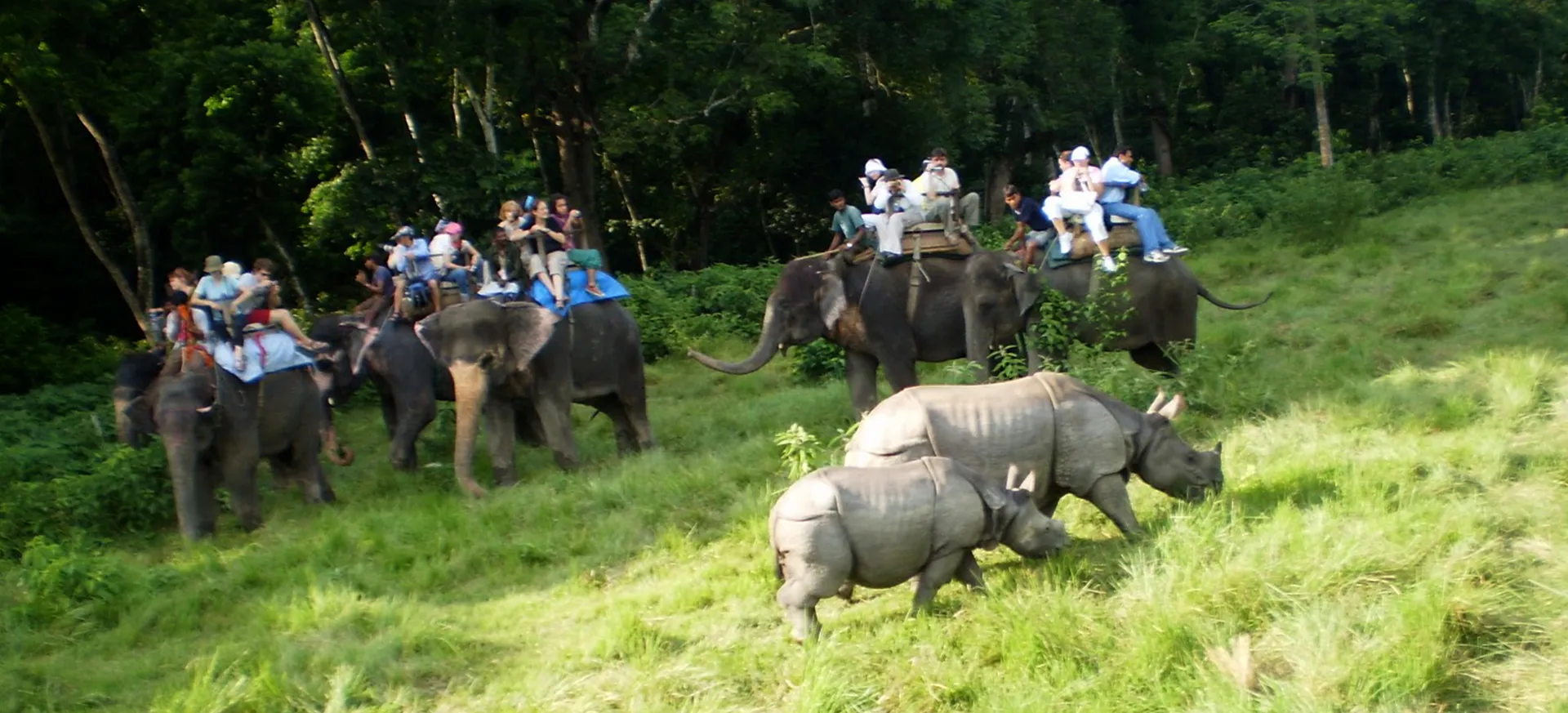
For more fantastic ideal trip to extend your valued holiday in Nepal, from riding elephant in Chitwan to tours in Tibet and Bhutan please, browse our trip extension  Please, follow the link.

Why select Mountain Mart Treks to be your travel partner?

  • More than 20 years of route experiences
  •  Guests first
  • Individual trip design and fixed departures
  • Comfort & safety
  • Stress Free Travel
  • Fixed prices without hidden costs
  • Extensive range of travel service
  • World class travel service
  • Easy and flexible payment modes  
  • Financial protection
  • Staff care
  • Responsible tourism      
  • Walking and helping
Food
Breakfast, Lunch & Dinner
Accomodation
Hotel
Elevation
1300

What Is Included ?

  • All airport/Hotel transfers
  • 2 star Hotel in Kathmandu for 3 nights on BB Plan
  • Full meals (Breakfast, Lunch & Dinner) during the trek
  • Hot drinks (Tea & Coffee)
  • All mountain accommodation
  • Flight  (Kathmandu/ BiratNagar/Suketar/Biratnagar/Kathmandu )
  • An experienced English-speaking trek leader (Govt. registered trekking guide), assistant trek leader (4 trekkers: 1 assistant guide) and Sherpa porters to carry luggage (2 trekkers: 1 porter)
  • Guide & porter salary, insurance, equipment, flight, food and lodging
  • All necessary paper work and permits  (Kachanjhangha Restricted Area Permit,Kanchanjangha Conservation Permit )
  • A coKamprehensive medical kit
  • All government and local taxes
  • Trekking equipment such as down filled sleeping bag, down jacket, walking poles and duffel bag

What Is Excluded?

  • Soft drinks, alcoholic drinks
  • Mineral water
  • Lunch & Dinner in Kathmandu
  • Travel insurance & evacuation

Altitude Graph

FAQs

What is the Kanchenjunga Base Camp Trek?

The Kanchenjunga Base Camp Trek is a remote high-altitude trekking adventure in eastern Nepal that takes trekkers to the North Base Camp (Pangpema) and South Base Camp (Oktang) of Mount Kanchenjunga (8,586m), the world’s third-highest mountain.

Where is the Kanchenjunga Base Camp Trek located?

The trek is located in eastern Nepal, inside the protected Kanchenjunga Conservation Area, near the Nepal–India border.

How long does the Kanchenjunga Base Camp Trek take?

The trek typically takes 19 days, depending on the itinerary, acclimatization schedule, and trekking pace.

What is the difficulty level of the Kanchenjunga Base Camp Trek?

This is a challenging trek, best suited for experienced trekkers due to its long duration, remote trails, and high-altitude terrain.

What is the maximum altitude reached during the trek?

The highest point is Kanchenjunga North Base Camp (Pangpema) at approximately 5,143 meters above sea level.

When is the best time to do the Kanchenjunga Base Camp Trek?

The best seasons are spring (March to May) and autumn (September to November), offering stable weather and clear mountain views.

Do I need special permits for the Kanchenjunga Base Camp Trek?

Yes, trekkers require a Restricted Area Permit (RAP) and a Kanchenjunga Conservation Area Permit (KCAP).

Is a licensed guide mandatory for this trek?

Yes, a government-licensed trekking guide is mandatory, and solo trekking is not permitted in the Kanchenjunga region.

What type of accommodation is available during the trek?

Accommodation is mainly basic tea houses and local lodges, with simple but warm hospitality due to the region’s remoteness.

What kind of food can I expect on the Kanchenjunga Base Camp Trek?

Meals include traditional Nepali dal bhat, noodles, soups, rice, potatoes, and limited continental dishes at higher altitudes.

Is the Kanchenjunga Base Camp Trek suitable for beginners?

No, this trek is not recommended for beginners because of its altitude, physical demands, and limited facilities.

Is there a risk of altitude sickness on this trek?

Yes, altitude sickness is possible, so proper acclimatization, gradual ascent, hydration, and rest days are essential.

What wildlife can be seen during the trek?

The Kanchenjunga region is home to red pandas, snow leopards, Himalayan black bears, musk deer, and various bird species.

How crowded is the Kanchenjunga Base Camp Trek?

This is one of Nepal’s least crowded and most off-the-beaten-path treks, offering solitude and untouched landscapes.

What cultural experiences are included in this trek?

Trekkers experience the unique traditions of Limbu, Rai, Sherpa, and Tibetan-influenced villages, along with monasteries and local lifestyles.

Can both North and South Base Camps be visited on one trek?

Yes, most itineraries include visits to both Pangpema (North Base Camp) and Oktang (South Base Camp).

What level of fitness is required for this trek?

Good physical fitness and prior high-altitude trekking experience are strongly recommended.

Why choose Mountain Mart Treks & Expedition Pvt. Ltd. for the Kanchenjunga Base Camp Trek?

Mountain Mart Treks & Expedition Pvt. Ltd. offers expert local guides, safety-focused planning, customized itineraries, and authentic Himalayan trekking experiences.

Additional Information

  • Reading/writing material
  • First-aid kit; should contain lip salve, Aspirin, Band Aids, anti-histamine, Imodium or similar tablets for mild cases of diarrhea
  • Re-hydration powder, extra prescription drugs you may be taking if any particular
  • Wet wipes for cleaning can be purchased in Kathmandu.
  • Health requirements arranged
  • Money: cash/credit card
  • Down Sleeping bag provided by Mountain Mart Trek in Kathmandu 
  • Light weight Towel
  • Day pack (25-30 liter) to carry your personal needs during the day
  • Torch/flashlight - headlamp style is ideal
  • Insect repellent, sunscreen and lip balm
  • Refillable water bottle - Min 1 Liter Aluminum or Nalgene polypropylene are best
  • Warm Hat
  • Sunhat/bandana
  • Sunglasses
  • Gloves - wool or fleeced and gore tex
  • Scarf
  • Bag Liners to waterproof your bags (A duffel bag is provided to each trekker for trekking by MMT in Kathmandu)
  • Sewing Kit
  • Wind and waterproof Jacket & Pants
  • Comfortable and sturdy walking shoes (worn frequently prior to departure)
  • Socks: thick wool blend and thin cotton to be worn in combination - ensure boots fit such combination
  • Running shoes or sandals for evening
  • Wool jumper/sweater/fleece. Lightweight during summer, 1 heavyweight or 2 lightweights during winter months.
  • T Shirts 2 or 3
  • Shirt - Long Sleeved
  • Pants - lightweight long trousers (jeans are unsuitable)
  • Thermals upper and lower
  • Extra warm clothing during winter (December to March) layered clothing - thermals.

Booking Terms and Conditions

Please, read MMT’s ‘Terms and Conditions’ carefully prior to trip booking

Trekking or Mountaineering in the higher elevation of the Himalayas is one of the most adventurous endeavors which inherit the risk of AMS or injuries or even death. MMT is always concern regarding the comfort, safety and health of trekkers while meandering in higher altitude. We contribute great effort to reduce or control the risk and hazard; but sometime nature’s curse or fluctuate climate in Himalayas is beyond our control and we are not responsible for it.
If you are a keen adventure lover and are ready to follow the hereby mentioned Terms and Conditions then you are heartily welcome at MMT office, Kaldhara-marg, Paknajol, Thamel, Kathmandu, Nepal.

BOOKING TERMS AND CONDITIONS:

1. All the bookings of the packages are dealt with Mountain Mart Treks and Expedition which is an authorized adventure company based in capital of Nepal: Kathmandu.

2. The term ‘Trip’ formally refers to walking, sightseeing, treks, tours, mountaineering, expeditions or holiday in the mystical land, Nepal.

3. MMT faithfully offers all the amenities in the estimated price of the package.

4. Please go through itinerary page or trek inclusion page for the detail information of the cost transparency. The trek cost may vary from one package to another and some packages don’t include the cost of the following:

  • Personal travel insurance, medical assistance and helicopter evacuation.
  • Visa, Passport and transit point expenses.
  •  Extra meals, entertainment activities, accommodation, transportation costs are not included in the itinerary.
  • Laundry, postal, medicine, clothing, gears and personal expenses.
  • Tips and excess baggage charge.

5. The travelers must pay 20% upfront out of the total trip cost for the trip conformation.

6. You can pay the booking conformation amount either by credit card and wire transfer, both payment option subject to charge additional bank service fees upto 4% on top of the sum.

7. The trip will be booked once the payment is made by the travelers. We will send you the conformation letter through online and assure to provide all the service detail as mentioned in the itinerary.

8. The final payment must be submitted at the MMT office before the tip departure. Otherwise, you will not be legitimate for trip and no final documentation will be disclosed before the payment.

09. Regarding trip cancellation, we entertain free trip cancellation service upon submission of trustable reason before 90 days of the departure date upon adequate evidence and written reasons.    

10. If you cancel the trip 60 days prior to the departure date then 75% cancellation fee will be levied from the booking amount.

11. 85% cancellation fee will be levied if you cancel the trip before 30 days of the trip departure date.

12. The company will be unable to refund the earlier paid (20%) booking payment if you cancel the trek prior to 15 days of the departure date.

13. There will be no payment refund if you voluntarily leave or cancel the trip once it is started; but if you are forced to leave due to unforeseen immediate circumstances then payment can be refunded after proper discretion.

14. We guarantee your safe and successful trip; however, the company reserves the authority to cancel the trip if there will be no minimum number (2) of travelers. In this condition, company will postpone or manage alternative trip.

15. If the company cancels the trip due to any unforeseen circumstances which are beyond our control (i.e. natural disaster, flight cancellation, strikes, wars, riots, quarantine, government intervention policy, weather condition), we will refund after deduction of minimum operating cost involved.

16. If you want to change your booking date, the booking amendment request must be made 90 days prior to the original trip departure.

17. If trekkers demand to change the departure date prior to 60 days of the final departure, US $ 50.00 per person will be charged as cancelation fee. The charge of the trip may also be increased if the market price soars higher during the postponed trip date.

18. The policy of our company is: Trekkers must have insurance policy contract if they want to trek with MMT. The policy must feature: medical coverage, air ambulance, helicopter evacuation facility, as well as flight cancellation insurance if possible.

19. Mountain Mart Treks and Expedition organizes various adventurous trips which have high risk factor and demand more physical stamina plus training. If you can’t accomplish the trek due to your physical inability or sickness, we are not obliged to refund the payment.

20. There may appear hindrance, obstacles or circumstances like: political riot, insurgency, accident, climate change, or natural disasters during the course of trip. Make sure you are ready to deal with all these problems.

21. The trip route, accommodation, modes of transport may be changed without prior notice due to the unforeseen circumstances. It is for your convenience and safety, so hope you will display flexible human nature in this context.

22. While changing the route, transportation, accommodation, or itinerary due to above circumstances, we may charge additional cost or lessen the cost as per the total expenses of the entire trek.

23. MMT holds all the authority to decline, accept, detain or retain any members of the trip if we find anyone suspicious or indiscipline. If you want to trek with MMT, you must accept our leadership during the whole trip.

24. MMT has contracted with network of companies, government of Nepal, individuals to assist the travelers during the trip. These third parties are qualified to perform their duties as contracted. We are not liable in case of loss, damage, irregularities if the third parties don’t perform their duties properly.

25. MMT is not responsible for the violation of any law or rules committed by the travelers in any country.

26. This agreement is governed by the laws of the Government of Nepal. No any individual: employees, representatives, guides of the company can alter the terms and conditions.

27. These terms and conditions may only be waived in special circumstances with written application to the director. Only the director of the company has all the right to amend them.

28. Travelers must be physically and mentally fit for the trekking. It is compulsory to bring health certificates along with proper legal documents for trip approval, if asked.

29. If the flight is cancelled or get delayed due to fluctuate climate or any other causes, MMT is not responsible for the extra expenses or compensation. We can manage alternative arrangement on special request which may demand other extra cost.

30. We have displayed the authentic, genuine and accurate information on our official website and brochure. If any mistake, incomplete or wrong information is seen, please inform us on time.

31. Please read all the above mentioned ‘Terms and Conditions’ before making the bookings. You must abide these conditions if you fancy to trek in the Himalayas with Mountain Mart Treks (MMT)

Meals & Food during the Kanchenjunga Base Camp Trek

Eating is a big part of Holiday. Travelling with Mountain Mart Trek, you experience the vast array of wonderful food Nepalese, Chinese, Continental, Italian and several local cuisines. Breakfast, Lunch & Dinner are included in the package. Your guide will suggest delicious, hygienic and each place special food during your trip. Mountain restaurant owner prefer not to order many dishes and waste food as they would like to cater more trekkers with limited food before run off stuck. Its a week or more days hard work to porters and caravans to bring food to these places. During this trek you will usually have breakfast and dinner at the same Lodge, lunch will be eaten at one of the trail side restaurants en-route.

Accommodation during the Kanchenjunga Base Camp Trek

A Tea House is the combination of guest house, restaurant, and social hang out. Private rooms are available in most Tea Houses, except for high altitudes ones where it will be just dormitories. The lodges are fairly basic. The rooms are spare with twin beds and very little additional furniture. Blankets are generally provided. There is a large dining room-cum-lounge, warmed by the bukhara stove (an iron cylinder, fitted with a chimney duct, in which a log fire is lighted. There is normally no electric lighting in the rooms unless the village has hydroelectric power. The dining room usually hassolar lighting.

Most teahouses now also have electricity for charging small appliances - mobile phones and cameras - and there may be a small charge for this.

Drinking water during the Kanchenjunga Base Camp Trek

Mountain Mart Trek provides unlimited chlorine/Iodine treated water during the trek. All tea houses have mineral water and boiled water for trekkers upon additional cost. We discourage the purchase of Mineral water and bottled water while on the Trek as plastic bottles aredifficult to dispose off and have become an environmental problem

Kanchenjunga Base Camp Trek Route Map

Mountain Mart Trek offers you complementary route map and T-shirt

What to Take for the Kanchenjunga Base Camp Trek

This is a very active trip, meaning you will be on the move most of the time, so pack as lightly as possible. We provide one porter for every two travellers; your trekking gear will be carried by the porter in a duffel bag that we will provide. The maximum the porters are allowed to carry 15 kgs per trekker means 30 kgs from 2 trekkers . Unnecessary luggage can left in Kathmandu Hotel and its absolutely free of cost. .

Important to note:

Please read the Checklist section of this trip notes for additional details of what you need to bring for the trek on this trip. You will need to bring a comfortable medium sized day pack to carry the things that you will need during the day. This should have a waist strap or (better) a padded waist belt. The weather is subject to change in high altitude so layered clothing is recommended throughout the year.

Foreigners other than Indian citizen, who intend to visit Nepal must hold a valid passport prior to applying for a Nepal visa. The passport must have six months validity from the date of arrival. Foreigners can obtain a Nepalese visa upon arrival at Kathmandu airport, or at a border immigration office. One recent copy of a passport size color photo is required to apply for Tourist Visa to Nepal. Mountain Mart Trek has listed Nepal visa information tips for travelers to Nepal.

Tourist visas shall be granted for a maximum period of 150 days in a visa year (January to December)

A foreigner who has departed before the expiry of the period specified in the visa issued in a visa year shall not be allowed to use the visa by adding the remaining period to another visa year. If any foreigner who has entered Nepal towards the end of a visa year desires to extend his/her stay into the new visa year, he/she may do so by purchasing another visa for the New Year. Provided, however, that the computation of the fees for such period shall be made on the basis of the total period of the stay.

An application for a Tourist Visa must be submitted in the format referred to in Appendix 1.

A Nepali visa issued abroad is valid for entry for three to six months from the date of issue. True -

Tourist Visa Exceptions

Citizens of the following countries should be issue visa in their own country to Nepal embassy and consulate.

Afghanistan, Cameroon, Ethiopia, Ghana, Iraq, Liberia, Nigeria, Palestine, Somalia, Zimbabwe.

Entry

No foreigners except Indians are entitled to Nepal without a valid visa.

Visas can be obtained from the following immigration offices in Nepal:

  • Tribhuvan International Airport, Kathmandu
  • Kakarvitta, Jhapa (Eastern Nepal)
  • Birganj, Parsa (Central Nepal)
  • Kodari, Sindhupalchowk (Northern Border)
  • Belhiya, Bhairahawa (Rupandehi, Western Nepal)
  • Jamuna, Nepalgunj (Banke, Mid Western Nepal)
  • Mohana, Dhangadhi (Kailali, Far Western Nepal)
  • Gaddachauki, Mahendranagar (Kanchanpur, Far Western Nepal)

Visa Application Forms

A copy of the Visa Form is available for use at the end of this document that avoids you long queue to pick up the Nepal visa form at the international airport.

Visa Fees

The fees payable only in USD dollars for obtaining a visa on arrival at any border are as follows:

  1. A Tourist Visa with Multiple Entry for 15 days: US$ 25 payable only in USD dollars.
  2. A Tourist Visa with Multiple Entry for 30 days: US$ 40 payable only in USD dollars
  3. A Tourist Visa with Multiple Entry for 90 days: US$ 100 payable only in USD dollars
  4. Regardless of the provisions stated in points E1 and E2 above: Tourists with passports from South Asian
    Association for Regional Cooperation (SAARC) countries (Bangladesh, Bhutan, India, Maldives, Pakistan
    and Sri Lanka) are not required to pay visa fees for a 30 day visa.
  5. Indian citizens do not require a visa to enter into Nepal.

Visa Extension Fees

The fees payable (only in local Nepali currency) to extend the duration of your stay, or to renew a visa are:

  1. US$ 2 equivalent, in Nepali currency, per day of the extension period.
  2. An additional US$ 20 or equivalent, in Nepali currency, is payable on a single-entry visa in F1 if a MultipleEntry facility is requested for the extended period.
  3. If foreign visitors failed to renew their visa and need to do so at an exit point, they have to pay an additional equivalent to US$ 3, in Nepalese currency, on the regular visa extension fee.
  4. Foreign visitors who have overstayed their visa period of 150 days without extension are required to pay an additional visa fee as per provision in F3, plus a fine as specified in Clause 10 sun-clause 4 of the immigration Act 2049.
  5. Regardless of the provision stated in F1: 15 days is counted as a minimum extension period and the visa fee is charged accordingly. For an extension period of more than 15 days, the visa fee is charged as per the provision of F1.
  6. A tourist visa can be extended for up to a maximum period of 150 days in a single visa year (Jan. – Dec.).
    It is cheaper to purchase a 30 day visa at the point of entry and then to extend it, for 15 days or more at the Central Immigration Office in Kathmandu or Pokhara unless you are staying for 90 days or more

    For an extension to a visa you will need two additional passport photographs for each extension.

Transit Visa

A transit visa for one day can be obtained from Nepal's immigration offices at an entry point upon the production of a departure flight ticket via Tribhuvan International Airport in Kathmandu. The fee is US$ 5 or equivalent convertible currency. A transit visa may not be extended.

A Nepali Visa can be obtained from Nepal Embassy / Consulate Offices in your country, or upon arrival at Kathmandu airport. It is also possible to obtain the visa from other border points of entry. You'll need 1 passport photo each time.

For foreign investors, a business visa with a multiple entry facility for a period of one year or five years can be obtained from the Department of Immigration on the recommendation of the Department of Industry and Commerce by paying US$ 100 and US$ 250 or equivalent convertible foreign or Nepali currency.

Note: While we try to make the information contained herein as accurate as possible, we accept no responsibility for any loss, disruption or inconvenience sustained by anyone using this information.

Important Information to Visitors

Foreign visitors are requested to keep a note of the dates on their Nepalese visa and their passport number to avoid possible problems. Visa extensions need to be applied for, within the valid period of the Nepalese visa.

You are requested to ensure that you get the arrival/departure stamps on your passport at the entry /exit points to avoid possible legal complications.

Living in Nepal without a passport or a valid visa is a punishable offence.

Deviation from the prescribed trekking routes mentioned on your trekking permit will be treated as a violation of the law.

You are advised to be aware of brokers/cheaters and counterfeit documents or visa/trekking permits to avoid legal complications.

Change of purpose of your stay without permission is not allowed and employment or voluntary services while on a tourist visa is strictly prohibited. It will be a punishable offence.

Be certain to register at the police and Immigration check points along any trail. It would be wise to register your trekking destination and schedule at your Embassy or Consulate.

If you encounter problems along the trails, immediately inform the nearest police or Immigration post officials.

You are requested to change money with recognized dealers and do not forget to take and keep formal receipts.

You are requested to inform the officials at an Immigration Office or Police Station of any changes in the address previously given in your visa application form or disembarkation card, and within seven days.

If, as a tourist, your stay is more than 120 days in one visa year and you wish to visit additional places for longer than 24 hours, you must register at the local police office of such places, your name, passport number and address.

You are advised to be mindful to contact the Department of Immigration to request a visa transfer in the case of getting a new passport or travel document from your embassy, and within seven days.

Passport and trekking permits should be kept by each trekker while trekking.

Filming in restricted or notified areas without permission is strictly prohibited.

Please do not take out the visa stickers from your passport and do not try to change records printed in your passport.

We request your co-operation in observing the following guidelines during your stay in Nepal. Respect local traditions, customs, values and sentiments, help to protect local culture and maintain local pride.

  1. Respect privacy while taking photographs.
  2. Respect holy places.
  3. Refrain from giving money to children as it will encourage begging.
  4. Respecting local etiquette will earn you respect.
    Let the Himalayas change you – do not change them: so remember while you are on trekking:
  5. Leave campsites cleaner than you have found them.
  6. Do not light open fires.
  7. Burn dry papers and packets in a safe place.
  8. Keep local water clean and avoid using pollutants.
  9. Plants should be left to flourish in their natural environment.
  10. Help your guides and porters to follow conservation measures.
  11. Protect the natural environment.

Information for Indian Citizens

Indian citizens are permitted to travel in Nepal provided they have any one of the following documents:

Passport; Driving license with photograph; Identity card with photograph issued by a governmental body; Ration card with photograph; Voter identity card with photograph; Registration certificate issued by the Indian embassy to Indian citizens residing in Nepal; Ad hoc/temporary identity cards issued by the Indian embassy to the Indian citizen in the event of exigency; Document with photograph and setting out identity, issued by the sub-divisional magistrate or authority there above.

General Information

Department of Immigration
Kalikasthan, Dillibazar, Kathmandu.
Tel : 977 - 01 - 4433934 / 4429660 / 4438862 / 4438868
Fax : 977 - 01 - 4433935
Email : mail@nepalimmigration.gov.np
Web : http://nepalimmigration.gov.np/

Office Hours

Sunday to Thursday 10:30 a.m. - 17:00 p.m. in Summer
  10:30 a.m. - 16:00 p.m. in Winter (Nov. to Jan.)
Friday 10:30 a.m. -15:00 p.m.

Visa Application Hours

Sunday to Thursday 10:30 a.m. - 15:00 p.m.
Friday 10:30 a.m. - 13:00 p.m.

Note: All of the information above is based on information from the Department of Immigration of Nepal’s office and may be found on their website.

Trekking cards and Permits for Conservation Areas, National Parks and Restricted Areas

All trekkers are required to carry a Trekkers' Information Management System card (TIMS card). It is available from the Tourist Services Centre in Kathmandu: Sun – Fri 10:00 – 13:00 and 14:00 – 17:00. It is free, but requires two passport photographs. (Trekking agencies provide the cards for their clients.) Show it at check points on trekking routes.

Trekking Permits are required for all treks that pass through Conservation Areas or National Parks.

Conservation Area permits can be purchased at the Tourist Services Centre for Rs 2000 plus two photographs.

National Park entry tickets cost Rs 3000 and require no photograph. Purchase at the Department of National Parks and Wildlife Conservation office Sun – Fri 09:00 – 14:00 only (next to the Tourist Services office).

Restricted Area Permits are required mainly for camping style trekking in remote areas near the Tibetan border – for which a guide is strongly recommended. They can only be purchased for two or more trekkers. The permits are issued by the Central Immigration Office, require two working days, your original passports (not facsimiles) and two photographs. Costs range from US$10/week to US$500/10 days plus substantial additional amounts for each additional day. These will be procured by your chosen trekking agency. Offices are open daily, but with restricted hours on Saturdays.

Tourist Visa

The foreign tourist visiting Nepal shall be granted the tourist visa.

The tourist visa shall be granted for a period in maximum of 150 days in a visa year (Visa years means January to December).

A tourist who has departed before the expiry of the period specified in the visa issued in a visa year shall not be allowed to use the visa by adding the remaining period to another visa year.

If any foreigner who has entered into Nepal towards the end of a visa year desires to spend even the period during which he may stay in Nepal with the tourist visa of the other visa year, he may use such facility.

Provided, however, that the computation of the fees for such period shall be made on the basis of the total period of his stay.

Note: Above information is based on Department of Immigration of Nepal office.

Staff care

Our outdoor staffs are fully insured and well equipped. MMT offers attractive salary packages to guides, porters and other trekking staffs. We also pay sustainable salaries/wages during low season when no work is available. Our porters may carry a maximum mass of 30 kilograms.

Customize Tips

We have extensive logistical experience in both individual and group tour operations. We customize your holdiay as per requirment and  always endeavour to meet ultimate expetation. MMT tour operaters are professionalize in Nepal trekking, high adventure passes, climbing and mountaineering, cultural tours, white water rafting and many more.

Comfort & Safety

Safety and trip comfort are no compromises and top priorities of the company inclusively to both clients and trekking crews. Our trekking leaders are pharmacy trained and have considerable knowledge on AMS (Acute Mountain Sickness) from different training workshops conducted by HRA (Himalayan Rescue Association), KEEP (Kathmandu Education Invironment Project) and TAAN (Trekking Agencies' Association of Nepal) . We believe health is wealth:  Guides and porters are fully insured and sufficient trekking gear is supplied by MMT.  Emergency First Aid Kits are carried by trek leaders for health support for clients and trekking staff.  We are constantly in communication with our trek leaders about weather issues which might influence trips.

65% Repeated customer

We are an independent ultimate outdoor adventure team, based in Nepal, who explore and experience the unspoiled flora, fauna and landscapes of the towering Himalayas as well as the treasures of myth and legend of Nepal, Tibet and Bhutan. Mountain Mart Treks offers a splendid alternative solution for adventure, fun, research, and eco tourism to these South Asian countries. We believe each our happy client is our next trek.

Guaranteed departure

Mountain Mart Trek has numerous fixed departures trekking tours to match several travelers. Besides, we also offer customize guaranteed departure dates upon your advice and make happen comfortably. MMT will organize treks for groups with specific interests and will adjust itineraries for groups with age-specific requirements. Group sizes can range from a single trekker up to a maximum of 10 people

20 years of route experience

Our trekking team has more than 20 years route experiences in remote adventure, peak climbing, expeditions, culture and nature research, whatever your condition we will help you to achieve your final goal. We believe in adventure beyond the fun.   We are more specialized in unbeaten and unspoiled nature finder trekking operator..

Fixed price, no hidden cost

Our prices are extremely competitive and our service will touch your feelings. We have a good business relationship with domestic and international airlines, hotels and resorts and are the sole agents for several treks and tours. We guarantee fair prices and top class unexpected Services.We offer a transparent travel service and no hidden costs will hit our clients during their trip.

Wide range of travel package

MMT offers a one stop travel solution and is proud to inform our valued clients that all types of travel service, including international air bookings, visa services for India, Tibet, Bhutan, and China are on offer. Apart from trekking, we are the sole agents for mountain climbing expeditions, white water rafting, wildlife safaris, cultural tours, bird watching tours as well as budget and group tours to Tibet and Bhutan

1. Field Staff Rules

Mountain Mart Treks & Expedition Pvt. Ltd. follows strict professional standards for all field staff, including guides, assistant guides, and porters. Our team members are government-licensed, well-trained, and experienced in Himalayan trekking and expeditions. They are required to respect local cultures, protect the environment, maintain ethical conduct, and prioritize guest safety at all times. Friendly communication, honesty, punctuality, and professional service are core values we uphold throughout every journey.


2. Safety & Security

Guest safety is our highest priority. All trekking routes are carefully planned with proper acclimatization and daily safety briefings. Our guides are trained in first aid and altitude awareness, and they closely monitor trekkers’ health during the trip. We use reliable equipment, trusted accommodation, and established emergency procedures, including evacuation support when needed. With Mountain Mart Treks & Expedition Pvt. Ltd., travelers can explore Nepal with confidence and peace of mind.


3. Best Season to Trek in Nepal

Nepal offers excellent trekking opportunities throughout the year, but the best seasons are spring (March to May) and autumn (September to November). During these months, the weather is stable, skies are clear, and mountain views are spectacular. Spring brings colorful rhododendron forests, while autumn offers crisp air and stunning Himalayan panoramas. Winter and monsoon treks are also possible in selected regions with proper planning and guidance.


4. Experience & Fitness

Our trekking and adventure programs are designed for a wide range of experience levels—from beginners to experienced trekkers and mountaineers. Most treks require a good level of physical fitness, regular walking ability, and a positive mindset. Prior trekking experience is helpful but not always necessary. We provide clear pre-trip information to help guests prepare physically and mentally for a rewarding Himalayan journey.


5. Acclimatization

Proper acclimatization is essential for a safe and enjoyable trek in Nepal. Our itineraries are carefully designed with gradual altitude gain and scheduled rest days to help the body adapt naturally. Guides continuously assess guests’ condition and provide guidance on hydration, pacing, and altitude awareness. This approach greatly reduces the risk of altitude-related illness and ensures a comfortable trekking experience.


6. Eco-Friendly Practice

Mountain Mart Treks & Expedition Pvt. Ltd. is committed to responsible and sustainable tourism in Nepal. We follow eco-friendly trekking practices by minimizing waste, promoting reusable products, supporting local communities, and respecting wildlife and natural resources. Our goal is to preserve the pristine Himalayan environment while providing meaningful travel experiences for future generations.


7. Tailor-Made Itinerary

We specialize in tailor-made itineraries designed to match each traveler’s interests, schedule, fitness level, and travel style. Whether you prefer a relaxed cultural trek, an adventurous high-altitude journey, or a private family trip, our team customizes every detail for a personalized experience. From arrival to departure, Mountain Mart Treks & Expedition Pvt. Ltd. ensures flexible planning, expert guidance, and exceptional service.

You can send your enquiry via the form below.

Day

19

  • Best price guaranteed
  • No booking fees
  • E-ticket/Mobile voucher

Response Time 3 Hours , Response Rate 100%

Similar Packages

Enjoy the popular trekking and tour packages in Nepal Himalayas. 2026.

Mardi Himal Base Camp Trek
12 Days

Mardi Himal Base Camp Trek

(5) 1 Review
Upper Dolpo Trek
24 Days

Upper Dolpo Trek

(5) 1 Review
Manaslu Tsum Valley Trek
24 Days
$1745 /Person

Manaslu Tsum Valley Trek

Kathmandu Day Tour
1 Day
$75 /Person

Kathmandu Day Tour

Namo Buddha Day Hiking Tour
1 Day
$110 /Person

Namo Buddha Day Hiking Tour

Bhaktapur Half Day Tour
1 Day
$70 /Person

Bhaktapur Half Day Tour

Nagarkot Sunrise Day Tour
1 Day
$120 /Person

Nagarkot Sunrise Day Tour

Nagarkot Sunset Day Tour
1 Day
$110 /Person

Nagarkot Sunset Day Tour

Nagarkot Day Hiking Tour
1 Day
$65 /Person

Nagarkot Day Hiking Tour

(5) 1 Review
Everest Base Camp Helicopter Tour
4 hours Days
$1395 /Person

Everest Base Camp Helicopter Tour

(5) 2 Reviews
Shivapuri Nagarkot Trek
6 Days
$575 /Person

Shivapuri Nagarkot Trek

Nepal Cultural Tour
6 Days

Nepal Cultural Tour

(5) 1 Review
Mera Peak Climbing
18 Days

Mera Peak Climbing

(5) 2 Reviews
Lobuche Peak Climbing
22 Days

Lobuche Peak Climbing

(5) 1 Review
Short Mardi Himal Trek
8 Days
$675 /Person

Short Mardi Himal Trek

Kanchenjunga Base Camp Trek - 19 Days

Kanchenjunga Base Camp Trek

Kanchenjunga Base Camp Trek - Description

The Kanchenjunga Base Camp Trek is a spectacular and remote Himalayan adventure in eastern Nepal, ideal for trekkers seeking pristine nature, cultural authenticity, and true off-the-beaten-path exploration. This challenging trek leads deep into the protected Kanchenjunga Conservation Area, offering breathtaking close-up views of Mount Kanchenjunga (8,586m)—the world’s third-highest peak—along with iconic mountains such as Mt. Jannu (Kumbhakarna), Kabru, and Yalung Peaks. Passing through lush rhododendron forests, alpine meadows, glacial valleys, and traditional Limbu, Rai, and Tibetan-influenced villages, the trail reveals a rich blend of Himalayan culture and untouched wilderness. With visits to both Kanchenjunga North Base Camp (Pangpema) and South Base Camp (Oktang), minimal crowds, and dramatic mountain scenery, the Kanchenjunga Base Camp Trek is one of Nepal’s best remote trekking experiences for experienced trekkers looking for adventure beyond the classic trekking routes.

Trip Overview

  • Best price guaranteed
  • No booking fees

Key Information

Trip Length

19 days

Activities

Trekking

Difficulty

Moderate/Strenuous

Max Elevation

5160m/Kanchenjunga base Camp

Meal

Breakfast/Lunch/Dinner

Accommodation

Hotel/Tent

Transportation

Flt KTMBHR/TPJ/KTM

Best Month

March/May- September/December

Group Size

01 Min/12 Max

Kanchenjunga Base Camp Trek Trip Overview

Abundant rhododendron and bamboo forests, dramatic mountain panorama, communities with ancient history and Mt Kanchenjunga, the third highest peak in the world, it all combines to make the Kanchenjunga Base Camp trek an offbeat trekking heaven.

It is located in far-eastern Nepal on the border with Sikkim. Mt Kanchenjunga lies partly in Nepal and partly in Sikkim, India. This is inside the Kanchenjunga Conservation Area (KCA) which was one of the first areas of the Himalaya explored in the 19th century. The area is first in Nepal to be managed by local communities and has proved quite successful in the main trail. However, it is yet to be fully effective in remote areas. Yet it remains largely unvisited by travelers. A permit is required to trek to this region.

A maze of ridges and peaks isolated the communities from higher trails from the lower valleys. Trekking in this region take a little longer than most areas in the Himalayas. But the wilder unexplored corners of the Himalaya makes it more worthwhile. It is recommended and encouraged sustainable practice whenever you can.

Mt Kanchenjunga, the peak after which Kanchenjunga trek is named, is the crowning glory in a vast and spectacular setting.

Kanchenjunga Base Camp Trek – Trip Highlights

  • Trek to the base camps of Mount Kanchenjunga (8,586m), the world’s third-highest mountain
  • Visit both Kanchenjunga North Base Camp (Pangpema) and South Base Camp (Oktang)
  • Explore the untouched Kanchenjunga Conservation Area, rich in alpine flora and wildlife
  • Enjoy dramatic Himalayan views of Mt. Jannu (Kumbhakarna), Kabru, Yalung, and Rathong Peaks
  • Walk through pristine forests of rhododendron, bamboo, pine, and juniper
  • Experience authentic culture of Limbu, Rai, Sherpa, and Tibetan-influenced communities
  • One of Nepal’s best off-the-beaten-path and least crowded trekking routes
  • Challenging high-altitude trekking ideal for experienced and adventure-focused trekkers
  • Stunning glacial valleys, moraines, and high alpine landscapes
  • A true wilderness journey offering raw Himalayan beauty, cultural depth, and solitude

Kanchenjunga Base Camp Trek Outline Itinerary:

  • Day 01 Kathmandu – Biratnagar (72m/236ft), 35min flight.
  • Day 02 Biratnagar – Suketar – Mitlung (850m/2,790 ft), 15min flight, 5-6 hrs trek.
  • Day 03 Mitlung - Chirwa (1,190m/3,905ft), 6-7 hrs.
  • Day 04 Chirwa - Sekathum (1,640m/5,390ft), 5-6 hrs.
  • Day 05 Sekathum - Amjilosa (2,490m/8,168ft), 5-6hrs.
  • Day 06 Amjilosa - Gyabla (2,730m/8,955ft), 4-5hrs.
  • Day 07 Gyabla - Ghunsa (3,430m/11,250ft), 5-6hrs.
  • Day 08 Ghunsa Rest and acclimatisation day.
  • Day 09 Ghunsa - Kambachen (4 150m/13,615ft), 5-6 hrs.
  • Day 10 Kambachen – Lhonak (4,790m/15,900ft), 4-5 hrs.
  • Day 11 Lhonak – Pang Pema Base Camp (5,160m/16,923ft), 2-3 hrs
  • Day 12 Pang Pema Base Camp, rest and exploration day.
  • Day 13 Pangpema – Kambachen (4,150m/13,650ft), 5-6 hrs
  • Day 14 Kambachen – Ghunsa – Phale (3,140m/10,302ft), 5-6 hrs
  • Day 15 Phale – Amjilosa (2,140m/7,100ft), 5-6 hrs
  • Day 16 Amjilosa – Chirwa (1,190m/3,900 ft), 5-6 hrs
  • Day 17 Chirwa – Linkhim (1,520m/4,985ft), 5-6 hrs
  • Day 18 Linkhim – Suketar (2,700m/8,856ft.), 5-6 hrs
  • Day 19 Suketar - Biratnagar- Kathmandu (1,300m/4,264ft), 30min and 35min flights.

Transfer to Tribhuvan International Airport for your onward flight to your next destination.

Kanchenjunga Base Camp Trek Itinerary Overview

Day 1 Kathmandu – Biratnagar (236ft), 35min flight
Day 2 Biratnagar – Suketar – Mitlung (2,790 ft), 15min flight, 5-6 hrs trek
Day 3 Mitlung - Chirwa (3,905ft), 6-7 hrs
Day 4 Chirwa - Sekathum (5,390ft), 5-6 hrs
Day 5 Sekathum - Amjilosa (8,168ft), 5-6hrs.
Day 6 Amjilosa - Gyabla (8,955ft), 4-5hrs.
Day 7 Gyabla - Ghunsa (11,250ft), 5-6hrs
Day 8 Ghunsa: Rest and acclimatisation day.
Day 9 Ghunsa - Kambachen (13,615ft), 5-6 hrs.
Day 10 Kambachen – Lhonak (15,900ft), 4-5 hrs
Day 11 Lhonak – Pang Pema Base Camp (16,923ft), 2-3 hrs
Day 12 Pang Pema Base Camp, rest and exploration day.
Day 13 Pangpema – Kambachen (13,650ft), 5-6 hrs
Day 14 Kambachen – Ghunsa – Phale (10,302ft), 5-6 hrs
Day 15 Phale – Amjilosa (7,100ft), 5-6 hrs
Day 16 Amjilosa – Chirwa (3,900 ft), 5-6 hrs
Day 17 Chirwa – Linkhim (4,985ft), 5-6 hrs
Day 18 Linkhim – Suketar (8,856ft.), 5-6 hrs
Day 19 Suketar - Biratnagar- Kathmandu (4,264ft), 30min and 35min flights

Kanchenjunga Base Camp Trek Itinerary Detail

Day 1 : Kathmandu – Biratnagar (236ft), 35min flight

The journey begins with an internal flight eastwards to Biratnagar, on the edge of the Indian plains, where we check into our hotel and have a free afternoon. 

Food
Breakfast, Lunch & Dinner
Accomodation
Hotel
Elevation
72
Day 2 : Biratnagar – Suketar – Mitlung (2,790 ft), 15min flight, 5-6 hrs trek

After breakfast and an early flight, we meet our porters at Suketar and then trek down to the village of Asahangpati and on to the Tamor Khola. This major river, and its tributaries, carries the waters off all the mountains to the north to the Ganges. Most villages are situated on high gentle slopes above steep sided valleys where agriculture is possible. We follow it upstream through bird filled forest, to the Chhetri village of Mitlung. Overnight at Mitlung.

Food
Breakfast, Lunch & Dinner
Accomodation
Hotel
Elevation
850
Day 3 : Mitlung - Chirwa (3,905ft), 6-7 hrs

Today’s trail passes through dense patches of sub-tropical rainforest and follows the valley, from village to tributary crossings and up again. The region is home to ethnic Kirantis, now known as Limbus, who are chiefly involved in traditional agriculture. Beyond Sinwa, the valley narrows and the trail picks its way over landslides to Tawa. There are many bee hives in this region. Chirwa is a delightful cluster-village set amongst boulders: the campsite is next to a stream beyond the village. Overnight at Chirwa.

Food
Breakfast, Lunch & Dinner
Accomodation
Lodge
Elevation
1190
Day 4 : Chirwa - Sekathum (5,390ft), 5-6 hrs

Now the valley broadens and the landscape changes subtly. Cross the Sisuwa Khola and continue to Tapethok; the entrance and checkpoint to the Kangchenjunga Conservation Area. Wealthy cardamom farms surround the village. Follow the trail to a bridge over the Tamewa Khola and Tamewa and continue to Hellok. (Between these villages, a bridge leads west to the hilltop village of Lelep: headquarters of the KCA project.)  Beyond Hellok, a suspension bridge crosses the Simbuwa Khola: the river that rises from the Yalung Glacier on Kangchenjunga’s south face. The next bridge crosses the Ghunsa Khola that rises from Kangchenjunga’s north face glacier. This is at its confluence with the Tamur Khola just below the village of Sekathum. The first views of Khumbakarna (Jannu) may be seen. Overnight at Sekathum. 

Food
Breakfast, Lunch & Dinner
Accomodation
Lodge
Elevation
1640
Day 5 : Sekathum - Amjilosa (8,168ft), 5-6hrs.

After breakfast, we follow the trail along the north bank of the Ghunsa Khola which is set in a steep sided and narrow valley. It passes through oak and rhododendron forest with bamboo undergrowth as well as small Sherpa settlements, mainly tending yaks: there is still evidence of extensive forest burning for slash-and-burn agriculture. After lunch, there is a steep climb up to the small and friendly Tibetan settlement of Amjilosa, set on a small level kharka with great views back down the valley. Overnight at Amjilosa.  

Food
Breakfast, Lunch & Dinner
Accomodation
Lodge
Elevation
2490
Day 6 : Amjilosa - Gyabla (8,955ft), 4-5hrs.

This is a fairly short day. The trail leads up to a flat ridge and then meanders through forests of bamboo, rhododendron, birch and brown oaks. It passes waterfalls and a few scattered summer pastures. Eventually it reaches a large set of rapids, after which a stiff climb leads up to the Sherpa village of Gyabla. The slopes around the village have been denuded for fields, but the forest remains pristine on the opposite side of the valley. Overnight at Gyabla.

Food
Breakfast, Lunch & Dinner
Accomodation
Lodge
Elevation
2730
Day 7 : Gyabla - Ghunsa (11,250ft), 5-6hrs

Today’s trail passes through hemlock and bamboo forest as it drops steeply into a ravine before levelling out. The forest gradually changes to alpine Himalayan fir and rhododendron as the path rises towards the large summer yak pastures and potato fields around the village of Phale (3,140m/10,302ft). There is a wooden Gompa with several statues and old thangkas, brought originally from Tibet.

Beyond Phale, the valley widens and the trail improves as it passes through larch forests and cultivated fields. It then dips down to cross the Ghunsa Khola and enter Ghunsa. This is the largest village in the region and is now occupied throughout the year: swelling in numbers as yaks and goats are brought up (and beyond) to pasture during the summer months. 

Food
Breakfast, Lunch & Dinner
Accomodation
Lodge
Elevation
3430
Day 8 : Ghunsa: Rest and acclimatisation day.

Ghunsa is an attractive Tibetan village with homesteads spaced in wood-enclosed fields. Steep forested slopes and almost sheer rock faces form the valley sides with snow-clad peaks towering 1,000m above. 

Visit the monastery (belonging to the Khampa Dzong monasteries of Tibet) on the edge of the village. Look for locally made Tibetan carpets. Consider a day hike up the Yamatari Khola, along the Lapsang La trail, to a lake at the terminal moraine of the Yamatari glacier. Alternately follow the trail along the pipe line of the hydro electric plant towards the Tamo La: on the trail to Kangchenjunga’s south base camp. Bharal may be seen grazing above the village.

Food
Breakfast, Lunch & Dinner
Accomodation
Lodge
Elevation
3430
Day 9 : Ghunsa - Kambachen (13,615ft), 5-6 hrs.

The trail leads north of Ghunsa through glorious larch and juniper forests on the east bank of the Ghunsa Khola. After crossing a sandy, boulder-strewn floodplain it crosses the river over a rickety, wood and stone bridge before climbing above the west bank to Rambuk Kharka (3,720m/12,205ft). The hillsides become increasingly barren as the trail rises past a high waterfall and rock falls along a narrow trail. Further on it crosses a large, sandy landslide before climbing more steeply while passing the impressive snout of the Khumbakarna (Jannu) Glacier on the opposite side of the valley. It then drops briefly into Kambachen. From here there are great views of several peaks including Jannu (7,710m/25,295ft). Lammergeyers, eagles, kites, falcons and choughs are commonly seen. Overnight at Kambachen.

Food
Breakfast, Lunch & Dinner
Accomodation
Lodge
Elevation
4150
Day 10 : Kambachen – Lhonak (15,900ft), 4-5 hrs

The landscape becomes increasingly desolate; forged over aeons by glacial ice. The path is not strenuous but for a time negotiates the stony river bed before reaching summer-pastoral huts at Ramtang (4,370m/14,338ft). Beyond is the snout of the Kangchenjunga Glacier which has been joined by the Ramtang Glacier. Higher up, the stony path climbs over the moraine and drops to the riverbed of the Ghunsa Khola as it leaves the Lhonak Glacier to the north. Ford the river or cross on a low unstable bridge to the summer grazing kharkas at Lhonak, situated well above the main glacier. There are three small buildings and some old stone walls amongst boulders that can assist with tent-shelter from the icy winds.  Ice peaks rise in all directions with the 1½km ridge of Chang Himal (Wedge Peak) as centre piece. Tent Peak is prominent on the eastern horizon at the end of the visible glacier. Overnight at Lhonak.

Food
Breakfast, Lunch & Dinner
Accomodation
Lodge
Elevation
4790
Day 11 : Lhonak – Pang Pema Base Camp (16,923ft), 2-3 hrs

From Lhonak the Kangchenjunga Glacier flows eastwards for several kilometres before turning south to rise to its extensive head on the northern slopes of Kangchenjunga. The path follows the lip of the glacier over short grasses or rocky tracks that undulate with the terrain. Pang Pema lies opposite the head of the glacier and from here offers the first full view of the vast north face of the mountain. Overnight at Pang Pema.

Food
Breakfast, Lunch & Dinner
Accomodation
Lodge
Elevation
5160
Day 12 : Pang Pema Base Camp, rest and exploration day.

The views from Pang Pema must rank amongst the most spectacular in the world. From Kangchenjunga, an unbroken wall of peaks, nowhere less than 6,100m/20,000ft forms the border with Sikkim and to the north, Tibet. Beyond the campsite the West Langpo Glacier flows into the Kangchenjunga Glacier. A difficult route north leads over the Jonsang La into Tibet. Climb the lower slopes of Drohma Ri (5,500m/18,045ft) behind the camp for better views of the mountain – at sunrise. Walk along the Langpo moraine to Corner Camp for better views of Pyramid Peak, et al. Overnight at Pang Pema. 

Food
Breakfast, Lunch & Dinner
Accomodation
Lodge
Elevation
5160
Day 13 : Pangpema – Kambachen (13,650ft), 5-6 hrs

The return journey from Pang Pema to Lhonak will be fairly slow, but beyond that the route is almost all downhill and thus Kambachen can easily be reached in a day. There are great views to enjoy. Overnight at Kambachen.

Food
Breakfast, Lunch & Dinner
Accomodation
Lodge
Elevation
4150
Day 14 : Kambachen – Ghunsa – Phale (10,302ft), 5-6 hrs

Retrace the path down to Ghunsa, for lunch. Look out for pheasants in the forest. Cross the river below the village and continue downstream beside the Ghunsa Khola, through forest and farmland, to the Tibetan summer grazing village of Phale. Visit the wooden gompa. Overnight at Phale. 

Food
Breakfast, Lunch & Dinner
Accomodation
Lodge
Elevation
3140
Day 15 : Phale – Amjilosa (7,100ft), 5-6 hrs

The trail, through forests of rhododendron, conifer, birch and oak, continues down the valley, dropping to cross numerous tributaries to the last of the Tibetan villages at Gyabla. It then undulates on down to Amjilosa. Overnight at Amjilosa. 

Accomodation
Lodge
Elevation
2140
Day 16 : Amjilosa – Chirwa (3,900 ft), 5-6 hrs

After the waterfall beyond the village, the path begins to descend fairly steeply to Sekathum: at the confluence of the Ghunsa and Tamur Kholas. The path then follows the western bank of the Tamur Khola and soon crosses the suspension bridge over the Simbuwa Khola that flows in from the Yarlung Glacier.  An afternoon's walk leads to the riverside campsite a ¼hrs walk before the cluster-village of Chirwa. Overnight at Chirwa.  

Food
Breakfast, Lunch & Dinner
Accomodation
Lodge
Elevation
1190
Day 17 : Chirwa – Linkhim (4,985ft), 5-6 hrs

From Chirwa, leave the river trail and follow the trail that climbs above the east bank of the Tamor Khola to the hamlet at Thiwa (an exit point from the KCA). It then climbs high above the houses of Tawa, over a ridge before dropping into a side canyon to cross the Tawa Khola before climbing back to the ridge. It then passes above the hamlet of Malbanse before reaching Linkhim. Overnight at Linkhim. 

Food
Breakfast, Lunch & Dinner
Accomodation
Lodge
Elevation
1520
Day 18 : Linkhim – Suketar (8,856ft.), 5-6 hrs

From Linkhim, the trail winds in and out of side canyons to the Limbu village to Phurumbu and a ridge overlooking a vast landslide before Jogidanda. A final 3-4 hrs climb, through the Sherpa villages of Bung Kulung and Bhote Gaon leads to the airstrip at Suketar. Celebrate with a farewell dinner before saying goodbye to your trekking crew. Overnight at Suketar. 

Food
Breakfast, Lunch & Dinner
Accomodation
Lodge
Elevation
2700
Day 19 : Suketar - Biratnagar- Kathmandu (4,264ft), 30min and 35min flights

After breakfast, board an early morning flight to Biratnagar and later an onward flight to Kathmandu from where you will be driven to your hotel. Afternoon free. 

For more fantastic ideal trip to extend your valued holiday in Nepal, from riding elephant in Chitwan to tours in Tibet and Bhutan please, browse our trip extension  Please, follow the link.

Why select Mountain Mart Treks to be your travel partner?

  • More than 20 years of route experiences
  •  Guests first
  • Individual trip design and fixed departures
  • Comfort & safety
  • Stress Free Travel
  • Fixed prices without hidden costs
  • Extensive range of travel service
  • World class travel service
  • Easy and flexible payment modes  
  • Financial protection
  • Staff care
  • Responsible tourism      
  • Walking and helping
Food
Breakfast, Lunch & Dinner
Accomodation
Hotel
Elevation
1300

What is included in the cost?

  • All airport/Hotel transfers
  • 2 star Hotel in Kathmandu for 3 nights on BB Plan
  • Full meals (Breakfast, Lunch & Dinner) during the trek
  • Hot drinks (Tea & Coffee)
  • All mountain accommodation
  • Flight  (Kathmandu/ BiratNagar/Suketar/Biratnagar/Kathmandu )
  • An experienced English-speaking trek leader (Govt. registered trekking guide), assistant trek leader (4 trekkers: 1 assistant guide) and Sherpa porters to carry luggage (2 trekkers: 1 porter)
  • Guide & porter salary, insurance, equipment, flight, food and lodging
  • All necessary paper work and permits  (Kachanjhangha Restricted Area Permit,Kanchanjangha Conservation Permit )
  • A coKamprehensive medical kit
  • All government and local taxes
  • Trekking equipment such as down filled sleeping bag, down jacket, walking poles and duffel bag

What is not included in the cost?

  • Soft drinks, alcoholic drinks
  • Mineral water
  • Lunch & Dinner in Kathmandu
  • Travel insurance & evacuation

FAQs

What is the Kanchenjunga Base Camp Trek?

The Kanchenjunga Base Camp Trek is a remote high-altitude trekking adventure in eastern Nepal that takes trekkers to the North Base Camp (Pangpema) and South Base Camp (Oktang) of Mount Kanchenjunga (8,586m), the world’s third-highest mountain.

Where is the Kanchenjunga Base Camp Trek located?

The trek is located in eastern Nepal, inside the protected Kanchenjunga Conservation Area, near the Nepal–India border.

How long does the Kanchenjunga Base Camp Trek take?

The trek typically takes 19 days, depending on the itinerary, acclimatization schedule, and trekking pace.

What is the difficulty level of the Kanchenjunga Base Camp Trek?

This is a challenging trek, best suited for experienced trekkers due to its long duration, remote trails, and high-altitude terrain.

What is the maximum altitude reached during the trek?

The highest point is Kanchenjunga North Base Camp (Pangpema) at approximately 5,143 meters above sea level.

When is the best time to do the Kanchenjunga Base Camp Trek?

The best seasons are spring (March to May) and autumn (September to November), offering stable weather and clear mountain views.

Do I need special permits for the Kanchenjunga Base Camp Trek?

Yes, trekkers require a Restricted Area Permit (RAP) and a Kanchenjunga Conservation Area Permit (KCAP).

Is a licensed guide mandatory for this trek?

Yes, a government-licensed trekking guide is mandatory, and solo trekking is not permitted in the Kanchenjunga region.

What type of accommodation is available during the trek?

Accommodation is mainly basic tea houses and local lodges, with simple but warm hospitality due to the region’s remoteness.

What kind of food can I expect on the Kanchenjunga Base Camp Trek?

Meals include traditional Nepali dal bhat, noodles, soups, rice, potatoes, and limited continental dishes at higher altitudes.

Is the Kanchenjunga Base Camp Trek suitable for beginners?

No, this trek is not recommended for beginners because of its altitude, physical demands, and limited facilities.

Is there a risk of altitude sickness on this trek?

Yes, altitude sickness is possible, so proper acclimatization, gradual ascent, hydration, and rest days are essential.

What wildlife can be seen during the trek?

The Kanchenjunga region is home to red pandas, snow leopards, Himalayan black bears, musk deer, and various bird species.

How crowded is the Kanchenjunga Base Camp Trek?

This is one of Nepal’s least crowded and most off-the-beaten-path treks, offering solitude and untouched landscapes.

What cultural experiences are included in this trek?

Trekkers experience the unique traditions of Limbu, Rai, Sherpa, and Tibetan-influenced villages, along with monasteries and local lifestyles.

Can both North and South Base Camps be visited on one trek?

Yes, most itineraries include visits to both Pangpema (North Base Camp) and Oktang (South Base Camp).

What level of fitness is required for this trek?

Good physical fitness and prior high-altitude trekking experience are strongly recommended.

Why choose Mountain Mart Treks & Expedition Pvt. Ltd. for the Kanchenjunga Base Camp Trek?

Mountain Mart Treks & Expedition Pvt. Ltd. offers expert local guides, safety-focused planning, customized itineraries, and authentic Himalayan trekking experiences.

Additional Information

  • Reading/writing material
  • First-aid kit; should contain lip salve, Aspirin, Band Aids, anti-histamine, Imodium or similar tablets for mild cases of diarrhea
  • Re-hydration powder, extra prescription drugs you may be taking if any particular
  • Wet wipes for cleaning can be purchased in Kathmandu.
  • Health requirements arranged
  • Money: cash/credit card
  • Down Sleeping bag provided by Mountain Mart Trek in Kathmandu 
  • Light weight Towel
  • Day pack (25-30 liter) to carry your personal needs during the day
  • Torch/flashlight - headlamp style is ideal
  • Insect repellent, sunscreen and lip balm
  • Refillable water bottle - Min 1 Liter Aluminum or Nalgene polypropylene are best
  • Warm Hat
  • Sunhat/bandana
  • Sunglasses
  • Gloves - wool or fleeced and gore tex
  • Scarf
  • Bag Liners to waterproof your bags (A duffel bag is provided to each trekker for trekking by MMT in Kathmandu)
  • Sewing Kit
  • Wind and waterproof Jacket & Pants
  • Comfortable and sturdy walking shoes (worn frequently prior to departure)
  • Socks: thick wool blend and thin cotton to be worn in combination - ensure boots fit such combination
  • Running shoes or sandals for evening
  • Wool jumper/sweater/fleece. Lightweight during summer, 1 heavyweight or 2 lightweights during winter months.
  • T Shirts 2 or 3
  • Shirt - Long Sleeved
  • Pants - lightweight long trousers (jeans are unsuitable)
  • Thermals upper and lower
  • Extra warm clothing during winter (December to March) layered clothing - thermals.

Booking Terms and Conditions

Please, read MMT’s ‘Terms and Conditions’ carefully prior to trip booking

Trekking or Mountaineering in the higher elevation of the Himalayas is one of the most adventurous endeavors which inherit the risk of AMS or injuries or even death. MMT is always concern regarding the comfort, safety and health of trekkers while meandering in higher altitude. We contribute great effort to reduce or control the risk and hazard; but sometime nature’s curse or fluctuate climate in Himalayas is beyond our control and we are not responsible for it.
If you are a keen adventure lover and are ready to follow the hereby mentioned Terms and Conditions then you are heartily welcome at MMT office, Kaldhara-marg, Paknajol, Thamel, Kathmandu, Nepal.

BOOKING TERMS AND CONDITIONS:

1. All the bookings of the packages are dealt with Mountain Mart Treks and Expedition which is an authorized adventure company based in capital of Nepal: Kathmandu.

2. The term ‘Trip’ formally refers to walking, sightseeing, treks, tours, mountaineering, expeditions or holiday in the mystical land, Nepal.

3. MMT faithfully offers all the amenities in the estimated price of the package.

4. Please go through itinerary page or trek inclusion page for the detail information of the cost transparency. The trek cost may vary from one package to another and some packages don’t include the cost of the following:

  • Personal travel insurance, medical assistance and helicopter evacuation.
  • Visa, Passport and transit point expenses.
  •  Extra meals, entertainment activities, accommodation, transportation costs are not included in the itinerary.
  • Laundry, postal, medicine, clothing, gears and personal expenses.
  • Tips and excess baggage charge.

5. The travelers must pay 20% upfront out of the total trip cost for the trip conformation.

6. You can pay the booking conformation amount either by credit card and wire transfer, both payment option subject to charge additional bank service fees upto 4% on top of the sum.

7. The trip will be booked once the payment is made by the travelers. We will send you the conformation letter through online and assure to provide all the service detail as mentioned in the itinerary.

8. The final payment must be submitted at the MMT office before the tip departure. Otherwise, you will not be legitimate for trip and no final documentation will be disclosed before the payment.

09. Regarding trip cancellation, we entertain free trip cancellation service upon submission of trustable reason before 90 days of the departure date upon adequate evidence and written reasons.    

10. If you cancel the trip 60 days prior to the departure date then 75% cancellation fee will be levied from the booking amount.

11. 85% cancellation fee will be levied if you cancel the trip before 30 days of the trip departure date.

12. The company will be unable to refund the earlier paid (20%) booking payment if you cancel the trek prior to 15 days of the departure date.

13. There will be no payment refund if you voluntarily leave or cancel the trip once it is started; but if you are forced to leave due to unforeseen immediate circumstances then payment can be refunded after proper discretion.

14. We guarantee your safe and successful trip; however, the company reserves the authority to cancel the trip if there will be no minimum number (2) of travelers. In this condition, company will postpone or manage alternative trip.

15. If the company cancels the trip due to any unforeseen circumstances which are beyond our control (i.e. natural disaster, flight cancellation, strikes, wars, riots, quarantine, government intervention policy, weather condition), we will refund after deduction of minimum operating cost involved.

16. If you want to change your booking date, the booking amendment request must be made 90 days prior to the original trip departure.

17. If trekkers demand to change the departure date prior to 60 days of the final departure, US $ 50.00 per person will be charged as cancelation fee. The charge of the trip may also be increased if the market price soars higher during the postponed trip date.

18. The policy of our company is: Trekkers must have insurance policy contract if they want to trek with MMT. The policy must feature: medical coverage, air ambulance, helicopter evacuation facility, as well as flight cancellation insurance if possible.

19. Mountain Mart Treks and Expedition organizes various adventurous trips which have high risk factor and demand more physical stamina plus training. If you can’t accomplish the trek due to your physical inability or sickness, we are not obliged to refund the payment.

20. There may appear hindrance, obstacles or circumstances like: political riot, insurgency, accident, climate change, or natural disasters during the course of trip. Make sure you are ready to deal with all these problems.

21. The trip route, accommodation, modes of transport may be changed without prior notice due to the unforeseen circumstances. It is for your convenience and safety, so hope you will display flexible human nature in this context.

22. While changing the route, transportation, accommodation, or itinerary due to above circumstances, we may charge additional cost or lessen the cost as per the total expenses of the entire trek.

23. MMT holds all the authority to decline, accept, detain or retain any members of the trip if we find anyone suspicious or indiscipline. If you want to trek with MMT, you must accept our leadership during the whole trip.

24. MMT has contracted with network of companies, government of Nepal, individuals to assist the travelers during the trip. These third parties are qualified to perform their duties as contracted. We are not liable in case of loss, damage, irregularities if the third parties don’t perform their duties properly.

25. MMT is not responsible for the violation of any law or rules committed by the travelers in any country.

26. This agreement is governed by the laws of the Government of Nepal. No any individual: employees, representatives, guides of the company can alter the terms and conditions.

27. These terms and conditions may only be waived in special circumstances with written application to the director. Only the director of the company has all the right to amend them.

28. Travelers must be physically and mentally fit for the trekking. It is compulsory to bring health certificates along with proper legal documents for trip approval, if asked.

29. If the flight is cancelled or get delayed due to fluctuate climate or any other causes, MMT is not responsible for the extra expenses or compensation. We can manage alternative arrangement on special request which may demand other extra cost.

30. We have displayed the authentic, genuine and accurate information on our official website and brochure. If any mistake, incomplete or wrong information is seen, please inform us on time.

31. Please read all the above mentioned ‘Terms and Conditions’ before making the bookings. You must abide these conditions if you fancy to trek in the Himalayas with Mountain Mart Treks (MMT)

Meals & Food during the Kanchenjunga Base Camp Trek

Eating is a big part of Holiday. Travelling with Mountain Mart Trek, you experience the vast array of wonderful food Nepalese, Chinese, Continental, Italian and several local cuisines. Breakfast, Lunch & Dinner are included in the package. Your guide will suggest delicious, hygienic and each place special food during your trip. Mountain restaurant owner prefer not to order many dishes and waste food as they would like to cater more trekkers with limited food before run off stuck. Its a week or more days hard work to porters and caravans to bring food to these places. During this trek you will usually have breakfast and dinner at the same Lodge, lunch will be eaten at one of the trail side restaurants en-route.

Accommodation during the Kanchenjunga Base Camp Trek

A Tea House is the combination of guest house, restaurant, and social hang out. Private rooms are available in most Tea Houses, except for high altitudes ones where it will be just dormitories. The lodges are fairly basic. The rooms are spare with twin beds and very little additional furniture. Blankets are generally provided. There is a large dining room-cum-lounge, warmed by the bukhara stove (an iron cylinder, fitted with a chimney duct, in which a log fire is lighted. There is normally no electric lighting in the rooms unless the village has hydroelectric power. The dining room usually hassolar lighting.

Most teahouses now also have electricity for charging small appliances - mobile phones and cameras - and there may be a small charge for this.

Drinking water during the Kanchenjunga Base Camp Trek

Mountain Mart Trek provides unlimited chlorine/Iodine treated water during the trek. All tea houses have mineral water and boiled water for trekkers upon additional cost. We discourage the purchase of Mineral water and bottled water while on the Trek as plastic bottles aredifficult to dispose off and have become an environmental problem

Kanchenjunga Base Camp Trek Route Map

Mountain Mart Trek offers you complementary route map and T-shirt

What to Take for the Kanchenjunga Base Camp Trek

This is a very active trip, meaning you will be on the move most of the time, so pack as lightly as possible. We provide one porter for every two travellers; your trekking gear will be carried by the porter in a duffel bag that we will provide. The maximum the porters are allowed to carry 15 kgs per trekker means 30 kgs from 2 trekkers . Unnecessary luggage can left in Kathmandu Hotel and its absolutely free of cost. .

Important to note:

Please read the Checklist section of this trip notes for additional details of what you need to bring for the trek on this trip. You will need to bring a comfortable medium sized day pack to carry the things that you will need during the day. This should have a waist strap or (better) a padded waist belt. The weather is subject to change in high altitude so layered clothing is recommended throughout the year.

Foreigners other than Indian citizen, who intend to visit Nepal must hold a valid passport prior to applying for a Nepal visa. The passport must have six months validity from the date of arrival. Foreigners can obtain a Nepalese visa upon arrival at Kathmandu airport, or at a border immigration office. One recent copy of a passport size color photo is required to apply for Tourist Visa to Nepal. Mountain Mart Trek has listed Nepal visa information tips for travelers to Nepal.

Tourist visas shall be granted for a maximum period of 150 days in a visa year (January to December)

A foreigner who has departed before the expiry of the period specified in the visa issued in a visa year shall not be allowed to use the visa by adding the remaining period to another visa year. If any foreigner who has entered Nepal towards the end of a visa year desires to extend his/her stay into the new visa year, he/she may do so by purchasing another visa for the New Year. Provided, however, that the computation of the fees for such period shall be made on the basis of the total period of the stay.

An application for a Tourist Visa must be submitted in the format referred to in Appendix 1.

A Nepali visa issued abroad is valid for entry for three to six months from the date of issue. True -

Tourist Visa Exceptions

Citizens of the following countries should be issue visa in their own country to Nepal embassy and consulate.

Afghanistan, Cameroon, Ethiopia, Ghana, Iraq, Liberia, Nigeria, Palestine, Somalia, Zimbabwe.

Entry

No foreigners except Indians are entitled to Nepal without a valid visa.

Visas can be obtained from the following immigration offices in Nepal:

  • Tribhuvan International Airport, Kathmandu
  • Kakarvitta, Jhapa (Eastern Nepal)
  • Birganj, Parsa (Central Nepal)
  • Kodari, Sindhupalchowk (Northern Border)
  • Belhiya, Bhairahawa (Rupandehi, Western Nepal)
  • Jamuna, Nepalgunj (Banke, Mid Western Nepal)
  • Mohana, Dhangadhi (Kailali, Far Western Nepal)
  • Gaddachauki, Mahendranagar (Kanchanpur, Far Western Nepal)

Visa Application Forms

A copy of the Visa Form is available for use at the end of this document that avoids you long queue to pick up the Nepal visa form at the international airport.

Visa Fees

The fees payable only in USD dollars for obtaining a visa on arrival at any border are as follows:

  1. A Tourist Visa with Multiple Entry for 15 days: US$ 25 payable only in USD dollars.
  2. A Tourist Visa with Multiple Entry for 30 days: US$ 40 payable only in USD dollars
  3. A Tourist Visa with Multiple Entry for 90 days: US$ 100 payable only in USD dollars
  4. Regardless of the provisions stated in points E1 and E2 above: Tourists with passports from South Asian
    Association for Regional Cooperation (SAARC) countries (Bangladesh, Bhutan, India, Maldives, Pakistan
    and Sri Lanka) are not required to pay visa fees for a 30 day visa.
  5. Indian citizens do not require a visa to enter into Nepal.

Visa Extension Fees

The fees payable (only in local Nepali currency) to extend the duration of your stay, or to renew a visa are:

  1. US$ 2 equivalent, in Nepali currency, per day of the extension period.
  2. An additional US$ 20 or equivalent, in Nepali currency, is payable on a single-entry visa in F1 if a MultipleEntry facility is requested for the extended period.
  3. If foreign visitors failed to renew their visa and need to do so at an exit point, they have to pay an additional equivalent to US$ 3, in Nepalese currency, on the regular visa extension fee.
  4. Foreign visitors who have overstayed their visa period of 150 days without extension are required to pay an additional visa fee as per provision in F3, plus a fine as specified in Clause 10 sun-clause 4 of the immigration Act 2049.
  5. Regardless of the provision stated in F1: 15 days is counted as a minimum extension period and the visa fee is charged accordingly. For an extension period of more than 15 days, the visa fee is charged as per the provision of F1.
  6. A tourist visa can be extended for up to a maximum period of 150 days in a single visa year (Jan. – Dec.).
    It is cheaper to purchase a 30 day visa at the point of entry and then to extend it, for 15 days or more at the Central Immigration Office in Kathmandu or Pokhara unless you are staying for 90 days or more

    For an extension to a visa you will need two additional passport photographs for each extension.

Transit Visa

A transit visa for one day can be obtained from Nepal's immigration offices at an entry point upon the production of a departure flight ticket via Tribhuvan International Airport in Kathmandu. The fee is US$ 5 or equivalent convertible currency. A transit visa may not be extended.

A Nepali Visa can be obtained from Nepal Embassy / Consulate Offices in your country, or upon arrival at Kathmandu airport. It is also possible to obtain the visa from other border points of entry. You'll need 1 passport photo each time.

For foreign investors, a business visa with a multiple entry facility for a period of one year or five years can be obtained from the Department of Immigration on the recommendation of the Department of Industry and Commerce by paying US$ 100 and US$ 250 or equivalent convertible foreign or Nepali currency.

Note: While we try to make the information contained herein as accurate as possible, we accept no responsibility for any loss, disruption or inconvenience sustained by anyone using this information.

Important Information to Visitors

Foreign visitors are requested to keep a note of the dates on their Nepalese visa and their passport number to avoid possible problems. Visa extensions need to be applied for, within the valid period of the Nepalese visa.

You are requested to ensure that you get the arrival/departure stamps on your passport at the entry /exit points to avoid possible legal complications.

Living in Nepal without a passport or a valid visa is a punishable offence.

Deviation from the prescribed trekking routes mentioned on your trekking permit will be treated as a violation of the law.

You are advised to be aware of brokers/cheaters and counterfeit documents or visa/trekking permits to avoid legal complications.

Change of purpose of your stay without permission is not allowed and employment or voluntary services while on a tourist visa is strictly prohibited. It will be a punishable offence.

Be certain to register at the police and Immigration check points along any trail. It would be wise to register your trekking destination and schedule at your Embassy or Consulate.

If you encounter problems along the trails, immediately inform the nearest police or Immigration post officials.

You are requested to change money with recognized dealers and do not forget to take and keep formal receipts.

You are requested to inform the officials at an Immigration Office or Police Station of any changes in the address previously given in your visa application form or disembarkation card, and within seven days.

If, as a tourist, your stay is more than 120 days in one visa year and you wish to visit additional places for longer than 24 hours, you must register at the local police office of such places, your name, passport number and address.

You are advised to be mindful to contact the Department of Immigration to request a visa transfer in the case of getting a new passport or travel document from your embassy, and within seven days.

Passport and trekking permits should be kept by each trekker while trekking.

Filming in restricted or notified areas without permission is strictly prohibited.

Please do not take out the visa stickers from your passport and do not try to change records printed in your passport.

We request your co-operation in observing the following guidelines during your stay in Nepal. Respect local traditions, customs, values and sentiments, help to protect local culture and maintain local pride.

  1. Respect privacy while taking photographs.
  2. Respect holy places.
  3. Refrain from giving money to children as it will encourage begging.
  4. Respecting local etiquette will earn you respect.
    Let the Himalayas change you – do not change them: so remember while you are on trekking:
  5. Leave campsites cleaner than you have found them.
  6. Do not light open fires.
  7. Burn dry papers and packets in a safe place.
  8. Keep local water clean and avoid using pollutants.
  9. Plants should be left to flourish in their natural environment.
  10. Help your guides and porters to follow conservation measures.
  11. Protect the natural environment.

Information for Indian Citizens

Indian citizens are permitted to travel in Nepal provided they have any one of the following documents:

Passport; Driving license with photograph; Identity card with photograph issued by a governmental body; Ration card with photograph; Voter identity card with photograph; Registration certificate issued by the Indian embassy to Indian citizens residing in Nepal; Ad hoc/temporary identity cards issued by the Indian embassy to the Indian citizen in the event of exigency; Document with photograph and setting out identity, issued by the sub-divisional magistrate or authority there above.

General Information

Department of Immigration
Kalikasthan, Dillibazar, Kathmandu.
Tel : 977 - 01 - 4433934 / 4429660 / 4438862 / 4438868
Fax : 977 - 01 - 4433935
Email : mail@nepalimmigration.gov.np
Web : http://nepalimmigration.gov.np/

Office Hours

Sunday to Thursday 10:30 a.m. - 17:00 p.m. in Summer
  10:30 a.m. - 16:00 p.m. in Winter (Nov. to Jan.)
Friday 10:30 a.m. -15:00 p.m.

Visa Application Hours

Sunday to Thursday 10:30 a.m. - 15:00 p.m.
Friday 10:30 a.m. - 13:00 p.m.

Note: All of the information above is based on information from the Department of Immigration of Nepal’s office and may be found on their website.

Trekking cards and Permits for Conservation Areas, National Parks and Restricted Areas

All trekkers are required to carry a Trekkers' Information Management System card (TIMS card). It is available from the Tourist Services Centre in Kathmandu: Sun – Fri 10:00 – 13:00 and 14:00 – 17:00. It is free, but requires two passport photographs. (Trekking agencies provide the cards for their clients.) Show it at check points on trekking routes.

Trekking Permits are required for all treks that pass through Conservation Areas or National Parks.

Conservation Area permits can be purchased at the Tourist Services Centre for Rs 2000 plus two photographs.

National Park entry tickets cost Rs 3000 and require no photograph. Purchase at the Department of National Parks and Wildlife Conservation office Sun – Fri 09:00 – 14:00 only (next to the Tourist Services office).

Restricted Area Permits are required mainly for camping style trekking in remote areas near the Tibetan border – for which a guide is strongly recommended. They can only be purchased for two or more trekkers. The permits are issued by the Central Immigration Office, require two working days, your original passports (not facsimiles) and two photographs. Costs range from US$10/week to US$500/10 days plus substantial additional amounts for each additional day. These will be procured by your chosen trekking agency. Offices are open daily, but with restricted hours on Saturdays.

Tourist Visa

The foreign tourist visiting Nepal shall be granted the tourist visa.

The tourist visa shall be granted for a period in maximum of 150 days in a visa year (Visa years means January to December).

A tourist who has departed before the expiry of the period specified in the visa issued in a visa year shall not be allowed to use the visa by adding the remaining period to another visa year.

If any foreigner who has entered into Nepal towards the end of a visa year desires to spend even the period during which he may stay in Nepal with the tourist visa of the other visa year, he may use such facility.

Provided, however, that the computation of the fees for such period shall be made on the basis of the total period of his stay.

Note: Above information is based on Department of Immigration of Nepal office.

Staff care

Our outdoor staffs are fully insured and well equipped. MMT offers attractive salary packages to guides, porters and other trekking staffs. We also pay sustainable salaries/wages during low season when no work is available. Our porters may carry a maximum mass of 30 kilograms.

Customize Tips

We have extensive logistical experience in both individual and group tour operations. We customize your holdiay as per requirment and  always endeavour to meet ultimate expetation. MMT tour operaters are professionalize in Nepal trekking, high adventure passes, climbing and mountaineering, cultural tours, white water rafting and many more.

Comfort & Safety

Safety and trip comfort are no compromises and top priorities of the company inclusively to both clients and trekking crews. Our trekking leaders are pharmacy trained and have considerable knowledge on AMS (Acute Mountain Sickness) from different training workshops conducted by HRA (Himalayan Rescue Association), KEEP (Kathmandu Education Invironment Project) and TAAN (Trekking Agencies' Association of Nepal) . We believe health is wealth:  Guides and porters are fully insured and sufficient trekking gear is supplied by MMT.  Emergency First Aid Kits are carried by trek leaders for health support for clients and trekking staff.  We are constantly in communication with our trek leaders about weather issues which might influence trips.

65% Repeated customer

We are an independent ultimate outdoor adventure team, based in Nepal, who explore and experience the unspoiled flora, fauna and landscapes of the towering Himalayas as well as the treasures of myth and legend of Nepal, Tibet and Bhutan. Mountain Mart Treks offers a splendid alternative solution for adventure, fun, research, and eco tourism to these South Asian countries. We believe each our happy client is our next trek.

Guaranteed departure

Mountain Mart Trek has numerous fixed departures trekking tours to match several travelers. Besides, we also offer customize guaranteed departure dates upon your advice and make happen comfortably. MMT will organize treks for groups with specific interests and will adjust itineraries for groups with age-specific requirements. Group sizes can range from a single trekker up to a maximum of 10 people

20 years of route experience

Our trekking team has more than 20 years route experiences in remote adventure, peak climbing, expeditions, culture and nature research, whatever your condition we will help you to achieve your final goal. We believe in adventure beyond the fun.   We are more specialized in unbeaten and unspoiled nature finder trekking operator..

Fixed price, no hidden cost

Our prices are extremely competitive and our service will touch your feelings. We have a good business relationship with domestic and international airlines, hotels and resorts and are the sole agents for several treks and tours. We guarantee fair prices and top class unexpected Services.We offer a transparent travel service and no hidden costs will hit our clients during their trip.

Wide range of travel package

MMT offers a one stop travel solution and is proud to inform our valued clients that all types of travel service, including international air bookings, visa services for India, Tibet, Bhutan, and China are on offer. Apart from trekking, we are the sole agents for mountain climbing expeditions, white water rafting, wildlife safaris, cultural tours, bird watching tours as well as budget and group tours to Tibet and Bhutan

1. Field Staff Rules

Mountain Mart Treks & Expedition Pvt. Ltd. follows strict professional standards for all field staff, including guides, assistant guides, and porters. Our team members are government-licensed, well-trained, and experienced in Himalayan trekking and expeditions. They are required to respect local cultures, protect the environment, maintain ethical conduct, and prioritize guest safety at all times. Friendly communication, honesty, punctuality, and professional service are core values we uphold throughout every journey.


2. Safety & Security

Guest safety is our highest priority. All trekking routes are carefully planned with proper acclimatization and daily safety briefings. Our guides are trained in first aid and altitude awareness, and they closely monitor trekkers’ health during the trip. We use reliable equipment, trusted accommodation, and established emergency procedures, including evacuation support when needed. With Mountain Mart Treks & Expedition Pvt. Ltd., travelers can explore Nepal with confidence and peace of mind.


3. Best Season to Trek in Nepal

Nepal offers excellent trekking opportunities throughout the year, but the best seasons are spring (March to May) and autumn (September to November). During these months, the weather is stable, skies are clear, and mountain views are spectacular. Spring brings colorful rhododendron forests, while autumn offers crisp air and stunning Himalayan panoramas. Winter and monsoon treks are also possible in selected regions with proper planning and guidance.


4. Experience & Fitness

Our trekking and adventure programs are designed for a wide range of experience levels—from beginners to experienced trekkers and mountaineers. Most treks require a good level of physical fitness, regular walking ability, and a positive mindset. Prior trekking experience is helpful but not always necessary. We provide clear pre-trip information to help guests prepare physically and mentally for a rewarding Himalayan journey.


5. Acclimatization

Proper acclimatization is essential for a safe and enjoyable trek in Nepal. Our itineraries are carefully designed with gradual altitude gain and scheduled rest days to help the body adapt naturally. Guides continuously assess guests’ condition and provide guidance on hydration, pacing, and altitude awareness. This approach greatly reduces the risk of altitude-related illness and ensures a comfortable trekking experience.


6. Eco-Friendly Practice

Mountain Mart Treks & Expedition Pvt. Ltd. is committed to responsible and sustainable tourism in Nepal. We follow eco-friendly trekking practices by minimizing waste, promoting reusable products, supporting local communities, and respecting wildlife and natural resources. Our goal is to preserve the pristine Himalayan environment while providing meaningful travel experiences for future generations.


7. Tailor-Made Itinerary

We specialize in tailor-made itineraries designed to match each traveler’s interests, schedule, fitness level, and travel style. Whether you prefer a relaxed cultural trek, an adventurous high-altitude journey, or a private family trip, our team customizes every detail for a personalized experience. From arrival to departure, Mountain Mart Treks & Expedition Pvt. Ltd. ensures flexible planning, expert guidance, and exceptional service.
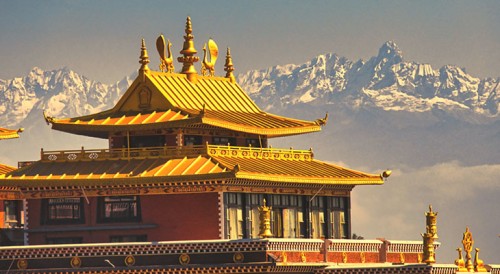
Recommended - Boutique Hotel in Thamel, Kathmandu

Charming Newari Heritage Hotel in central Kathmandu, with a rooftop restaurant for stunning valley views.
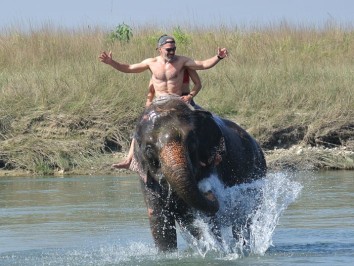
Everest Boutique Hotel
footer graphic

We are associated with

Acceptable payments

Find & Follow Us on

© 2011 - 2026 All rights reserved. Mountain Mart Treks & Expedition. Developed By: Xenatech Nepal.