Adventure Trekking Company in Nepal
Govt. Regd. No: 45663872
Mountain Mart
Treks & Expedition
24 Hours Support
Call: +977-9851082484
         +977-9841680621
Email: info@mountainmarttreks.com
"Together for Adventure"

Home » Destinations » Nepal » Trekking » Dolpo Region » Beni-Lower Dolpo Trek

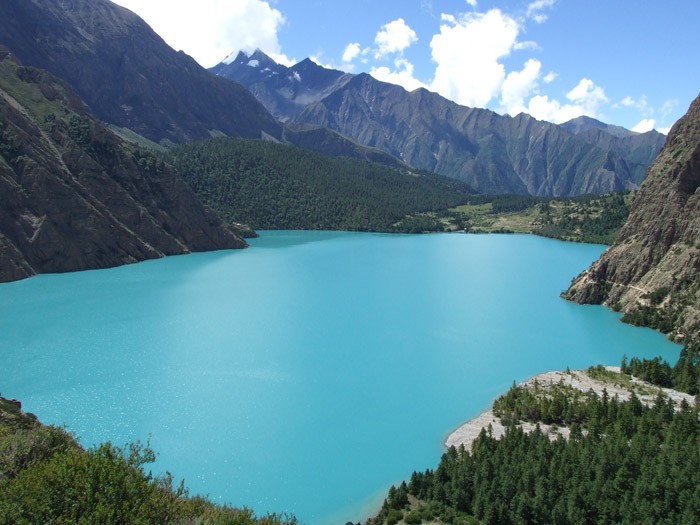
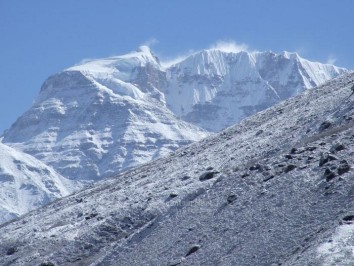
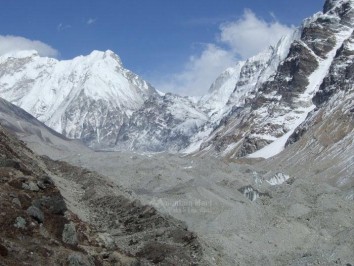
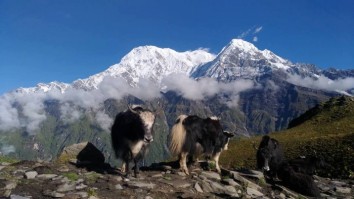
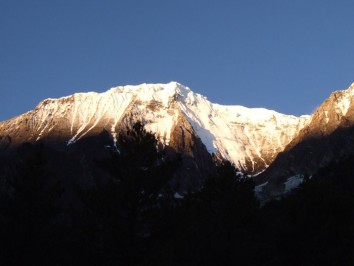
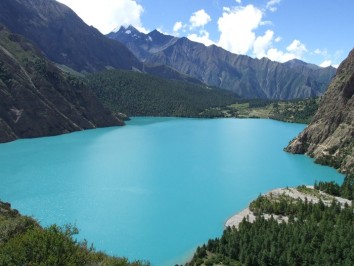
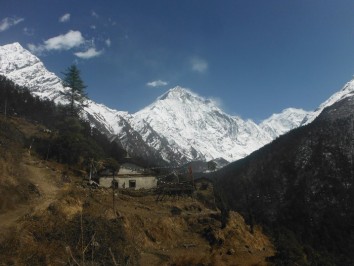
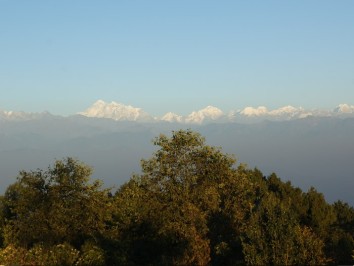
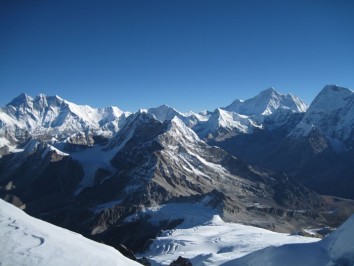
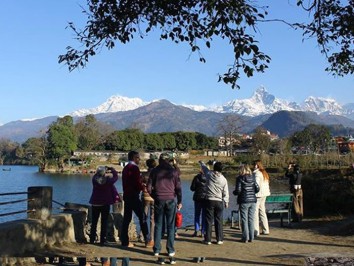
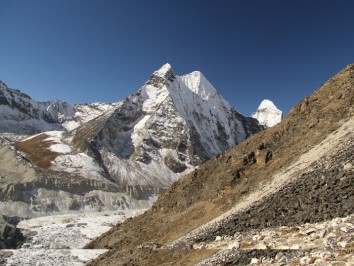
Dhaulagiri vewPhoksundo Lake  in Dolpo Region Local village on the way Beni to Dolpo

Beni - Lower Dolpo Trek

  • Overview
  • Cost Info
  • Detailed Itinerary
  • Fixed Departure
  • Trip Info

Beni to Dolpo Trek in the Kali Gandaki Valley across the Dhaulagiri Range into Lower Dolpo offers a fascinating insight into the effects of mountains on the monsoon . 

The Dhaulagiri trail climbs numerous ridges linking ancient Hindu farming communities. It crosses four passes, in the front of the range and goes through the Dhorpatan Hunting Reserve. Forests include pine, birch, cypress, rhododendron, oak, walnut and bamboo.

The Panidal La pass crosses the Dhaulagiri Himal into the rain shadow region of Lower Dolpo. The vegetation becomes drier and the tree line is reached as the path rises towards the stacked houses of Tarakot. 

The Beni Lower Dolpo trekking path joins an ancient, still used, trade route to Tibet and gradually climbs to the large village of Do in the prosperous Tarap Valley. Lower and Upper Dolpo have been inhabited by peoples from Tibet for thousands of years. The early animistic Bön religion is still widely practiced with elements having been absorbed by Buddhism, and vice versa. Numerous Gompas of each can be explored in the Tarap Valley. 

At the end of the valley, the trail turns west to climb, over two days, two high passes with wonderful vistas and spectacularly scenic intervening valleys, before dropping down to the village of Ringmo and the turquoise glacial Phoksundo Lake. A lack of oxygen in the water precludes aquatic life. There is a day to explore the village, the monastery on the lake and walk along the western cliff-side trail towards Shey.Two easy days of trekking lead to the village of Juphal, Dolpo’s airport, for a flight to Nepalgunj in the steamy south-west near the Indian border – and your flight back to Kathmandu.

Sturdy boots, warm/waterproof clothing, a good sleeping bag, day pack, camera, sunscreen and hat are essential items.

We offer both camping and tea house trek to this region. Our Beni Lower Dolpo trekking package includes transport, your guide, chef, local porters, meals, sturdy tent accommodation, and safe drinking water. Spring (March - May) and autumn (September - November) are the best months to trek, but we offer this trek in all four seasons. 

Outline Itinerary:

Day 01: Arrive Kathmandu (1,300m/4,264 ft)

Day 02: Kathmandu valley sightseeing & trek preparation (1,300m/4,264 ft)
After breakfast, day will start our guided trip to cultural world heritage sites in Kathmandu valley

Day 03: Kathmandu – Beni (830 m/2731 ft) 25 min flight and 3-4 hrs drive

Day 04: Beni - Tatopani (1000m/3280ft) 5-6 hrs

Day 05: Tatopani - Dharapani (1565m/5134ft) 5-6 hrs

Day 06: Dharapani to Muri (2670m/8758ft) 5-6 hrs

Day 07 : Moreni – Jaljala La (3390m/11120ft) 4-5 hrs.

Day 08: Jaljala La – Dhorpatan village (2860m/9380ft) 6-7 hrs

Day 09: Dhorpatan – Thakur (3190m/10463ft) 6-7 hrs

Day 10: Thakur – Tatopani (2400m/7872ft) 6-7 hrs

Day 11: Tatopani – Dhule (3340m/10955ft) 4-5 hrs

Day 12: Dhule – Seng Khola (3820m/12530ft) 4-5 hrs

Day 13: Seng Khola – Purpang (4270m/1405ft) 5-6 hrs

Day 14: Purpang – Tarakot (2450m/8036ft) 6-7 hrs

Day 15: Tarakot – Laini (3160m/10364ft) 5-6 hrs.

Day 16: Laini – Nawarpani (3545m/11628ft) 4-5 hrs

Day 17: Nawarpani – Do Tarap (4080m/13382ft) 5-6 hrs

Day 18: Day explore and acclimatization in Do Tarap.

Day 19: Do Tarap – Numala Base Camp (4460m/14628ft) 4-5 hrs.

Day 20: Numala base camp - Bagala Phedi (4465m/14645ft) 5-6 hrs

Day 21: Bagala Phedi – Cross Bagala(5179m/16988ft) - Dojak Tang (3820m/12530ft) 5-6 hrs

Day 22: Dojak Tang – Phoksundo Lake (3620m/11874ftft) 3-4 hrs

Day 23: Rest day in Phoksundo Lake and explore around Ringmo village.

Day 24: Phoksundo Lake – Chepka (2670m/8758ft) 6-7 hrs

Day 25: Chekpa – Juphal (2320m/7601ft) 5-6 hrs.

Day 26: Juphal – Nepalgunj by plane and connect flight to Kathmandu and transfer to Hotel.

Day 27: Departure

Transfer to international airport and fly to onward destination.

                  "OR"

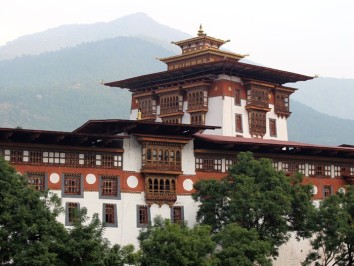
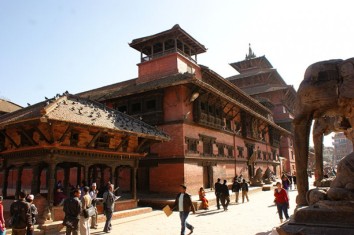
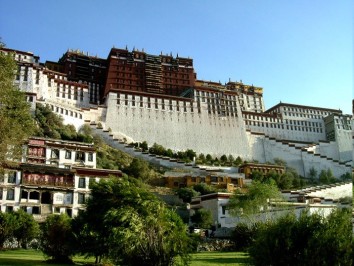
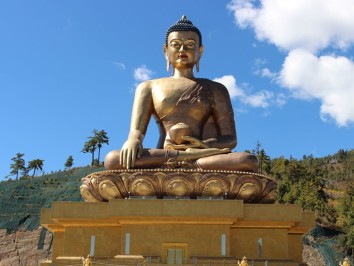
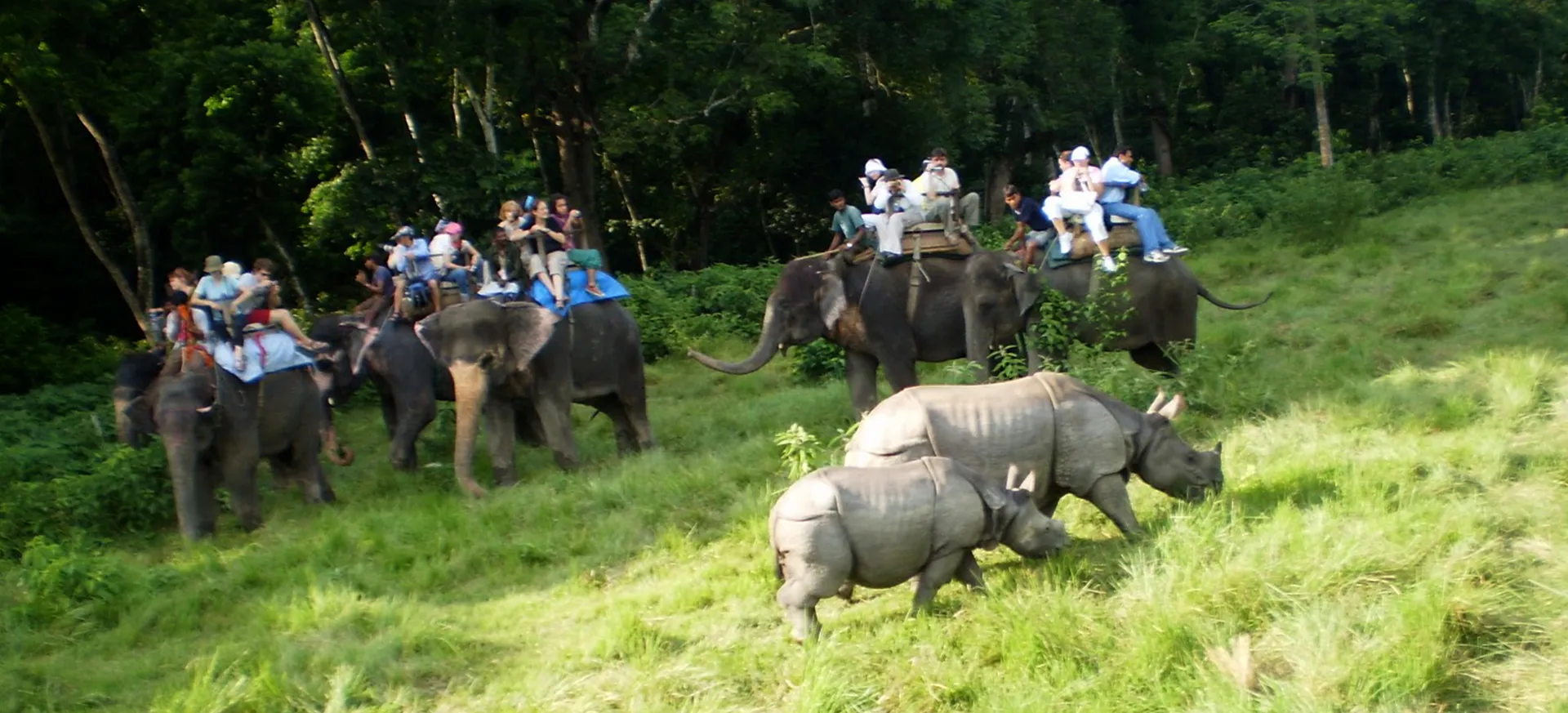
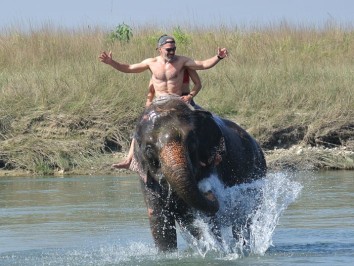
For more fantastic ideal trip to extend your valued holiday in Nepal, from riding elephant in Chitwan to tours in Tibet and Bhutan, please browse our trip extension.

Cost Includes:

  • All airport/Hotel transfers
  • 2 star Hotel in Kathmandu for 3 nights on BB Plan
  • City tour by private transport
  • Welcome and farewell dinner
  • Full meals (Breakfast, Lunch & Dinner) during the trek
  • Hot drinks (Tea & Coffee)
  • All mountain accommodation
  • flight Kathmandu/Pokhara/Beni/Juphal/Nepalgunj/Kathmandu
  • An experienced English-speaking trek leader (Govt. registered trekking guide), assistant trek leader (4 trekkers: 1 assistant guide) and Sherpa porters to carry luggage (2 trekkers: 1 porter)
  • Guide & porter salary, insurance, equipment, flight, food and lodging
  • All necessary paper work and permits ( Lower Dolpa Restricted Area Permit ,Dhorpatan Hunting reserve Permit )
  • A comprehensive medical kit
  • All government and local taxes
  • Trekking equipment such as four season down jacket, sleeping bag, trekking boots, rain coat, walking stick and many more as per necessity

Cost Exclusive:

  • Bottle drinks
  • City monument fees 
  • Personal expenses
  • Lunch & Dinner in Kathmandu
  • Travel insurance & evacuation

Day 01: Arrive Kathmandu (1,300m/4,264 ft)

Our MMT(Mountain Mart treks) Airport Representative will be there to greet you outside the Terminal Hall (after you have completed passport, immigration and visa requirements). He will be displaying our Treks & Expeditions logo with your name on it. You will then be transferred to your hotel. Afternoon free.  Evening: a welcome dinner, hosted by our management team, to introduce you to your guide, brief you on the trek and check on necessities.

Day 02: Kathmandu Valley sightseeing & and trek preparation (1,300m/4,264 ft)

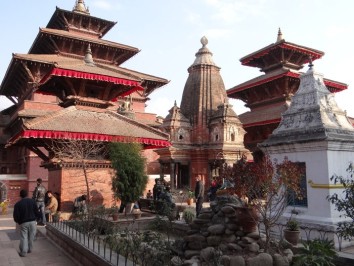
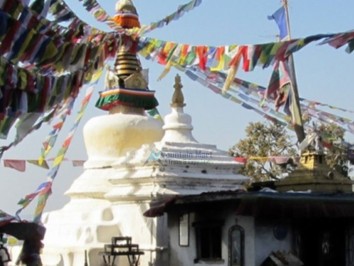
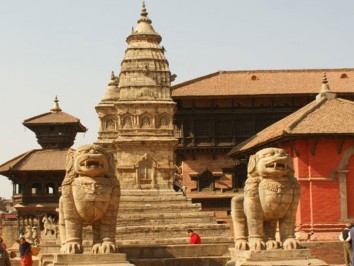
After breakfast, your day will start with city trip to cultural world heritage sites in the Kathmandu Valley. such as,This includes the pilgrimage sites of the Hindu s Temple Pashupatinath; the world’s biggest Stupa at Bouddhanath; and visit the Swoyambhunath Stupa - also known as the monkey temple. After exploring the surrounding areas, we visit the historical Patan Durbar Square & and Kathmandu’s Durbar Square (Freak Street) with its temple, unique ancient art, architecture s, museum and Kumari (living goddess). Evening meeting for per-trip counseling to ensure you have all necessary trekking gear, medical kit and legal requirements (including permits, TIMS and etc.).

                       "OR"

Day at leisure, to follow your own interests.

Day 03: Kathmandu – Beni (830 m/2731 ft) 25 min flight and 3-4 hrs drive

Fly to Lake City Pokhara in the morning with Himalayan tranquility and drive to Beni. 82 KM (3-4 hrs) drive. There is a possibility of express overland drive direct to Beni via Pokhara which takes 9–10 hrs. It’s a scenic overland drive with fantastic view of Himalayas through the many rivers, terraced paddy field and countryside villages, finally brings you Beni. Overnight in Hotel.

Day 04: Beni - Tatopani (1000m/3280ft) 5-6 hrs

Our trek begins from today.Head toward Myagdi khola. Cross the suspension bridges. Pass by the villages of Mangalghat, Singa and to Tatopani (Hot spring) Enjoy the Hot Spa and overnight stay in the campsite.

Day 05: Tatopani - Dharapani (1565m/5134ft) 5-6 hrs

Tonight you will camp in Dharapani 1565m, and the Dhaulagiri is no more so far. Today, our trail crosses the terraced hills along the untraffic off road to Shahashadhara village cross Dudh khola and climb steeply Ratoranga village then reaches Dharapani and spend a night in campsite.

Day 06: Dharapani - Moreni (2670m/8758ft) 5-6 hrs

After breakfast, trail continues up above the village to round a crest at 1630m offers glorious view of Mt. Nilgiri and Dhaulagiri. Climb over a ridge at 1840m, perfect view of Myagdi river valley. The trail climbs gently alongside the Dhara Khola’a true left bank to a suspension bridge in front of an impressive waterfall. A nice renovated trail ascent to a larger Magar village Lumsum. The route climbs steeply and pass a deserted teas-shop and through apple orchid and scattered houses to Moreni. Overnight stay in camp.

Day 07: Moreni – Jaljala La (3390m/11120ft) 4-5 hrs.

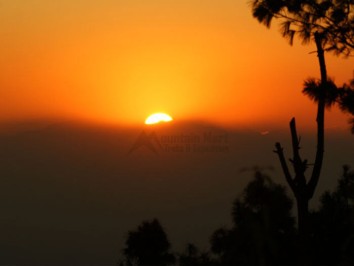
Climb through burned forest to the herders then continue up the ridge through forest of rhododendron inhabited by langur monkey. It’s al long unrelenting climb to a notch at 3350m. the trail climbs a bit further to a crest then countersto the right under the prayer flags to the large meadow at Jaljala La, fringed by rhododendron forest. The sunset and sunrise view from here is one of the best in Nepal, stretching across the entire Dhaulagiri (8167m) massif from 7246 Purtha Himchuli 7061m Nilgiri and the Annapurna range. Overnight stay in camp.

Day 08: Jaljala La – Dhorpatan village (2860m/9380ft) 6-7 hrs

Today's  trail continues across the plateau, past greater Dhaulagiri views to a second meadows, which offer an alternative campsite. From here, trail descends past stone hut and herders hut then cross three wooden bridges to the junction of two streams. Follow the stream and pass another herder huts, pine forest then bring s you wide open valley Gurjaghat. Continue flat trail to chyantu the first village of Dhorpatan. Follow the scattered houses of Bagatar and Baglung to Dhorpatan village inhabited by about 300 Tibetan refugees, many Magars and Chhetris. Overnight stay in camp.

Day 09: Dhorpatan – Thakur (3190m/10463ft) 6-7 hrs

From Dhorpatan,  we begin the second phase of the trek and venture north into the largely uninhabited wilderness. Today is hard but scenic day of the trek. Trail climbs above the valley floor, branching right after 25 minutes up to a collection of houses. The trail climbs diagonally to he false summit and continues climbing to crest and herder hut at 3510m. From crest there are views of Phagune dhuri pass far head. The trail crosses the treeline and enters rough wilderness landscape , eventually cross Phagune Dhuri at 4061m offers fabulous view of Churen Himal range and Putha Himchuli(7246m) ‘the butter fly’ mountain. From the pass the trail leads passing small campsite and enters into forest the drops to the riverbed of hidden valley Thakur. Overnight stay in camp.

Day 10: Thakur – Tatopani (2400m/7872ft) 6-7 hrs

The route now leads west down the Ghatlang valley through a dim and mossy forest of fir and oak. Cross the wooden bridge and trail climbs steeply to Ghatlang village the trail climbs along the hillside and finally emerge a ridge at 3140m. Follow the ridge also known as Selep Danda continue making up and down to Khalim at 2890m on the hill top. The trail drops steeply over root and through overgrown forest, eventually the path becomes clearer and makes a long descends to Jhatlung Khola, cross the bridge and short walk arrives a valley junction Tatopani. Overnight stay in camp.

Day 11: Tatopani – Dhule (3340m/10955ft) 4-5 hrs

Our trail cross the Pelma Khola on bridge and climb steeply for 20 and then winds northwest around the hillside. Eventually , you pass the towering terraced field of Hima village and out of side valley to arrive at the large village of Gulbang. After Gulgang the trail swings left and climbs out of the Pelma Khola valley . It’s a long grind up through field over the side stream and into a steep routed gully of rhododendron trees. Finally, crest a pas and short walk to Dhule. Overnight stay in camp.

Day 12: Dhule – Seng Khola (3820m/12530ft) 4-5 hrs

Today's trail climbs steeply through the moss draped forest above Dhule top of the ridge and then continues to climb along the ridge. Trail gradually climbs through the ridge but this time above the tree line through the scenery reminiscent Scottish highland, where outstanding view of Dhaulagiri to the east. The trek continues ascending to Nautale Bhanjyang at 3961m and descend steeply toward Seng Khola valley a tributary of Pelma Khola. Trail continues along the west bank of river climbing gradually to the campsite of Seng Khola. Overnight in campsite.

Day 13: Seng Khola – Purpang (4,270m/14,005ft) 5-6 hrs

Our trail west leads gradually leads to ridge crest at 4,260m.We continue into another side valley and traverse above a small lake. The route climbs gradually toward Panidal La 4530m, and drops another alpine basin, keep heading down to the valley floor. Cross the stream and campsite is about 15 minutes walk to a meadow ridge. Overnight at the camp site.

Day 14: Purpang – Tarakot (2,450m/8,036ft) 6-7 hrs

Trail starts climb right from campsite to mini pass marked by two rocks and traverse in to he next valley grassy meadow where people from Tarakot and nearby villages graze their horses and, follow a stream to the foot of the pass. The trail climbs a sandy, rocky ravine to five rock cairns atop Jangla Bhanjyang at 4540m. Our trail descends steeply from the pass for first 400 meters, then it level out and make a high traverse. Round the ridge into the next valley for the view of sacred Mt Puth and descends steeply to the forest and eventually brings you to upper Shahar Tara. Trek passes through the village following corn and millet field toward Bheri River based our final destination Tarakot. Overnight stay camp.

Day 15: Tarakot – Laini (3,160m/10,364ft) 5-6 hrs.

Cross the stream and climb gently through pink fieldof flowering buckwheat . Detour south into a side valley with view of Putha Himal (Butterfly Mountain), cross the steam and climb to the south ridge. The trail stays mostly high above the river, past cypress trees and a white chorten to a 120 meters long suspension bridge Laisicap at 2600m. Trek continues through cedar forest as the valley walls starts to close in. Three sided tunnels are blasted are blasted out of the rock through the steepest part of the gorge, as the river drops steeply (600m in only 3km) alongside the trail. The gorge finally starts to widen near Laini, a small meadow at 3260m. Overnight stay in camp.

Day 16: Laini – Nawarpani (3,545m/11,628ft) 4-5 hrs

After short flat walk the trail climbs a cliff and switchback to a mini pass marked by prayer flag at 3540m. The trail then makes a dramatic and highly enjoyable high traverse through the gorge. Climb one more ridge before descend Chyugur Khola a small campsite beside the river. Cross the suspension bridge to the river’s true and after 20 minutes pass a side stream Chaya Khola to another potential camp spot beside the cave. Cross the suspension bridge to the true right bank. Where there are no monsoon flows you can avoid a climb here by following the riverside trail before arriving at Nawarpani. Overnight say in camp.

Day 17: Nawarpani – Do Tarap (4,080m/13,382ft) 5-6 hrs

As the gorge meadow cross to the true left bank over an ancient –looking bridge and pass a small cave and camp site to climb a thrilling section of trail chiseled out of the sheer rock face. The trail then recourses the Tarap Chu on a wooden cantileverbridge of Taltole. The route crosses the Tarap chu on avery short bridge after passing the narrow slot canyon. Climb on the east bank through a classic eroded Trans-Himalayan landscape to a chorten of Sekham. Thetrail is rocky as it traverse beneath cliff to a bridge at 3920m. Keep walking through the riverbed wide-opened valley passing mani walls to our final destination Do Tarap. Overnight stay in camp.
Day 18: Day explore and acclimatization in Do Tarap.

The name Tarap refers to the entire region. The correct name of the village is Do meaning ‘lower end of the valley’ in Tibetan, but most local people refers to the village as Do Tarap. It consist of several cluster of closely packed some houses and corrals, surrounded by fields of ‘Naked barley The Ribo Bhumpa Gompa above the village was rebuilt in 1955, beside it is unique chorten in a chorten containing the remains of a demon killed by Guru Rinpoche. The painting inside the chorten represents both Bonpo and Nyingma traditions, although the Gompa itself is Nyingma. The view over the valley is superb. For leisurely half day excursion head east up to the valley to Dero Gompa and Shipchok Gompa a school of Bonpo. Overnight stay in Do Tarap .

Day 19: Do Tarap – Numala Base Camp (4460m/14628ft) 4-5 hrs.

Head west out of Do Tarap, leaving the village through its impressive social sites. After about 20 minutes a side footpath climbs for 30 minutes to the country old Mekyem Gompa which features a large statue of Jampa (Maltreya Buddha) The trail continues to Gekar(white mountain) village and the dorje Phurba Gompa. The route passes the To k-kyu village and rises toward a stream, cross and climb steeply barren hills following the pass however, actual pass is out of view. Traverse the ridge to a little stream where a small campsite of Numala. Overnight in camp.

Day 20: Numala base camp - Bagala Phedi (4465m/14645ft) 5-6 hrs

The route is fairly obvious, dipping a high glacial bowat 4960 m; before crossing a small stream and making a long climb up to moraine. The trail leads to steep climb all the way to the top ridge of Numa la (5290m) with great views of the surrounding landscapes. An incredible panoramic view of the barren mountains of Dolpo up to the Dhaulagiri (8167m) descend from the pass into scenic U-shaped rocky valley to the stream. Cross the stream and walk round the ridge into another valley to meadow campsite of Bagala Phedi. Overnight stay in campsite.

Day 21: Bagala Phedi – Cross Bagala(5179m/16988ft) - Dojak Tang (3820m/12530ft) 5-6 hrs

Today's trail cross the steam, then switchbacks up a slope to a small meadow known as high camp. The trail then, hits the snowline and climb a ridge to offer fine view of Mt. Norbu king before, ascending a lage moraine marked by chorten. The trail arcs gently around the bowl, eventually end up on the pass Baga La at 5179m. Here is fabulous view of distant snow capped peaks of Kanjirowa Himal range, after a glorious moment on the pass, descend steeply at first and more gently staying on the high above right bank of the stream. At 4390m, the trail turns a corner and enters a huge valley. making a final descent on steep switchback to prayer flag meadow Dojak Tang. Overnight stay in camp.

Day 22: Dojak Tang – Phoksundo Lake (3620m/11874ftft) 3-4 hrs

Follow a trail down past view of Mt. Sonam king and collection of five herders huts. Travers high above the river through groves of thorny shrubs, juniper and blue pine (the first trees in five days) in to a huge valley topped by the distance snowy range of Kagmara Lekh. After an initial descent the trail climbs on an exposed ,built-up Cliffside trail. You can see village of Ringmo on the left and the trail descends gently through the blue pine forestto the chorten and barley fields of Ringmo village at 3640m. From here it’s 10 minutes walk to the shores of stunning Phoksundo Lake. Overnight stay in camp.

Day 23: Rest day in Phoksundo Lake and explore around Ringmo village.

It’s nice to have easy rest day after 5 days high passes and long walk. Explore Ringmo village and visit white Thasung Chholing Gompa. The Phoksundo Lake is surreally spectacular. It’s 4.8km long, 108km wide and said to be 650m deep, making it Nepal’s deepest Lake. It is famed for its intense aquamarine color- a miraculous greenish blue likened to Yu or Tibetan turquoise. If you have more energy, you can walk left bank of the lake upward lake source. Overnight stay in camp.

Day 24: Phoksundo Lake – Chepka (2670m/8758ft) 6-7 hrs

After breakfast, trail makes a descent cross a stream then ascends gradually along the birch and Chir pine forest to a hillside and drops steeply with the superb view of the highest waterfall 200 m to the river gorge. Follow the downstream of the river right side and left side equally. Finally trail encounters with slightly opened warmer settlement Chekpa. Overnight stay in camp.

Day 25: Chekpa – Juphal (2320m/7601ft) 5-6 hrs.

Our trail still follows the river downstream to Sulighat, cross the suspension bridge and pass military camp then another suspension bridge brings you to prime beginning Dunai route. Leave untrafic road and ascend through the typical Juphal village to get our campsite right beneath the runway. Overnight in camp.

Day 26: Juphal – Nepalgunj by plane and connect flight to Kathmandu and transfer to Hotel.

See of our porters and take morning flight with the breathtaking view of Mt. Putha (butterfly mountain) over Bheri River to Nepalgunj and connect flight to Kathmandu. Transfer Hotel and free afternoon.

Day 27: Final Departure

Transfer to international airport and fly to onward destination.

                  "OR"

For more fantastic ideal trip to extend your valued holiday in Nepal, from riding elephant in Chitwan to tours in Tibet and Bhutan, please browse our trip extension.

Departure Dates for Beni - Lower Dolpo Trek

For departure dates and other informations please Contact Us

Body wear:

T-shirt, long sleeve, half pant, long trouser, warm Jacket, fleece Jacket, Gore-tax windproof Jacket & trouser, warm trouser, rain Jacket, sleeping bag, down jacket

Head wear:

Sun hat, woolen hat/fleece hat, sunglass & scat

Hand wear:

Gloves

Foot wear:

Warm woolen socks, trekking boots & sandal

Accessories:

Personal toiletries, personal first aid kit, sun block, lip guard, shampoo, soap, shavers, moisturizer, passport copies, pocket knives, flash light, camera & film, tawel, water bottle, music & books.

What you carry for the trek:

Please, bring the equipment listed above and pack your gear for the trek into a duffel bag or rucksacks, and small day bag for you. The larger bag with your kit will be carried by the porter to meet you each evening. You should bring a day pack to carry by yourself for water, rain jacket, hat gloves, camera money etc. The weather in mountain is changeable so you will need some warm cloths with you on your day pack.

What to do about the left over baggage:

One day before your departure for the trek you could leave the valuable things which you do not need on the trek such as passport, visa card, flight tickets, in our safety box, and the rest of the things you could store it in our store room.

What is a tea house trek? Accommodation and food facilities!

Tea house trek mean staying and eating in the local lodges. We stay in double room, rooms are basic but comfortable mattress, normally just a bed and pillow. Most of them have electric light and all have and all have specious dining room –lounge. Mostly in tea houses there are common bathroom. Hot shower also available on the tea- houses but the hot water depend on weather conditions and to pay to get the shower.  We eat at tea- house, though food is usually potential and delicious, menu is not extensive. They offer variety of potato rice and noodle dishes, as well as soup. You could choose food from the menu what you could choose the food from the menu what you would like to have. You would be able to eat the food as much as you like but you would not able to order more than enough and left the food.

Health:

It’s very important not to get sick while you are going on the trek and you need to be careful about what you eat and drink.  You need to stay healthy and avoid getting sick in order to have a successful trek.

Some tips for staying healthy:

Avoid drinking or brushing your teeth with tap water. Drink only sealed bottled or proper boiled water or use water purification tablets. During the trek avoid the temptation to test your fitness through fast walking at altitude.

Medical kit

Your guide will bring normal medical kits with him while on the trek. It is recommended that you also bring a small personal medical kit including pain killers, sore throat, plasters, strapping tape for blisters, etc. If you are taking regular mediation you need to bring those medicine with you and do not forget to bring extra supply if somehow one pack is lost.

The trails:

The trekking trail of Nepal vary from wide, rode-like avenues to narrow, slippery paths built out over enormous drops. In many places, a fall from the trail would be final. One most pay attention at all the time to where you are placing your fact. Be specially  careful not move while looking through the view finder of your camera.

The weather:

Nepal has the wildest altitude range of any country of the earth. Each altitude will have its’ own weather problem, from typical heat to arctic cold. In the main trekking season in the spring and fall, the weather is often stable and even the high passes may be free of snow and relatively easy to traverse at times. Those trekkers who encountered an easy at altitude nasty spread the word that boots and warm clothing are not required. This is a mistake. That sudden storm can occur at any time, dumping one or two meter of snow on the passes. At that point, any one with simple running shoes will not be able to processed and may even be stranded for a number of days. Frostbite is a constant risk if one walks in snow at high altitude.

If you trek in the winter, you most be prepared for cold and snow. If you trek in the monsoon you might be face with slippery trails and difficult rivers crossing. You are heading into the world highest mountain range. Be prepared for changes in temperature and weather.

Altitude and preventing altitude:

Being in a hurry in the mountain of Nepal can be deadly. Acclimatization is the word used to describe the adjustments your body makes as it ascends. Ascend slowly and drinking lots of water is one of the best ways not to get high altitude. You should not plan to go to high altitude if you have know heart disease, difficulty to breathing at sea level or are pregnant. For other chronic medical conditions its better to consult your doctor. Sleeping pills, alcohol, smoking should not be used at altitude as they tend to decrease breathing and lead to Acute Mountain Sickness. It comes that during 3-4 liters of fluids (Water, Soup, etc) per day to avoid dehydration helps in the acclimatization process.

Tipping and cash requirement

On the trekking route do not forget to bring Nepalese rupees for drinks bottled water drinks/alcohol that might purchage on the way. The sum of amount to carry on the trekking route depends on the day and area you are going to trek in. Tipping is now common in Nepal but there is no certain rules how much should be tips and it’s not the must to tip.

Photographing people:

During a trek you will have many opportunities to photograph local people and amazing society. You could usetons of films taking amazing natural scenery but talking the picture of people it’s a good idea to ask before taking. Some people do not like you to take the picture of them. So always ask before taking the pictures.

Considering Environment:

While trekking you have to consider on the environment not to destroy the environment. There are so many ways you could help not to polluted the environment of the area such as pick up papers, film wrappers, burn all your toilet paper and bury your farce, do not make camp fire.

Insurance:

All tour participants should obtain their own personal insurance which covers accidents, health, emergency evacuation and loss or damage to personal effects.


* Trip Cost: Please Contact Us

Trip Length: 27 Days

Activities: Trekking

Difficulty: Moderate/Strenuous

Max Elevation: 5169m/Baga La

Accommodation: Hotel/Tent

Transportation: Ground Transport/Flt

Best Month: February-May / September-December

Group Size: 01 Min/12 Max

Extend your Trip 

For more fantastic ideal trip to extend your valued holiday in Nepal, from

riding elephant in Chitwan

to tours in

Tibet

and

Bhutan

please, browse our 'Trip Extension' 

Quick Contact

verification image, type it in the box

Our Clients Say..

Gokyo trekking with MMT- May 2013

My trek was with Mountain mart Trek starting from Lukla to Gokyo. It was a real experience in all of it forms. The natural sights were incredible; the guide was helpful and well prepared for the trek itself.

+Read More

7 days Poon Hill ABC Trek- May 2013

We are from Hong Kong. We three girls just finished 7 days trekking, including ABC, pooh hill and hot-spring

+Read More