Everest Three High Pass Trek – The Ultimate Himalayan Adventure
The Everest Three High Pass Trek is one of the most thrilling and challenging trekking adventures in Nepal. This spectacular journey takes trekkers deep into the heart of the Everest region, crossing three breathtaking Himalayan passes and offering panoramic views of the world’s highest mountains. If you are looking for the ultimate Everest trekking experience, the Everest Three High Pass Trek delivers unmatched adventure, dramatic landscapes, and authentic Sherpa culture.
This extraordinary trek combines the classic Everest Base Camp route with remote high-altitude passes, glacial valleys, and hidden Himalayan lakes. Organized by Mountain Mart Treks & Expedition, the Everest Three High Pass Trek is perfect for experienced trekkers who want to explore beyond the traditional trails.
Overview of Everest Three High Pass Trek
The Everest Three High Pass Trek crosses three spectacular mountain passes in the Khumbu region:
- Kongma La Pass – 5,535 meters
- Cho La Pass – 5,420 meters
- Renjo La Pass – 5,360 meters
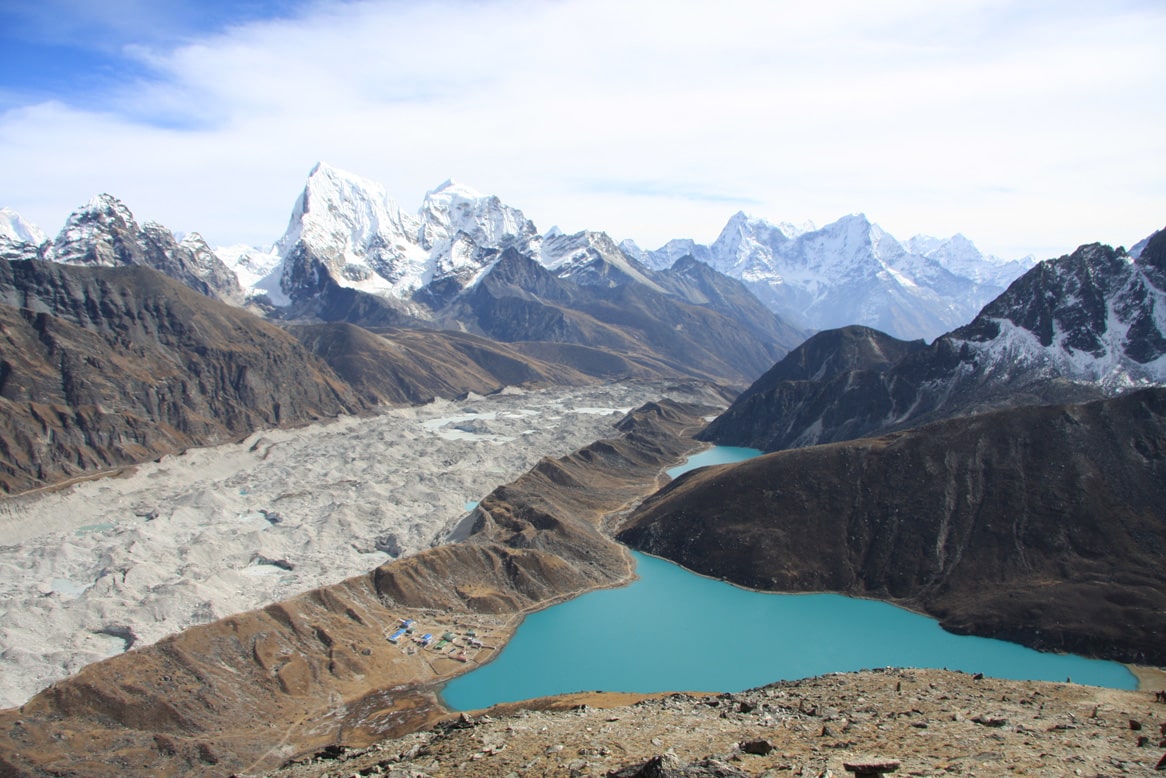
Along the route, trekkers visit legendary destinations such as Everest Base Camp, Gokyo Lakes, and the famous viewpoint Kala Patthar. These locations offer jaw-dropping views of the mighty Mount Everest and surrounding Himalayan giants.
The trek takes place inside the stunning Sagarmatha National Park, a UNESCO World Heritage Site known for its unique mountain ecosystems, glaciers, and Sherpa culture.
Trip Highlights – Everest Three High Pass Trek
| Highlight |
Description |
| Crossing Three High Himalayan Passes |
Conquer the legendary high passes of Kongma La Pass (5,535m), Cho La Pass (5,420m), and Renjo La Pass (5,360m), offering dramatic mountain scenery and thrilling adventure. |
| Everest Base Camp Experience |
Trek to the world-famous Everest Base Camp, the starting point for climbers attempting to summit Mount Everest. |
| Kala Patthar Sunrise Viewpoint |
Witness one of the best sunrise views in the Himalayas from Kala Patthar (5,545m) with close-up views of Everest and surrounding peaks. |
| Stunning Gokyo Lakes |
Explore the beautiful turquoise glacial lakes of Gokyo Lakes, one of the highest freshwater lake systems in the world. |
| Panoramic Himalayan Views |
Enjoy breathtaking views of Himalayan giants including Mount Everest, Lhotse, Makalu, and Cho Oyu. |
| Explore Sagarmatha National Park |
Trek through the UNESCO-listed Sagarmatha National Park, home to glaciers, alpine forests, and rare Himalayan wildlife. |
| Sherpa Culture and Mountain Villages |
Visit vibrant Sherpa settlements like Namche Bazaar and experience local culture, monasteries, and traditional Himalayan hospitality. |
| Adventure Flight to Lukla |
Start your trek with a thrilling mountain flight to Lukla, one of the most famous and scenic airports in the world. |
| Remote and Less Crowded Trails |
Explore hidden valleys and less-traveled trekking routes compared to the classic Everest Base Camp trail. |
| Ultimate Everest Trekking Challenge |
The Everest Three High Pass Trek is considered one of the most adventurous and complete trekking experiences in the Everest region. |
Why Choose the Everest Three High Pass Trek?
The Everest Three Pass Trek is widely considered one of the best trekking adventures in the Himalayas because it offers a complete exploration of the Everest region.
1. Cross Three Iconic Himalayan Passes
Each high pass offers a unique challenge and incredible views. Crossing these passes allows trekkers to experience the Everest region from different perspectives.
2. Experience Everest Base Camp
The journey includes a visit to Everest Base Camp, the starting point for climbers attempting the summit of Mount Everest.
3. Visit the Beautiful Gokyo Lakes
Trekkers also explore the turquoise Gokyo Lakes, one of the most beautiful alpine lake systems in the Himalayas.
4. Explore Authentic Sherpa Culture
You will pass through traditional Sherpa villages like Namche Bazaar, the vibrant gateway to Everest, where trekkers can experience Sherpa hospitality, monasteries, and local traditions.
5. Spectacular Himalayan Views
The trek provides breathtaking views of several 8,000-meter peaks including:
- Mount Everest (8,848.86m)
- Lhotse (8,516m)
- Makalu (8,485m)
- Cho Oyu (8,188m)
Everest Three High Pass Trek Route
The adventure usually begins with an exciting mountain flight from Kathmandu to Lukla, one of the most famous airports in the world.
From Lukla, trekkers follow the classic Everest trail through the Dudh Koshi Valley toward Namche Bazaar, the main trading hub of the Khumbu region. After acclimatization, the trek gradually leads into more remote valleys and over the three spectacular high passes.
Typical trekking highlights include:
- Lukla
- Phakding
- Namche Bazaar
- Tengboche Monastery
- Dingboche
- Everest Base Camp
- Kala Patthar viewpoint
- Kongma La Pass
- Cho La Pass
- Gokyo Lakes
- Renjo La Pass
Each section of the trek reveals dramatic landscapes including glaciers, snow-covered passes, alpine valleys, and breathtaking Himalayan panoramas.
Trek Difficulty
The Everest Three High Pass Trek is considered challenging and physically demanding. It requires:
- Good physical fitness
- Previous trekking experience
- Ability to walk 6–8 hours per day
- Proper acclimatization for high altitude
However, with proper preparation and experienced guides from Mountain Mart Treks & Expedition, the trek becomes a safe and unforgettable adventure.
Best Time for Everest Three High Pass Trek
The best seasons for the trek are:
Spring (March – May)
- Clear skies and stable weather
- Blooming rhododendron forests
- Excellent mountain views
Autumn (September – November)
- Best visibility of the Himalayas
- Pleasant trekking temperatures
- Popular trekking season
Winter and monsoon seasons are possible but more challenging due to snow and weather conditions.
Accommodation and Food
Throughout the trek, accommodation is provided in traditional teahouses or mountain lodges. These lodges offer comfortable rooms and warm meals after long trekking days.
Trekkers can enjoy a variety of food options including:
- Nepali Dal Bhat
- Tibetan bread
- Noodles and soups
- Pasta and rice dishes
- Tea, coffee, and hot drinks
The hospitality of the Sherpa people makes the experience even more memorable.
Permits Required
Trekkers must obtain the following permits:
- Sagarmatha National Park Entry Permit
- Khumbu Pasang Lhamu Rural Municipality Permit
Mountain Mart Treks arranges all permits as part of the trekking package.
Everest Three High Pass Trek Packing List (SEO Optimized)
Proper packing is essential for a safe and comfortable journey on the Everest Three High Pass Trek. Since this trek crosses high-altitude passes like Kongma La Pass, Cho La Pass, and Renjo La Pass, trekkers must be prepared for cold weather, snow, and changing mountain conditions.
| Category |
Item |
Description |
| Clothing |
Down Jacket |
Warm insulated jacket suitable for temperatures below freezing. |
| |
Waterproof Jacket |
Windproof and waterproof outer layer for snow and rain. |
| |
Trekking Pants |
Lightweight and quick-dry trekking pants. |
| |
Thermal Base Layers |
Essential for warmth during cold nights and high passes. |
| |
Fleece Jacket |
Mid-layer for insulation during trekking. |
| |
Trekking Shirts |
Moisture-wicking shirts for comfort while hiking. |
| |
Warm Hat / Beanie |
Protects against cold winds at high altitude. |
| |
Sun Hat / Cap |
Protects from strong mountain sun. |
| |
Gloves (Inner + Outer) |
Insulated gloves for cold temperatures. |
| |
Trekking Socks |
Wool or thermal socks for warmth and comfort. |
| Footwear |
Trekking Boots |
Waterproof, sturdy boots suitable for rocky and snowy trails. |
| |
Camp Shoes |
Comfortable shoes or sandals for evenings at the lodge. |
| |
Gaiters |
Helpful for snow or muddy trail conditions. |
| Trekking Gear |
Backpack (30–40L) |
Daypack for carrying essentials during the trek. |
| |
Duffel Bag |
Carried by porters for your main trekking gear. |
| |
Trekking Poles |
Helps with balance on steep ascents and descents. |
| |
Sleeping Bag |
Rated for -10°C to -20°C for high-altitude trekking. |
| Accessories |
Sunglasses (UV Protection) |
Essential for protection against snow glare. |
| |
Headlamp |
Useful for early morning hikes and evenings. |
| |
Water Bottles / Hydration System |
Carry at least 2 liters of water. |
| |
Water Purification Tablets |
For safe drinking water during the trek. |
| |
Power Bank / Solar Charger |
Charging options are limited in mountain lodges. |
| Health & Safety |
First Aid Kit |
Include bandages, pain relievers, and personal medicines. |
| |
Altitude Sickness Medication |
Recommended for high-altitude trekking. |
| |
Sunscreen (SPF 50+) |
Protects skin from strong UV rays at altitude. |
| |
Lip Balm with SPF |
Prevents cracked lips in cold and windy conditions. |
| Documents |
Passport |
Required for trekking permits. |
| |
Travel Insurance |
Must cover high-altitude trekking up to 6,000m. |
| |
Trekking Permits |
Entry permits for Sagarmatha National Park and the Khumbu region. |
Preparation for the Trek
To enjoy the Everest Three High Pass Trek safely, trekkers should prepare well in advance.
Recommended preparation includes:
- Cardiovascular training (running, hiking, cycling)
- Strength training and endurance exercises
- High-quality trekking gear
- Travel insurance covering high altitude trekking
Acclimatization days are essential to prevent altitude sickness.
Why Trek with Mountain Mart Treks & Expedition?
Choosing the right trekking company ensures a safe and enjoyable experience.
Mountain Mart Treks & Expedition offers:
- Experienced local trekking guides
- Carefully designed itineraries
- Safety-focused trekking support
- Comfortable accommodations and meals
- Excellent customer service
With their professional team, you can fully enjoy the adventure while they take care of logistics and safety.
FAQ – Everest Three High Pass Trek
1. What is the Everest Three High Pass Trek?
The Everest Three High Pass Trek is one of the most adventurous trekking routes in Nepal. It crosses three high mountain passes in the Everest region—Kongma La Pass, Cho La Pass, and Renjo La Pass—while also visiting famous destinations like Everest Base Camp and Gokyo Lakes.
2. How difficult is the Everest Three High Pass Trek?
The trek is considered challenging and physically demanding because it involves high altitude, long trekking days, and crossing mountain passes above 5,000 meters. Good physical fitness, previous trekking experience, and proper acclimatization are highly recommended.
3. How many days does the Everest Three High Pass Trek take?
Most itineraries for the Everest Three Pass Trek take 19 days, depending on acclimatization days, weather conditions, and trekking pace.
4. What is the highest point of the Everest Three High Pass Trek?
The highest point of the trek is Kongma La Pass at 5,535 meters (18,159 ft), which is the highest of the three passes.
5. When is the best time to do the Everest Three High Pass Trek?
The best seasons for trekking are:
- Spring (March – May) – Clear skies, blooming rhododendrons
- Autumn (September – November) – Stable weather and excellent mountain views
Winter and monsoon seasons are less popular due to snow and unpredictable weather.
6. Do I need a guide for the Everest Three High Pass Trek?
While experienced trekkers can trek independently, hiring a licensed guide is strongly recommended for safety, navigation, and local knowledge, especially when crossing high passes and glaciers.
7. What permits are required for the Everest Three Pass Trek?
Trekkers need the following permits:
- Sagarmatha National Park Entry Permit
- Khumbu Pasang Lhamu Rural Municipality Permit
Most trekking agencies arrange these permits before the trek.
8. How high is Everest Base Camp on this trek?
Everest Base Camp is located at 5,364 meters (17,598 ft) above sea level.
9. What accommodation is available during the trek?
Trekkers stay in teahouses and mountain lodges along the route. These lodges provide basic but comfortable rooms and serve meals such as Nepali dal bhat, noodles, soups, pasta, and hot drinks.
10. Is altitude sickness a risk on the Everest Three High Pass Trek?
Yes, altitude sickness can occur because the trek reaches elevations above 5,000 meters. Proper acclimatization, hydration, and slow trekking pace are essential to reduce the risk.
11. What mountains can I see during the trek?
Trekkers enjoy breathtaking views of several Himalayan giants including:
- Mount Everest (8,848.86m)
- Lhotse (8,516m)
- Makalu (8,485m)
- Cho Oyu (8,188m)
12. How do I get to the Everest Three High Pass Trek starting point?
The trek usually starts with a scenic flight from Kathmandu to Lukla, which is the main gateway to the Everest region.
13. Is the Everest Three High Pass Trek worth it?
Yes, the Everest Three Pass Trek is considered one of the most complete trekking experiences in the Himalayas, combining high mountain passes, Everest Base Camp, Gokyo Lakes, glaciers, Sherpa culture, and breathtaking Himalayan scenery.
Final Thoughts
The Everest Three High Pass Trek is not just a trek—it is a once-in-a-lifetime Himalayan adventure. Crossing three spectacular passes, visiting Everest Base Camp, exploring the magical Gokyo Lakes, and experiencing Sherpa culture make this trek one of the most rewarding journeys in Nepal.
For trekkers seeking challenge, adventure, and breathtaking mountain scenery, the Everest Three High Pass Trek is truly unforgettable.
✅ Ready for the ultimate Everest adventure?
Join Mountain Mart Treks & Expedition and discover the breathtaking beauty of the Himalayas.