Gokyo Lakes Trek 14 Days – A Complete Guide to the Himalayan Hidden Paradise
If you are dreaming of turquoise glacial lakes, panoramic views of Mount Everest, and peaceful trails away from crowded trekking routes, the Gokyo Lakes Trek 14 Days is one of the best adventures in Nepal. Organized by Mountain Mart Treks & Expedition Pvt. Ltd., this trek offers a perfect blend of natural beauty, cultural experiences, and high-altitude adventure in the heart of the Himalayas.
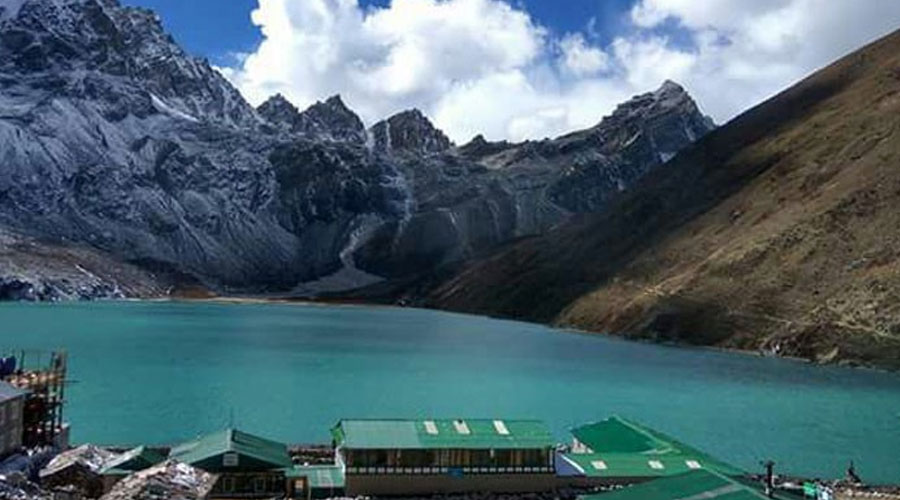
Located in the stunning Everest Region, the Gokyo Lakes Trek takes you through traditional Sherpa villages, beautiful alpine valleys, and the famous chain of turquoise glacial lakes. Unlike the busy trail to Classic Everest Base Camp, this route offers a quieter and more scenic trekking experience with breathtaking views of Everest, Lhotse, Makalu, and Cho Oyu.
Why Choose the Gokyo Lakes Trek?
The Gokyo Lakes Trek is considered one of the most beautiful trekking routes in the Everest region. Instead of following the standard Everest Base Camp trail, this route leads you toward the spectacular Gokyo Valley, home to the highest freshwater lake system in the world.
Trekkers are rewarded with incredible landscapes including massive glaciers, emerald lakes, dramatic Himalayan peaks, and authentic Sherpa culture. One of the biggest highlights is climbing Gokyo Ri (5,357m), which offers one of the most spectacular panoramic views in the entire Himalayas.
Highlights of the Gokyo Lakes Trek
- Explore the stunning chain of Gokyo Lakes, the highest freshwater lakes in the world
- Hike to Gokyo Ri (5,357m) for incredible views of Mount Everest and surrounding peaks
- Walk alongside the massive Ngozumpa Glacier, the longest glacier in Nepal
- Experience authentic Sherpa culture and Himalayan mountain villages
- Enjoy a quieter trekking trail compared to the Everest Base Camp route
- Stunning views of Everest, Lhotse, Makalu, and Cho Oyu
Gokyo Lakes Trek Route Overview
The adventure begins with a scenic flight from Kathmandu to Lukla, the gateway to the Everest region. From Lukla, the trail passes through beautiful Sherpa villages such as Phakding and Namche Bazaar.
Namche Bazaar is the main trading hub of the Everest region and a perfect place for acclimatization. From here, the trail gradually climbs toward Dole, Machhermo, and finally the breathtaking Gokyo Valley.
The highlight of the trek is exploring the magnificent Gokyo Lakes and hiking up Gokyo Ri for a sunrise view that many trekkers say is even more impressive than the Everest Base Camp viewpoint.
Best Time for Gokyo Lakes Trek
The best seasons for trekking in the Everest region are spring (March to May) and autumn (September to November).
Spring Season
Spring is one of the most popular seasons for trekking in Nepal. The weather is stable, rhododendron forests are in full bloom, and mountain views are spectacular.
Autumn Season
Autumn offers crystal-clear skies, comfortable temperatures, and excellent visibility. It is considered the peak trekking season in Nepal.
Winter trekking is also possible but can be cold, while the monsoon season brings rain and limited mountain views.
Gokyo Lakes Trek Cost Includes / Excludes
Cost Includes
| Service |
Details |
| Airport Transfers |
Airport pick-up and drop-off by private vehicle in Kathmandu |
| Accommodation in Kathmandu |
Hotel accommodation with breakfast before and after the trek |
| Domestic Flights |
Round-trip flights between Kathmandu and Lukla |
| Trekking Permits |
Entry permits for Sagarmatha National Park and Khumbu Municipality |
| Trekking Guide |
Experienced, licensed English-speaking trekking guide |
| Porter Service |
Porter to carry luggage (usually shared between two trekkers) |
| Teahouse Accommodation |
Comfortable teahouse lodging during the trek |
| Meals During Trek |
Breakfast, lunch, and dinner throughout the trek |
| Trekking Equipment |
Sleeping bag and down jacket (if required) |
| First Aid Support |
Basic medical kit and altitude monitoring by guides |
| Government Taxes |
All applicable local taxes and service charges |
Cost Excludes
| Service |
Details |
| International Flights |
Airfare to and from Nepal |
| Nepal Entry Visa |
Visa fees upon arrival in Kathmandu |
| Travel Insurance |
Personal travel insurance including high-altitude trekking |
| Personal Expenses |
Snacks, beverages, Wi-Fi, hot showers, and charging electronics |
| Trekking Equipment |
Personal gear such as boots, clothing, and accessories |
| Tips for Staff |
Gratuities for guides and porters (recommended but optional) |
| Additional Nights |
Extra accommodation in Kathmandu due to flight delays or early return |
| Emergency Rescue |
Helicopter evacuation or medical expenses if required |
Difficulty Level of the Gokyo Lakes Trek
The Gokyo Lakes Trek is considered a moderate to challenging trek. Trekkers typically walk between 5–7 hours per day and reach altitudes above 5,000 meters.
The highest point of the trek is Gokyo Ri (5,357m), which requires good physical fitness and proper acclimatization. However, with a well-planned itinerary and experienced guides from Mountain Mart Treks, most trekkers with reasonable fitness can complete the trek successfully.
Accommodation and Meals
Accommodation during the trek is in traditional teahouses, which are comfortable lodges run by local families. Rooms are simple but cozy, providing a warm and authentic Himalayan experience.
Meals include a variety of local and international dishes such as:
- Dal Bhat (traditional Nepali meal)
- Fried rice and noodles
- Pasta and soups
- Fresh vegetables and tea
These meals provide the energy needed for long trekking days in the mountains.
Cultural Experience in the Everest Region
One of the most fascinating aspects of the trek is experiencing the rich culture of the Sherpa people. The trail passes through monasteries, prayer wheels, mani walls, and colorful prayer flags that reflect the deep Buddhist traditions of the region.
Trekkers also visit traditional villages where locals maintain their centuries-old lifestyle, offering visitors a unique cultural insight into life in the Himalayas.
Why Trek with Mountain Mart Treks?
Choosing the right trekking company is essential for a safe and enjoyable experience. Mountain Mart Treks & Expedition Pvt. Ltd. is a trusted trekking operator in Nepal with experienced guides and excellent customer service.
Benefits of Trekking with Mountain Mart Treks
- Experienced and licensed trekking guides
- Well-planned itineraries for proper acclimatization
- Safety-focused trekking operations
- Affordable trekking packages
- Personalized service and local expertise
Their professional team ensures that every trekker enjoys a safe, comfortable, and unforgettable Himalayan adventure.
Cost of Gokyo Lakes Trek
The Gokyo Lakes Trek 14 Days package cost is US$1475 per person, which includes most of the trekking essentials such as:
- Airport transfers
- Domestic flights (Kathmandu–Lukla–Kathmandu)
- Trekking permits
- Accommodation during the trek
- Professional trekking guide and staff
This price offers excellent value for one of the most spectacular treks in Nepal.
Alternative Treks in Nepal
If you are exploring other trekking options in Nepal, there are many world-famous routes available:
Each trek offers its own unique landscapes, culture, and adventure.
Packing List for Everest Region Treks
Trekking in the breathtaking Everest Region requires careful preparation. The weather in the Himalayas can change quickly, so having the right gear ensures comfort, safety, and an enjoyable trekking experience. Below is a recommended packing list for treks such as the Everest Base Camp Trek, Gokyo Lakes Trek, and other Everest region adventures.
Clothing Essentials
- Moisture-wicking base layer shirts (2–3)
- Thermal base layers (top & bottom)
- Lightweight trekking shirts
- Fleece or insulated jacket
- Down jacket (for cold temperatures at high altitude)
- Waterproof and windproof jacket
- Trekking pants (2 pairs)
- Warm trekking socks (4–5 pairs)
- Thermal gloves and liner gloves
- Warm hat or beanie
- Sun hat or cap
- Lightweight scarf or buff
Footwear
- Comfortable trekking boots (well broken-in)
- Lightweight sandals or camp shoes
- Warm trekking socks
- Gaiters (optional for snow or dusty trails)
Trekking Gear
- Backpack (30–40L for daily essentials)
- Duffel bag (for porters)
- Trekking poles
- Headlamp with extra batteries
- Sleeping bag (-10°C to -15°C recommended)
- Rain cover for backpack
- Water bottles or hydration system
Personal Items & Toiletries
- Sunscreen (SPF 30+)
- Lip balm with UV protection
- Toothbrush and toothpaste
- Small towel
- Hand sanitizer
- Wet wipes or tissue paper
- Nail clipper
Health & Safety
- Personal first aid kit
- Water purification tablets or filtered bottle
- Basic medications (headache, stomach, cold)
- Diamox (for altitude sickness, if recommended by your doctor)
- Blister treatment
Electronics & Accessories
- Camera or smartphone
- Power bank or spare batteries
- Charging cables
- Universal travel adapter
- Sunglasses with UV protection
Important Documents
- Passport and copies
- Travel insurance
- Trekking permits
- Passport-size photos
- Cash for personal expenses
Optional Items
- Lightweight book or journal
- Snacks or energy bars
- Binoculars for mountain views
- Small lock for duffel bag
Final Packing Tip
Pack light but smart. Most teahouses provide basic services, so you don’t need to carry excessive gear. When trekking with Mountain Mart Treks & Expedition Pvt. Ltd., essential equipment like sleeping bags and down jackets can often be arranged if needed.
Altitude Sickness Prevention Guide for Himalayan Treks
Trekking in the magnificent Everest Region offers breathtaking mountain views and unforgettable experiences. However, high-altitude environments can sometimes lead to altitude-related illnesses if proper precautions are not taken. Understanding how to prevent and manage altitude sickness is essential for a safe and enjoyable trek, whether you are heading to Everest Base Camp or exploring the stunning Gokyo Lakes.
What is Altitude Sickness?
Altitude sickness, also known as Acute Mountain Sickness (AMS), occurs when your body struggles to adapt to lower oxygen levels at higher elevations. It usually begins at altitudes above 2,500 meters (8,200 feet) and can affect anyone, regardless of age or fitness level.
Common Symptoms of Altitude Sickness
Some trekkers may experience mild symptoms while ascending to higher altitudes. The most common signs include:
- Headache
- Nausea or vomiting
- Dizziness
- Fatigue or weakness
- Loss of appetite
- Difficulty sleeping
If symptoms worsen, it is important to descend and seek medical attention.
Best Ways to Prevent Altitude Sickness
1️⃣ Ascend Gradually
A slow and steady ascent is the most effective way to prevent altitude sickness. Good trekking itineraries include acclimatization days to allow your body to adapt to the altitude.
2️⃣ Stay Hydrated
Drink plenty of water throughout the trek. Proper hydration helps your body adjust more efficiently to the altitude.
3️⃣ Eat Nutritious Meals
Consuming balanced meals rich in carbohydrates provides energy and helps your body cope with reduced oxygen levels.
4️⃣ Avoid Alcohol and Smoking
Alcohol and smoking can worsen altitude symptoms by affecting oxygen levels in your body. It is best to avoid them during the trek.
5️⃣ Trek at a Comfortable Pace
Avoid rushing. Walk slowly and maintain a steady pace to conserve energy and reduce strain on your body.
6️⃣ Consider Preventive Medication
Some trekkers use medications such as Diamox (Acetazolamide) after consulting with a doctor to help prevent altitude sickness.
Trek with Experienced Guides
Choosing a professional trekking company is crucial for safety. Guides from Mountain Mart Treks & Expedition Pvt. Ltd. are trained in high-altitude safety and wilderness first aid. They monitor trekkers' health, check oxygen levels with pulse oximeters, and ensure proper acclimatization throughout the journey.
When to Descend Immediately
If severe symptoms appear, immediate descent is the best treatment. Warning signs include:
- Severe headache that does not improve
- Persistent vomiting
- Difficulty walking or confusion
- Shortness of breath while resting
Descending to a lower altitude can quickly relieve symptoms and prevent serious complications.
Final Advice for Trekkers
Altitude sickness can be prevented with proper planning, gradual ascent, and awareness of your body’s signals. By trekking responsibly and following expert guidance, you can safely enjoy the spectacular Himalayan landscapes and high-altitude adventures.
With the right preparation and support from experienced guides, your journey through the Himalayas will be both safe and unforgettable.
Frequently Asked Questions (FAQ) – Gokyo Lakes Trek
1. Where is the Gokyo Lakes Trek located?
The Gokyo Lakes Trek is located in the stunning Everest Region of northeastern Nepal. The trek takes you through the beautiful Gokyo Valley, home to a series of high-altitude glacial lakes and spectacular Himalayan scenery.
2. How difficult is the Gokyo Lakes Trek?
The trek is considered moderate to challenging. Trekkers usually walk 5–7 hours per day and reach elevations above 5,000 meters. The highest point of the trek is Gokyo Ri (5,357m), which offers incredible panoramic views of the Himalayas.
3. What is the best time for the Gokyo Lakes Trek?
The best seasons for trekking in the Everest region are Spring (March–May) and Autumn (September–November). During these months, the weather is stable, skies are clear, and mountain views are at their best.
4. How long does the Gokyo Lakes Trek take?
The standard itinerary takes 14 days, including travel from Kathmandu, acclimatization days, and exploration of the beautiful Gokyo Lakes.
5. Do I need previous trekking experience?
Previous trekking experience is helpful but not mandatory. Trekkers with good physical fitness and preparation can successfully complete this trek with the support of experienced guides.
6. What permits are required for the Gokyo Lakes Trek?
Trekkers need the following permits:
- Sagarmatha National Park Entry Permit
- Khumbu Pasang Lhamu Rural Municipality Permit
These permits are usually arranged by the trekking company.
7. Is altitude sickness a concern on this trek?
Yes, altitude sickness can occur when trekking above 3,000 meters. Proper acclimatization, hydration, and a gradual ascent help minimize the risk. Professional guides monitor trekkers’ health throughout the journey.
8. What type of accommodation is available during the trek?
Accommodation is mainly in traditional teahouses, which provide comfortable rooms, warm meals, and a friendly atmosphere in mountain villages.
9. How is the Gokyo Lakes Trek different from the Everest Base Camp Trek?
The Gokyo Lakes Trek offers a quieter and more scenic route compared to the busy Everest Base Camp trail. It features stunning glacial lakes and panoramic viewpoints while still offering amazing views of Mount Everest.
10. Why choose Mountain Mart Treks for the Gokyo Lakes Trek?
Mountain Mart Treks & Expedition Pvt. Ltd. provides experienced guides, carefully planned itineraries, and strong safety support. Their team ensures trekkers enjoy a safe, comfortable, and unforgettable Himalayan adventure.
Final Thoughts
The Gokyo Lakes Trek 14 Days is one of Nepal’s most breathtaking trekking experiences. From the turquoise glacial lakes to the panoramic views from Gokyo Ri, every moment of this journey is filled with natural beauty and adventure.
If you are looking for a peaceful alternative to the Everest Base Camp route while still enjoying incredible Himalayan scenery, this trek is the perfect choice.
With expert guidance from Mountain Mart Treks & Expedition Pvt. Ltd., you can confidently embark on this unforgettable journey and create memories that will last a lifetime.