Langtang Helambu Trek 9 Days – A Scenic Short Trek Near Kathmandu
If you are looking for a beautiful Himalayan trekking adventure that is close to Kathmandu and perfect for a shorter holiday, the Langtang Helambu Trek 9 Days is one of the best choices in Nepal. Organized by Mountain Mart Treks & Expedition Pvt. Ltd., this trek offers an incredible combination of mountain scenery, cultural experiences, and peaceful trekking trails.
Located in the stunning Langtang Region, the Langtang Helambu Trek takes trekkers through beautiful forests, alpine meadows, ancient monasteries, and traditional Tamang and Sherpa villages. This trek is perfect for travelers who want to experience the Himalayas without traveling too far from Kathmandu.
Why Choose Langtang Helambu Trek?
The Langtang Helambu Trek is one of the most rewarding short trekking routes in Nepal. Unlike crowded trekking trails, this trek offers peaceful paths surrounded by pristine nature and breathtaking Himalayan landscapes.
Trekkers walk through beautiful rhododendron forests, cross mountain ridges, and explore traditional Himalayan villages where ancient culture and traditions are still preserved. The trail passes through the scenic area of Langtang National Park, which is rich in biodiversity and wildlife.
The trek provides magnificent views of snow-capped peaks including Langtang Lirung, Dorje Lakpa, and other Himalayan mountains.
Highlights of Langtang Helambu Trek
- Scenic trekking close to Kathmandu
- Explore traditional Tamang and Sherpa villages
- Walk through rhododendron forests and alpine landscapes
- Visit Buddhist monasteries and cultural heritage sites
- Incredible views of Himalayan peaks in the Langtang region
- Peaceful trails with fewer crowds compared to popular trekking routes
- Experience the authentic mountain lifestyle of local communities
Langtang Helambu Trek Route Overview
The adventure begins with a scenic drive from Kathmandu to Sundarijal, the gateway to the Helambu region. From here, trekkers follow forest trails through Shivapuri hills and enter the beautiful Helambu Valley.
The trek passes through charming villages such as Chisapani, Kutumsang, Tharepati, and Melamchi Gaon. Along the way, trekkers enjoy spectacular mountain views, green hills, waterfalls, and traditional villages.
The Helambu region is famous for its rich Sherpa and Hyolmo culture, ancient monasteries, and stunning landscapes. After exploring the region, the trek descends to Melamchi Pul Bazaar before returning to Kathmandu.
Langtang Helambu Trek Route Permits
Trekkers visiting the beautiful Langtang Region must obtain specific permits before entering the trekking area. These permits help protect the environment and support conservation efforts in the region. Below is a professional overview of the required permits for the Langtang Helambu Trek.
| Permit Name |
Purpose |
Cost (Approx.) |
Where to Obtain |
Required Documents |
Remarks |
| Langtang National Park Entry Permit |
Required for entering the protected area of Langtang National Park |
NPR 3,000 (Foreigners)
NPR 1,500 (SAARC) |
Nepal Tourism Board office in Kathmandu or park entry gate |
Passport copy, passport-size photo |
Mandatory for all trekkers entering the Langtang region |
| TIMS Card (Trekkers’ Information Management System) |
Used for trekker safety and record keeping |
NPR 2,000 (FIT)
NPR 1,000 (Group trekkers) |
Trekking Agencies' Association of Nepal office in Kathmandu or Pokhara |
Passport copy, photos, travel details |
Helps authorities track trekkers during emergencies |
| Shivapuri Nagarjun National Park Permit |
Required for trekking via Shivapuri Nagarjun National Park (Sundarijal route) |
NPR 1,000 (Foreigners) |
Park entry checkpoint near Sundarijal |
Passport copy |
Required if the trek begins from Sundarijal |
Best Time for Langtang Helambu Trek
The best seasons for trekking in the Langtang region are spring (March–May) and autumn (September–November).
Spring Season
Spring is a wonderful time to trek as the forests are filled with blooming rhododendron flowers and the weather is pleasant for trekking.
Autumn Season
Autumn offers clear skies, stable weather, and spectacular mountain views, making it the most popular trekking season in Nepal.
Winter trekking is also possible, but temperatures can be colder at higher elevations.
Langtang Helambu Trek Outline Itinerary
Day 01: Arrive Kathmandu
Day 02: City Excursion and Trek Preparation:
Day 03: Drive from Kathmandu to Sundarijal (1,460m/ 4,790ft) and trek to Chisopani (2,215m/7,266ft):
Day 04: Chisopani to Kutumsang (2,470m/ 8,103ft):
Day 05: Kutumsang to Tharepati (3,690m/ 12,105ft)
Day 06: Tharepati to Tarke Ghyang (2,600m/ 8,530ft):
Day 07: Tarke Ghyang to Shermathang (2,590m/ 8,500ft):
Day 08: Trek from Shermathang to Melamchi Pul Bazaar; and drive to Kathmandu:
Day 09: Farewell
Difficulty Level of Langtang Helambu Trek
The Langtang Helambu Trek is considered a moderate trek, making it suitable for beginners with good physical fitness.
Trekkers usually walk 5–6 hours per day through forests, hills, and mountain trails. Since the trek does not reach extreme altitudes compared to other Himalayan treks, the risk of altitude sickness is relatively low.
This trek is an excellent choice for travelers who want to experience the Himalayas in a shorter time frame.
Accommodation and Meals
Accommodation during the trek is provided in traditional teahouses and mountain lodges. These lodges offer simple yet comfortable rooms and warm hospitality from local families.
Trekkers can enjoy a variety of meals including:
- Dal Bhat (traditional Nepali meal)
- Noodles and fried rice
- Soups and pasta
- Tea, coffee, and snacks
These meals provide the energy needed for trekking in the mountains.
Cultural Experience in Helambu Region
One of the most unique aspects of this trek is the opportunity to experience the rich culture of the Hyolmo and Sherpa communities living in the Helambu region.
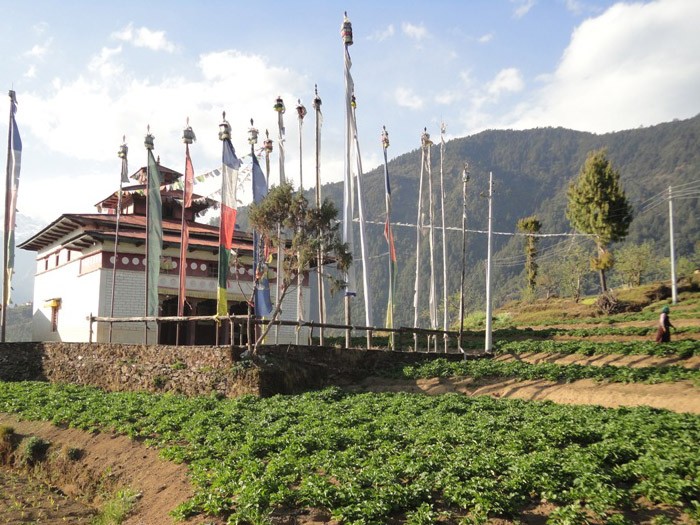
Trekkers will see colorful prayer flags, Buddhist monasteries, chortens, and traditional mountain houses. The friendly hospitality of the local people adds a special cultural dimension to the trekking experience.
Visitors can also learn about local traditions, customs, and the spiritual lifestyle that has been preserved in these mountain villages for generations.
Why Trek with Mountain Mart Treks?
Choosing a reliable trekking company ensures a safe and enjoyable adventure in the Himalayas. Mountain Mart Treks & Expedition Pvt. Ltd. is a trusted trekking operator known for professional service and experienced trekking guides.
Benefits of Trekking with Mountain Mart Treks
- Experienced and licensed trekking guides
- Well-planned itineraries for comfort and safety
- Affordable trekking packages
- Personalized service for every traveler
- Strong focus on safety and customer satisfaction
Their expert team ensures that every trekker enjoys a memorable Himalayan journey.
Packing List for Langtang Helambu Trek
Proper packing is essential for a safe and comfortable trekking experience in the beautiful Langtang Region. Below is a recommended packing list for the Langtang Helambu Trek.
| Category |
Items |
| Clothing |
Moisture-wicking trekking shirts, thermal base layers, fleece jacket, down jacket, waterproof jacket, trekking pants, warm hat/beanie, sun hat, gloves |
| Footwear |
Comfortable trekking boots (well broken-in), lightweight camp shoes or sandals, warm trekking socks (3–4 pairs), gaiters (optional) |
| Trekking Gear |
Backpack (30–40L), duffel bag for porter, trekking poles, headlamp with extra batteries, sleeping bag (-10°C recommended), rain cover for backpack |
| Personal Items |
Sunglasses with UV protection, sunscreen (SPF 30+), lip balm, small towel, toiletries, hand sanitizer, wet wipes |
| Health & Safety |
Personal first aid kit, basic medications, blister treatment, water purification tablets or filtered bottle |
| Electronics |
Camera or smartphone, power bank, charging cables, universal travel adapter |
| Documents |
Passport, trekking permits for Langtang National Park, travel insurance copy, passport-size photos, cash for personal expenses |
| Optional Items |
Energy bars/snacks, lightweight book or journal, binoculars, small lock for duffel bag |
Cost of Langtang Helambu Trek
The Langtang Helambu Trek – 9 Days package costs US$550 per person, which includes essential trekking services such as transportation, accommodation, trekking permits, and professional guides.
This affordable package makes it one of the best short Himalayan trekking adventures available near Kathmandu.
Altitude Sickness Prevention Guide for Langtang Trek
Trekking in the beautiful Langtang Region offers incredible mountain scenery, peaceful trails, and rich cultural experiences. Although the Langtang Helambu Trek does not reach extremely high altitudes like some other Himalayan treks, it is still important to understand and prevent altitude sickness to ensure a safe and enjoyable journey.
What is Altitude Sickness?
Altitude sickness, also known as Acute Mountain Sickness (AMS), occurs when the body struggles to adjust to lower oxygen levels at higher elevations. Symptoms usually begin at altitudes above 2,500 meters (8,200 feet).
While trekking through the scenic landscapes of Langtang National Park, some trekkers may experience mild altitude symptoms if they ascend too quickly.
Common Symptoms of Altitude Sickness
Trekkers should be aware of the following symptoms:
- Headache
- Dizziness or lightheadedness
- Nausea or vomiting
- Fatigue or weakness
- Difficulty sleeping
- Loss of appetite
If symptoms worsen, it is important to stop ascending and rest or descend to a lower altitude.
Tips to Prevent Altitude Sickness
►Ascend Gradually
Follow a slow and steady pace while trekking. Proper acclimatization helps your body adjust to higher elevations naturally.
►Stay Hydrated
Drink plenty of water during the trek. Hydration helps maintain proper oxygen circulation in the body.
►Eat Balanced Meals
Nutritious meals rich in carbohydrates provide energy and help your body adapt to high altitudes.
►Avoid Alcohol and Smoking
Alcohol and smoking can worsen altitude sickness symptoms by reducing oxygen levels in the body.
►Walk at a Comfortable Pace
Avoid rushing during the trek. Maintaining a steady pace reduces physical stress and helps with acclimatization.
►Consider Preventive Medication
Some trekkers take medications such as Diamox (Acetazolamide) after consulting with a doctor to reduce the risk of altitude sickness.
Trek with Experienced Guides
Trekking with professional guides ensures better safety in the mountains. Guides from Mountain Mart Treks & Expedition Pvt. Ltd. are trained in high-altitude trekking safety and wilderness first aid. They monitor trekkers’ health, provide guidance during the trek, and ensure proper acclimatization.
When to Descend Immediately
If severe symptoms appear, descending to a lower altitude is the most effective treatment. Warning signs include:
- Severe headache that does not improve
- Difficulty breathing
- Loss of coordination or confusion
- Persistent vomiting
Descending quickly can prevent serious altitude-related complications.
Final Advice
Although the Langtang Helambu Trek is considered a moderate trek, altitude awareness is still essential. By trekking slowly, staying hydrated, and following expert guidance, you can safely enjoy the breathtaking Himalayan landscapes and cultural richness of the Langtang region.
With proper preparation and support from experienced guides, your Langtang trekking adventure will be safe, enjoyable, and unforgettable.
FAQ for Langtang Helambu Trek
1. Where is the Langtang Helambu Trek located?
The Langtang Helambu Trek is located in the beautiful Langtang Region, north of Kathmandu. The trek passes through scenic valleys, forests, and traditional villages within the region near Langtang National Park.
2. How difficult is the Langtang Helambu Trek?
The Langtang Helambu Trek is considered a moderate trek. Trekkers typically walk 5–6 hours per day through forests, hills, and mountain trails. It is suitable for beginners with good physical fitness and for experienced trekkers.
3. What is the best time for the Langtang Helambu Trek?
The best seasons for trekking are Spring (March–May) and Autumn (September–November). During these seasons, the weather is stable and mountain views are clear.
4. How many days does the Langtang Helambu Trek take?
The standard Langtang Helambu Trek itinerary takes 9 days, including travel from Kathmandu and trekking through scenic villages and mountain landscapes.
5. Do I need previous trekking experience?
Previous trekking experience is helpful but not required. With proper preparation and support from professional guides, most trekkers can complete the trek successfully.
6. What permits are required for Langtang Helambu Trek?
Trekkers need the following permits:
- Langtang National Park Entry Permit
- TIMS Card (Trekkers’ Information Management System)
- Shivapuri Nagarjun National Park Permit (if starting from Sundarijal route)
7. Is altitude sickness a problem on this trek?
Altitude sickness is less common on the Langtang Helambu Trek compared to higher Himalayan treks, but it is still important to ascend gradually and stay hydrated.
8. What type of accommodation is available during the trek?
Accommodation is provided in local teahouses and mountain lodges, offering simple rooms and traditional meals prepared by local families.
9. How do I get to the starting point of the trek?
The trek usually starts with a short drive from Kathmandu to Sundarijal or another entry point in the Langtang region.
10. Why choose Mountain Mart Treks for this trek?
Mountain Mart Treks & Expedition Pvt. Ltd. provides experienced guides, well-planned itineraries, reliable logistics, and strong safety support to ensure a memorable Himalayan trekking experience.
Alternative Treks in Nepal
Nepal offers many world-famous trekking destinations for adventure lovers. Some of the most popular options include:
Each trek offers unique landscapes, cultural experiences, and breathtaking mountain views.
Final Thoughts
The Langtang Helambu Trek 9 Days is a perfect Himalayan adventure for travelers who want a short, scenic, and culturally rich trekking experience in Nepal. With beautiful mountain landscapes, peaceful trails, and authentic village culture, this trek offers everything that makes Nepal a paradise for trekkers.
Organized by Mountain Mart Treks & Expedition Pvt. Ltd., this trek guarantees professional guidance, safety, and an unforgettable journey in the Himalayas.
If you are planning your next trekking adventure in Nepal, the Langtang Helambu Trek is an excellent choice to explore the beauty of the Himalayas within a short time.