Tsum Valley Trek 2026 – Discover Nepal’s Hidden Himalayan Paradise
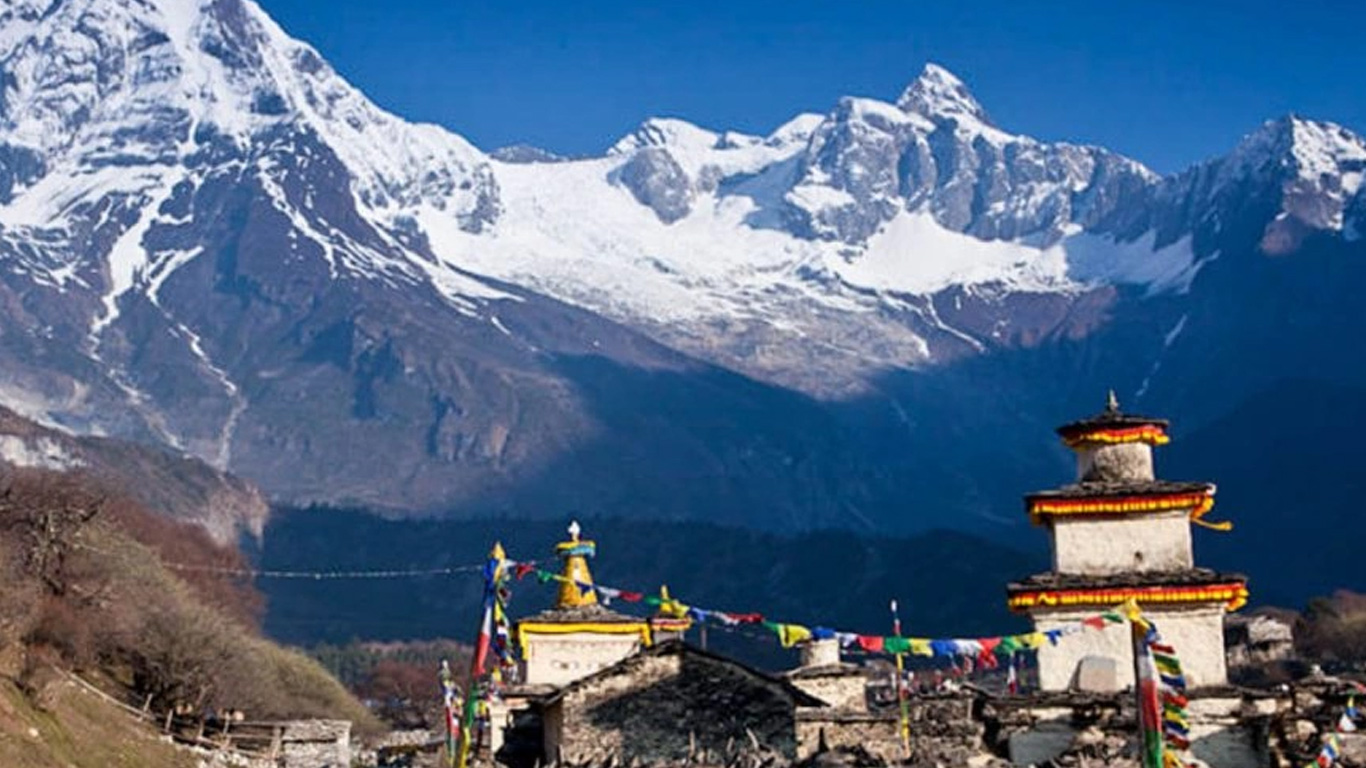
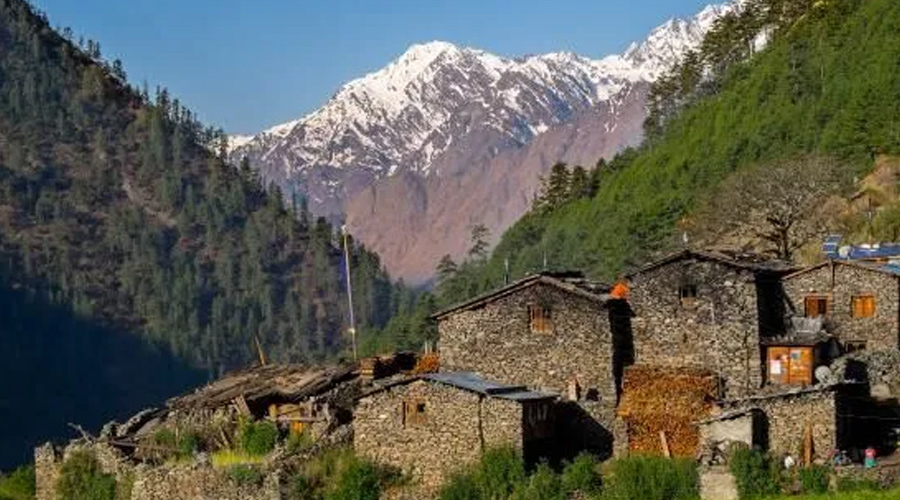
Embark on the Tsum Valley Trek 2026, one of Nepal’s most spiritual, remote, and culturally rich trekking experiences. Nestled in the northern part of the Manaslu region, Tsum Valley offers breathtaking alpine landscapes, sacred monasteries, traditional Tibetan villages, and panoramic Himalayan views. This off-the-beaten-path trek is perfect for adventure seekers, cultural explorers, and spiritual travelers looking for a unique trekking experience in Nepal.
Why Choose Tsum Valley Trek 2026?
The Tsum Valley Trek is a hidden gem that combines adventure, culture, and natural beauty:
-
Remote and Spiritual – Explore ancient monasteries like Mu Gompa, sacred caves, and meditation centers.
-
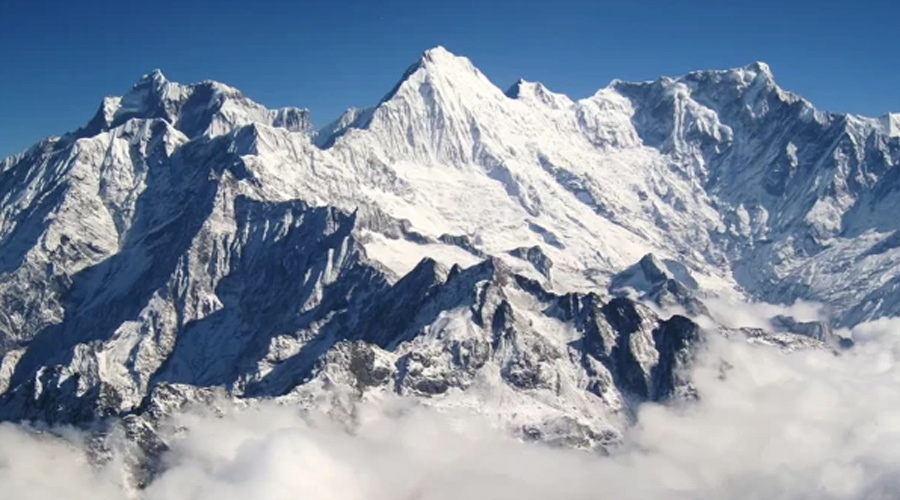
Stunning Himalayan Views – Panoramic vistas of Ganesh Himal, Himalchuli, and Manaslu.
-
Traditional Tibetan Culture – Visit local villages, experience Tibetan-influenced lifestyles, and interact with friendly locals.
-
Off-the-Beaten-Path Adventure – Less crowded trails make this trek peaceful and immersive.
Tsum Valley Trek Itinerary – 18 Days Adventure
Experience the Tsum Valley Trek route in a structured yet flexible itinerary, designed to maximize cultural immersion and scenic exploration:
Day 1 : Arrival in Kathmandu
Day 2 : Full day Kathmandu City excursion
Day 3 : Kathmandu(1,300m/4,265ft) – Arughat (600m/1,970 ft) – Soti Khola (700m/2,300ft)
Day 4 : Soti Khola(700m/2,300ft) – Machha Khola (870m/2,855ft)
Day 5 : Machha Khola (870m/2,855ft)– Dobhan (3,510ft)
Day 6 : Dobhan(1,070m/3,510ft) – Philim (1,570m/5,150ft)
Day 7 : Philim(1,570m/5,150ft) – Chumling (2,886m/9,470ft)ft)
Day 8 : Chumling(2,886m/9,470ft) – Chhekampar (3,030m/9,940ft)
Day 9 : Chhekampar(3,030m/9,940ft) – Nile (3,60 m/11,020ft)
Day 10 : Exploration day: Nile(3,360m/11,020ft) – Mu Gompa (3,700m/12,140ft) – Chhekampar (3,030m/9,940ft)
Day 11 : Chhekampar(3,030m/9,940ft) – Gumba Lungdang (3,200m/10,496ft)
Day 12 : Exploration day: Gumba Lungdang(3,200m/10,500ft) – Ganesh Himal BC (4,200m/13,780ft) – return
Day 13 : Gumba Lungdang(3,200m/10,500ft) – Ripchet (2,470m/8,100ft) – Lokpa (2,240m/7,350ft)
Day 14 : Lokpa(2,240m/7,350ft) – Sirdibas (1,420m/4,660ft)
Day 15 : Sirdibas 1,420m/4,660ft)– Khorlabesi (970m/3,182ft)
Day 16 : Khorlabesi(970m/3,182ft) – Soti Khola (700m/2,300ft)
Day 17 : Soti Khola(700m/2,300ft) – Arughat(600m/1,970ft) – Kathmandu (1,300m/4,265ft)
Day 18 : Final Departure
This itinerary allows trekkers to explore the sacred Tsum Valley, its monasteries, alpine forests, and stunning Himalayan scenery while ensuring proper acclimatization for a safe journey.
Tsum Valley Trek Distance and Duration
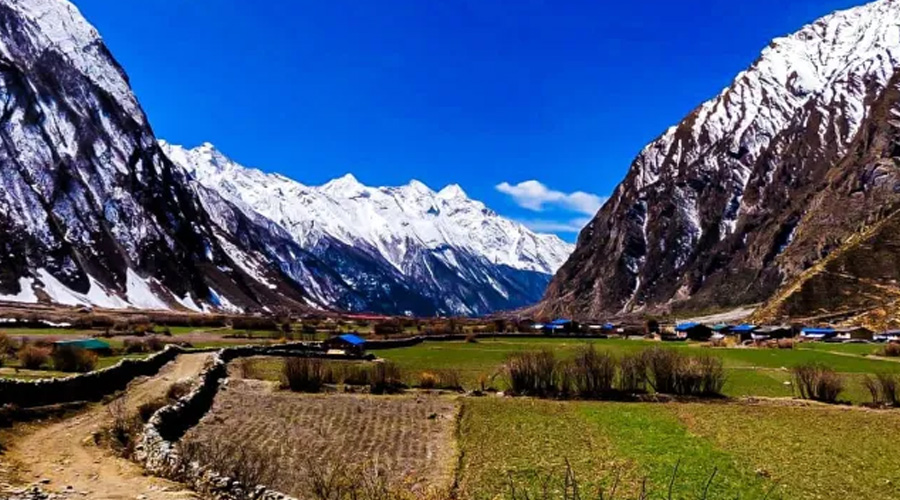
The Tsum Valley Trek spans approximately 180–200 km through remote Himalayan landscapes, traditional villages, and scenic valleys. This 18-day trekking journey offers a well-paced adventure, allowing trekkers to explore the cultural richness, alpine scenery, and panoramic views of Ganesh Himal while enjoying proper acclimatization and comfortable trekking days for a safe and unforgettable experience.
Best Season for Tsum Valley Trek
Planning your trek in the right season ensures clear skies, stable weather, and a comfortable journey:
-
Spring (March – May) – Blooming rhododendrons, moderate temperatures, and clear mountain views.
-
Autumn (September – November) – Crisp weather, spectacular panoramas, and perfect trekking conditions.
-
Winter (December – February) – Fewer trekkers, serene trails, but cold nights above 3,000m.
-
Monsoon (June – August) – Heavy rainfall, slippery trails, and less visibility; not recommended.
Tip: Book your Tsum Valley Trek 2026 early during the spring or autumn season to secure permits and accommodations.
How to Assess Trek Difficulty Before You Go
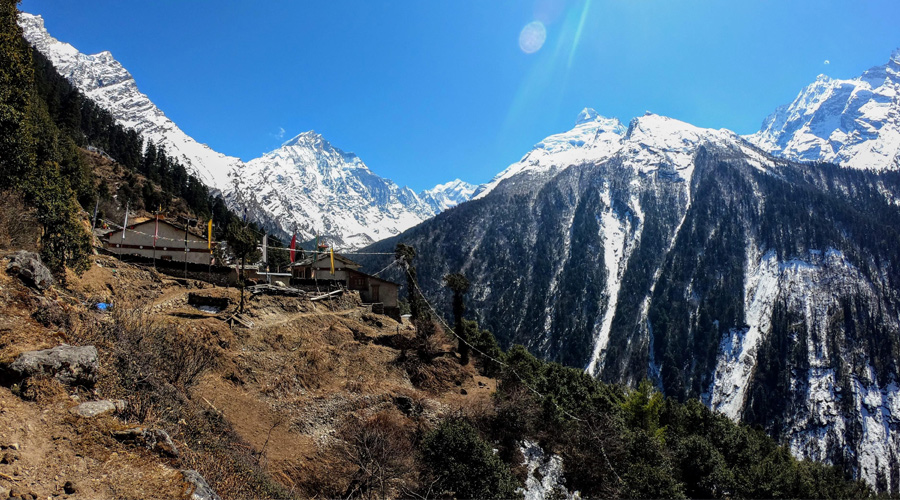
The challenge of any trek depends on altitude, trail conditions, remoteness, and trek duration. For example, the Classic Everest Base Camp trek is considered high-altitude but manageable with proper acclimatization, whereas treks like Tsum Valley or Kanchenjunga require endurance and readiness for rugged, remote trails. Beginners may prefer shorter, lower-altitude treks such as Ghorepani Poon Hill, while experienced trekkers often seek more isolated, challenging routes. Evaluating your fitness level and trekking experience is crucial for choosing the right adventure.
Tsum Valley Trek Permits & Legal Requirements
To trek the Tsum Valley, trekkers must have:
1️⃣ Manaslu Restricted Area Permit (RAP) – Required to enter the Tsum Valley region.
2️⃣ Manaslu Conservation Area Permit (MCAP) – Protects the environment and supports local communities.
3️⃣ TIMS Card – Trekker registration for safety and emergency tracking.
Tip: Trekking through a licensed agency ensures smooth processing of all permits and a hassle-free journey.
Understanding and Managing Altitude Sickness on Treks
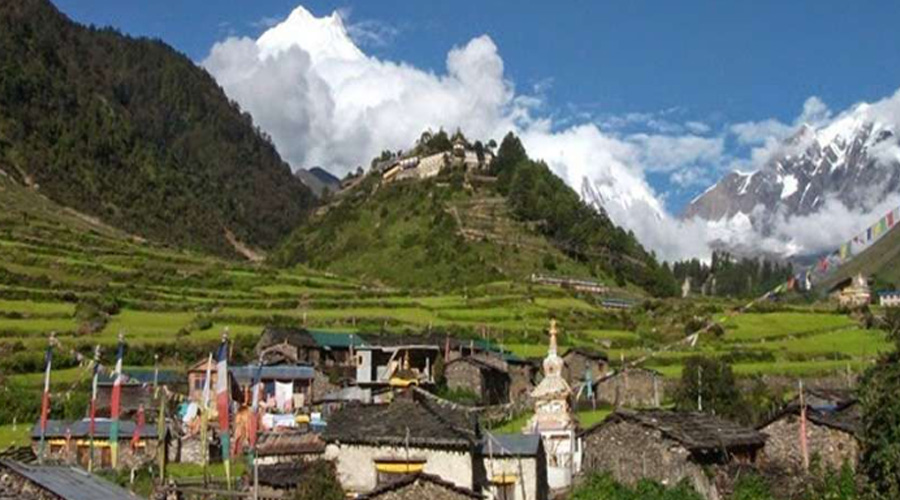
Altitude sickness happens when your body struggles to adjust to lower oxygen levels at high elevations. Symptoms can include headache, nausea, dizziness, and in severe cases, HAPE (High-Altitude Pulmonary Edema) or HACE (High-Altitude Cerebral Edema). To reduce risks, ascend gradually, include acclimatization days, drink plenty of water, avoid alcohol, and monitor your body closely. Medications like Diamox may support acclimatization but cannot replace proper adaptation. Early recognition and descent remain the safest way to manage altitude sickness.
Accommodation & Meals during Tsum Valley Trek
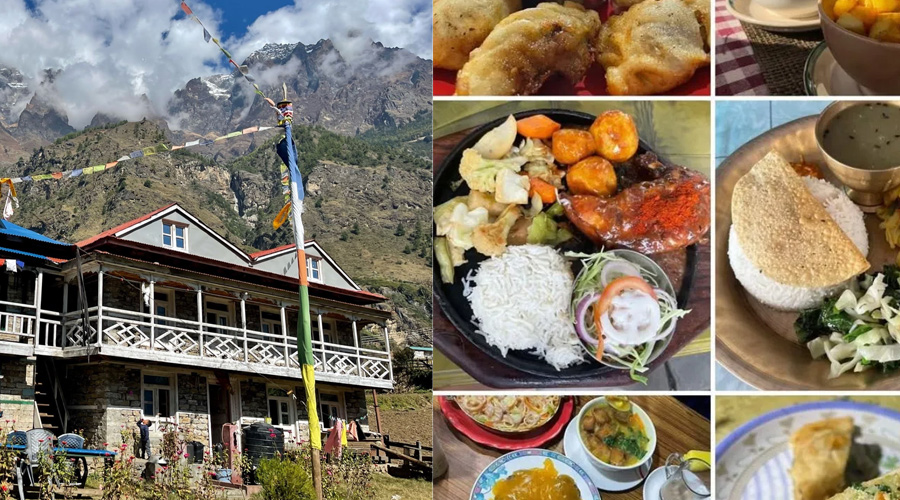
The Tsum Valley Trek offers teahouse-style accommodation with cozy lodging throughout the valley:
-
Twin-sharing rooms with basic facilities
-
Nutritious meals: Dal Bhat, noodles, soups, pancakes, eggs
-
Hot drinks and limited Wi-Fi services available at select teahouses
Tip: Carry snacks, a water purifier, and essential personal items, as shops are limited in high-altitude villages.
Guide & Porter Services for Tsum Valley Trek
Hiring a licensed trekking guide and porter is highly recommended for the Tsum Valley Trek:
-
Guide: Provides route navigation, cultural insight, and emergency support
-
Porter: Carries heavy luggage, allowing you to trek comfortably
-
Supports local employment and ensures safety in remote areas
Average cost: Guide USD 25–30/day, Porter USD 15–20/day
Transportation to Tsum Valley Trek Trailhead
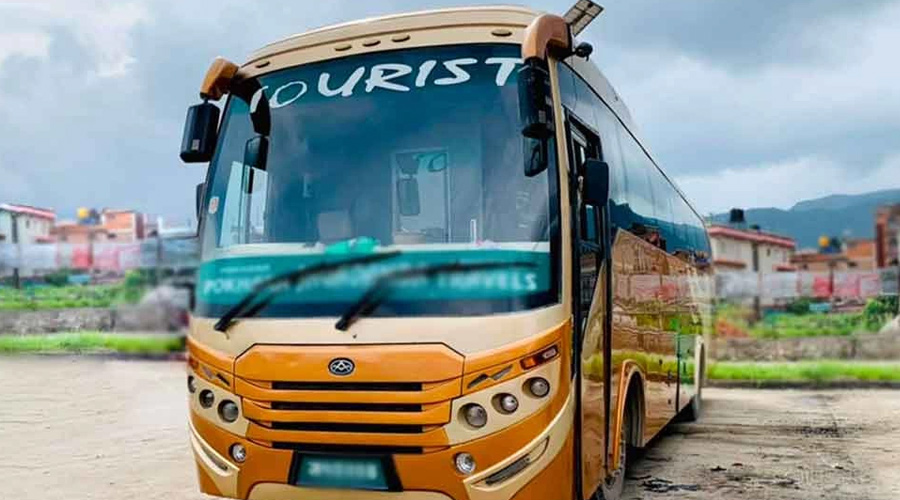
The trek starts with a scenic drive from Kathmandu to Arughat / Soti Khola:
-
Distance: ~140 km, 7–9 hours drive
-
Options: Private jeep (recommended), local bus
-
Return: Trek ends at Soti Khola and drive back to Kathmandu
Tip: Travel with a professional agency for comfortable and reliable transport arrangements.
Fitness, Training & Difficulty Level for Tsum Valley Trek
The Tsum Valley Trek is moderate in difficulty:
-
Daily trekking: 4–6 hours on average
-
Highest altitude: Ganesh Himal Base Camp (4,200m)
-
Main challenges: Uphill trails, high altitude, and cold temperatures
Training Tips:
-
Regular cardio (walking, jogging, cycling)
-
Strength training for legs and core
-
Practice hikes with a backpack
-
Acclimatize gradually and follow the “Bistari Bistari” principle – walk slowly

Personal Expenses & Travel Tips for Tsum Valley Trek
Trekkers should budget for:
-
Hot drinks & beverages: USD 2–5 per cup
-
Battery charging & Wi-Fi: USD 3–6 per device
-
Snacks & small purchases: USD 2–5
-
Tipping guide/porter: Guide USD 10–15/day, Porter USD 7–10/day
Tip: Carry Nepali cash, as ATMs are limited in the Tsum Valley.
Tsum Valley Trek Cost
The Tsum Valley Trek 2026 is available for just USD 1,395, offering an incredible value for a fully organized Himalayan adventure. This cost includes all trekking permits, licensed guide and porter services, teahouse accommodation, three meals per day, and transportation from Kathmandu to the trailhead. Explore the remote Tsum Valley, visit sacred monasteries, experience traditional Tibetan culture, and enjoy breathtaking views of Ganesh Himal, Himalchuli, and Manaslu – all in one unforgettable trekking package.
Essential Trekking Equipment for Tsum Valley Trek
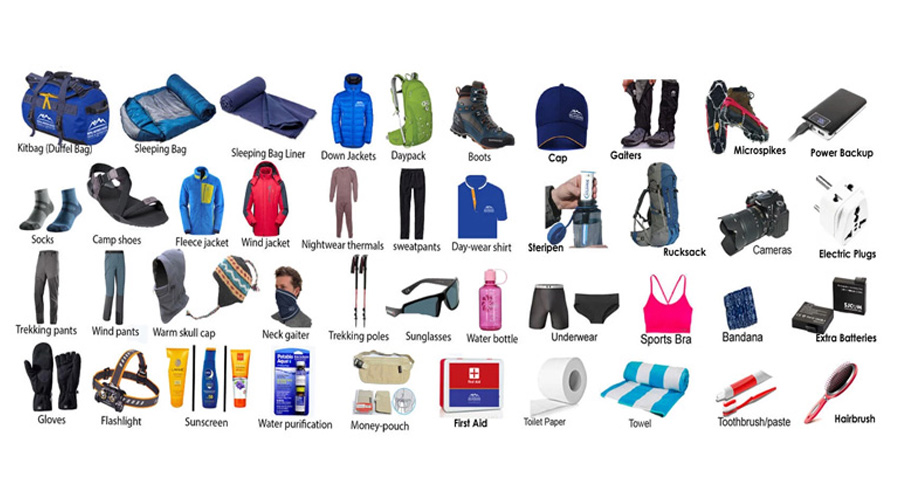
Preparing the right gear is crucial for a safe, comfortable, and enjoyable Tsum Valley Trek. Trekking through remote Himalayan villages, high-altitude trails, and rugged terrain requires proper equipment to handle cold, wind, and unpredictable weather conditions. Here’s a comprehensive list of must-have trekking gear for your Tsum Valley adventure.
1. Clothing Essentials
-
Base Layers: Thermal tops and bottoms for warmth
-
Mid Layers: Fleece jackets or pullovers for insulation
-
Outer Layers: Waterproof and windproof jacket and pants
-
Trekking Trousers & Shirts: Quick-dry and breathable
-
Warm Accessories: Gloves, woolen hats, and scarves
-
Socks: Thick trekking socks and extra pairs
2. Footwear
-
Trekking Boots: Waterproof, ankle-supportive, and comfortable
-
Camp Shoes: Lightweight sandals or sneakers for lodge use
3. Backpack & Daypack
-
Main Trekking Backpack: 50–60 liters for clothing, gear, and essentials
-
Daypack: 20–30 liters for water, snacks, camera, and personal items
4. Sleeping & Camping Gear
5. Health & Safety
-
First Aid Kit: Include personal medications, blister pads, and altitude sickness medicine
-
Sunscreen & Lip Balm: SPF 30+ to protect against high-altitude sun
-
Water Purification: Tablets, filter, or UV purifier
-
Trekking Poles: For stability on steep or uneven trails
6. Electronics & Accessories
-
Headlamp / Flashlight: With extra batteries
-
Power Bank: High-capacity for charging phones and cameras
-
Camera / Smartphone: To capture Himalayan landscapes
-
Portable Solar Charger: Optional, useful in remote areas
7. Personal Items
-
Reusable Water Bottle / Hydration Bladder
-
Snacks / Energy Bars
-
Toiletries & Quick-dry Towel
-
Passport / Permits / Trekking Insurance Documents
8. Optional Items
Pro Tip: Packing light but smart is key for the Tsum Valley Trek. Layered clothing, reliable footwear, and backup power sources will ensure a smooth trekking experience while exploring the hidden Himalayan valley.
Cultural Experience in the Tsum Valley Trek
The Tsum Valley Trek offers an extraordinary cultural journey through one of Nepal’s most remote Himalayan regions. Trekkers can explore traditional Tibetan-influenced villages, interact with welcoming locals, visit ancient Buddhist monasteries, and witness unique festivals and rituals. This hidden valley preserves centuries-old customs, sacred caves, and prayer walls, providing an authentic cultural immersion alongside breathtaking Himalayan landscapes. A trek to Tsum Valley is not just an adventure—it’s a deep dive into the spiritual and cultural heart of Nepal’s high mountains.
Top 10 Reasons to Choose the Tsum Valley Trek
1. Hidden Himalayan Gem – Explore the untouched and less-crowded Tsum Valley, away from the typical tourist trails.
2. Stunning Mountain Views – Witness breathtaking panoramas of Manaslu, Ganesh Himal, and surrounding peaks.
3. Rich Tibetan Culture – Experience authentic Tibetan-influenced villages, monasteries, and local traditions.
4. Ancient Monasteries & Sacred Sites – Visit centuries-old monasteries, prayer walls, and sacred caves unique to the valley.
5. Peaceful Trekking Experience – Enjoy serene trails through forests, rivers, and high-altitude landscapes with minimal crowds.
6. Diverse Flora & Fauna – Spot rhododendron forests, Himalayan wildlife, and endemic species along the trail.
7. Friendly Local Communities – Interact with welcoming locals and learn about their traditional lifestyle and customs.
8. Cultural Festivals & Rituals – Witness local festivals and religious rituals for an immersive cultural experience.
9. Adventure & Moderate Challenge – Ideal for trekkers seeking a moderately challenging high-altitude trek with rewarding scenery.
10. Off-the-Beaten-Path Experience – Perfect for travelers looking for authentic Himalayan adventure beyond popular trekking routes.
Frequently Asked Questions – Tsum Valley Trek
1. What is the Tsum Valley Trek difficulty level?
The Tsum Valley Trek is moderate to challenging, suitable for physically fit beginners and experienced trekkers seeking an off-the-beaten-path Himalayan adventure.
2. How long is the Tsum Valley Trek?
This trek usually takes 18 days, including arrival and departure from Kathmandu, with treks through remote villages and cultural sites.
3. What is the best season for Tsum Valley Trek?
Spring (March–May) and Autumn (September–November) are ideal for clear skies, moderate temperatures, and breathtaking mountain views.
4. Do I need permits for the Tsum Valley Trek?
Yes, trekkers need the Manaslu Restricted Area Permit (RAP) and Manaslu Conservation Area Permit (MCAP), which are processed through licensed trekking agencies.
5. Is a guide or porter required?
Yes, hiring a licensed guide is mandatory in the restricted Manaslu region. A porter is optional but recommended for carrying heavy luggage comfortably.
6. What kind of accommodation is available?
Accommodation is teahouse-style, offering basic twin-sharing rooms, meals, and blankets. Hot showers may be available at select locations.
7. How should I prepare physically for the trek?
Cardio, strength training, and practice hikes are recommended 6–8 weeks before the trek. Acclimatization days along the route are essential for high-altitude safety.
8. What cultural experiences can I expect?
The trek passes through Tibetan-influenced villages, ancient monasteries, sacred caves, and local festivals, offering a deep cultural immersion.
9. What should I pack for the Tsum Valley Trek?
Essential gear includes layered clothing, trekking boots, trekking poles, sleeping bag, water purification tablets, power bank, and a good backpack.
10. How can I book the Tsum Valley Trek?
Booking is easy through licensed trekking agencies, which handle permits, guides, porters, transport, and logistics to ensure a safe and hassle-free adventure.
Flora & Fauna of Tsum Valley Trek
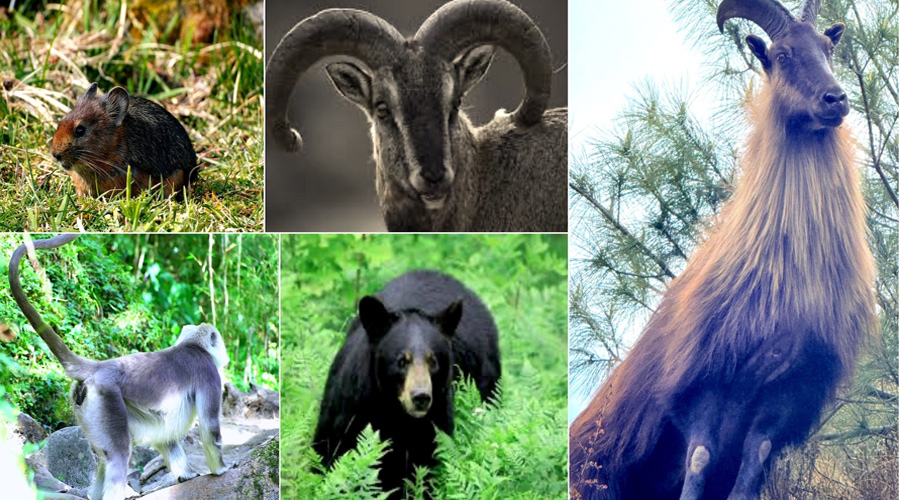
The Tsum Valley Trek is a paradise for nature lovers, featuring lush rhododendron forests, pine, and oak groves along the trail. The region is rich in wildlife, including red pandas, snow leopards, Himalayan tahr, musk deer, and numerous bird species like Himalayan monals and pheasants. Trekking through this remote valley offers a unique opportunity to experience Nepal’s pristine biodiversity while enjoying breathtaking Himalayan landscapes and serene natural beauty.
Tsum Valley Trek Challenges – What Trekkers Should Know
-
High altitude up to 4,200m requires proper acclimatization.
-
Remote route with limited medical facilities and simple teahouses.
-
Rugged trails, river crossings, and suspension bridges.
-
Unpredictable weather with rain, snow, and cold winds.
-
Poor mobile network and limited Wi-Fi connectivity.
-
Daily trekking of 5–7 hours on moderate to steep paths.
-
Basic facilities and meals in mountain lodges.
-
Wildlife sightings possible; respect nature during the trek.
Tsum Valley Trekking Trail Conditions and Terrain
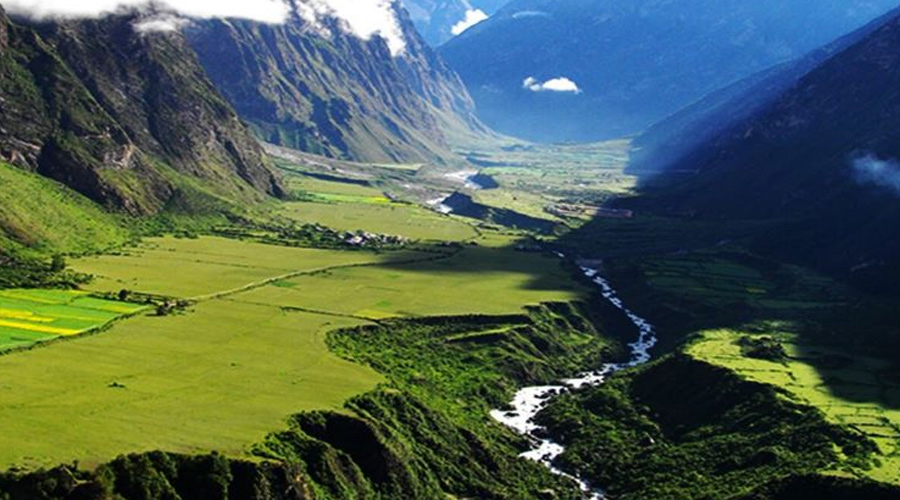
The Tsum Valley Trek features a mix of moderate to rugged Himalayan trails that take trekkers through lush forests, traditional villages, and high-altitude landscapes. Expect well-marked dirt paths, occasional rocky and steep sections, and suspension bridges over rivers. The trail passes through remote villages, farmland, and alpine meadows, offering stunning views of Ganesh Himal and surrounding peaks. While the terrain is generally manageable for moderately fit trekkers, some steep ascents and descents require careful pacing and proper trekking gear.
Why Book Tsum Valley Trek 2026 with Mountain Mart Treks
-
Fully organized permit processing and itinerary
-
Professional licensed guides and trained porters
-
Safe, reliable transportation from Kathmandu to trailhead
-
Authentic cultural experiences and panoramic Himalayan views
-
Small group, off-the-beaten-path trekking with fewer crowds
Secure your Tsum Valley Trek 2026 now and explore one of Nepal’s hidden Himalayan treasures with confidence, comfort, and safety. Adventure, culture, and breathtaking landscapes await!