Kanchenjunga Base Camp Trek 2026/2027 – Complete Guide, Cost, Itinerary & Booking
About the Kanchenjunga Base Camp Trek
The journey begins with a scenic flight from Kathmandu to eastern Nepal, followed by a drive to Taplejung, the gateway to the Kanchenjunga region. From here, trekkers pass through lush subtropical forests, terraced farmlands, and traditional villages inhabited by Rai, Limbu, and Tibetan communities. As the trail ascends, the landscape gradually transforms into alpine wilderness with dramatic glaciers, high mountain passes, and pristine rivers. Walking through the protected Kanchenjunga Conservation Area, you’ll encounter diverse flora and fauna, including rare wildlife like red pandas and Himalayan blue sheep, making the journey even more enriching.
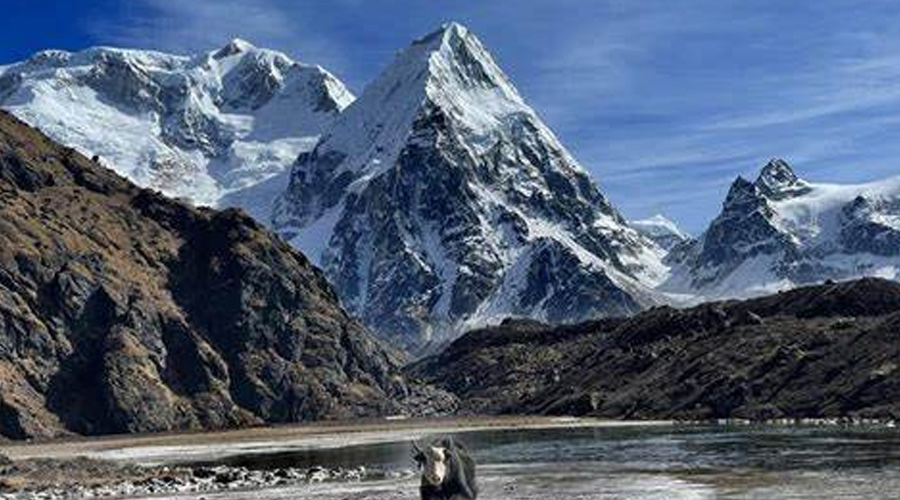
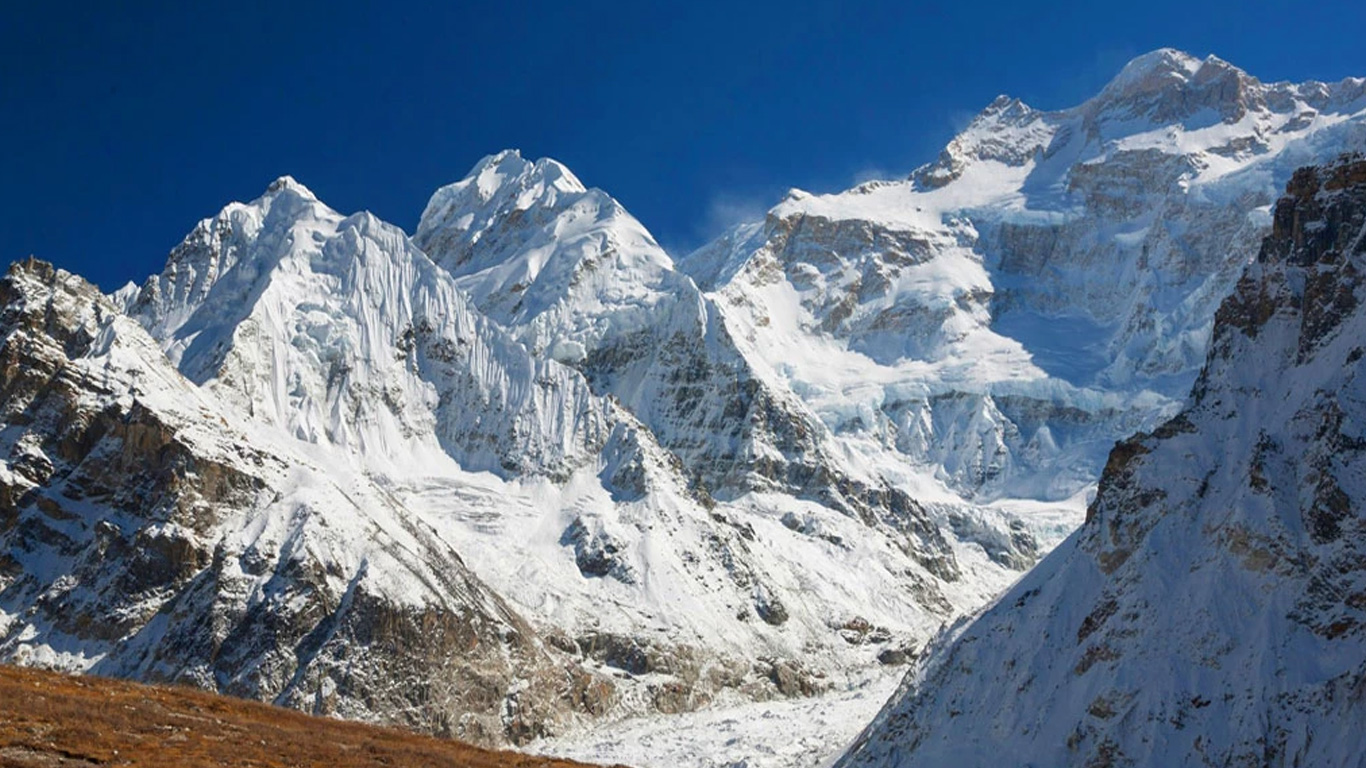
What truly sets this trek apart is its raw remoteness and sense of exploration. Unlike the busy trails of Classic Everest Base Camp Trek or the Annapurna Circuit Trek, the Kanchenjunga region offers peaceful solitude and unspoiled natural beauty. Reaching both the North Base Camp (Pangpema) and South Base Camp (Oktang) rewards trekkers with awe-inspiring views of towering peaks, including the mighty Mount Kanchenjunga. This trek is not just a physical challenge but a deeply immersive cultural and wilderness experience, perfect for adventurers seeking authenticity and a true Himalayan escape.
Why Choose Kanchenjunga Base Camp Trek?
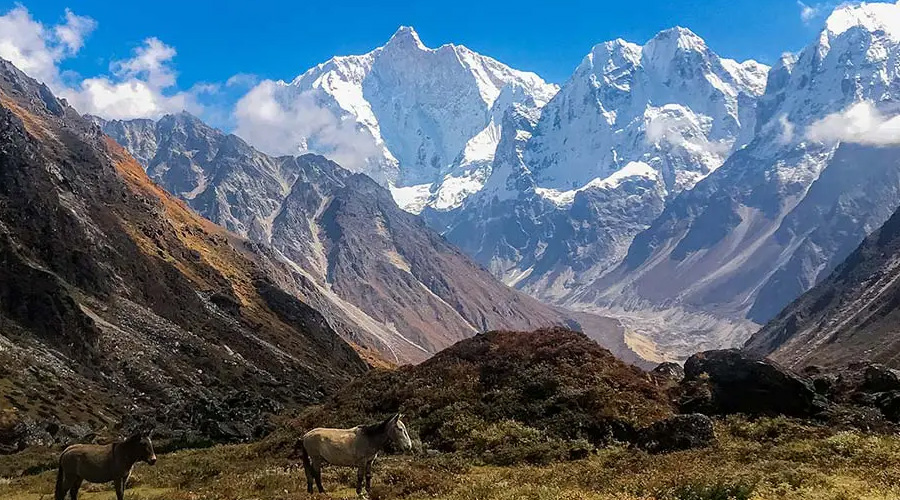
The Kanchenjunga Base Camp Trek stands out as one of Nepal’s most authentic and least-explored trekking adventures. Unlike commercial trekking regions, this trail takes you deep into the untouched wilderness of eastern Nepal, where nature remains raw and unspoiled. It is the perfect choice for experienced trekkers seeking solitude, adventure, and a deeper cultural connection far from crowded routes like Everest Base Camp and the Annapurna Circuit. The journey offers a rare opportunity to explore hidden valleys, ancient villages, and dramatic Himalayan landscapes in complete peace.
Another major reason to choose this trek is its unique combination of adventure and diversity. From subtropical forests to high-altitude glaciers, the trail presents ever-changing scenery and unmatched natural beauty. Trekkers not only enjoy breathtaking views of towering peaks like Mount Kanchenjunga, but also gain insight into the rich traditions of local communities living in remote mountain regions. The trek is both physically challenging and spiritually rewarding, making it ideal for those who want more than just a typical trekking experience.
Key Highlights of Kanchenjunga Base Camp Trek
✔️ Trek to both North Base Camp (Pangpema – 5,143m) and South Base Camp (Oktang – 4,730m)
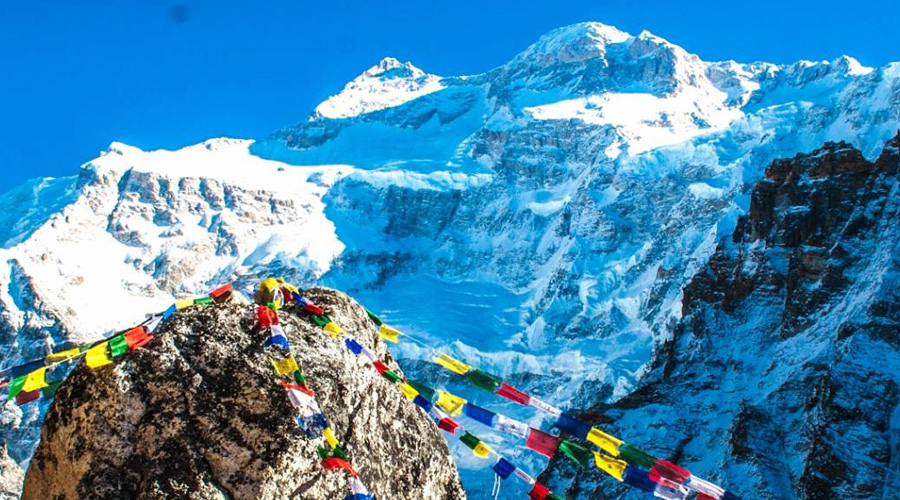
✔️ Spectacular mountain views of Kanchenjunga, Jannu, Makalu, and surrounding peaks
✔️ Explore the remote and protected Kanchenjunga Conservation Area
✔️ Experience authentic Limbu, Rai, and Tibetan-influenced Himalayan culture
✔️ Walk through diverse landscapes: lush forests, alpine meadows, glaciers, and high mountain passes
✔️ Enjoy peaceful, less crowded trails – a true off-the-beaten-path adventure
✔️ Discover rare wildlife, including red pandas and Himalayan blue sheep
✔️ Ideal for adventure seekers looking for a challenging and rewarding trek in Nepal
This trek is not just about reaching the base camps—it’s about experiencing one of the last truly wild regions of the Himalayas. If you are looking for a remote trekking experience in Nepal with unmatched natural beauty and cultural richness, the Kanchenjunga Base Camp Trek is the ultimate choice.
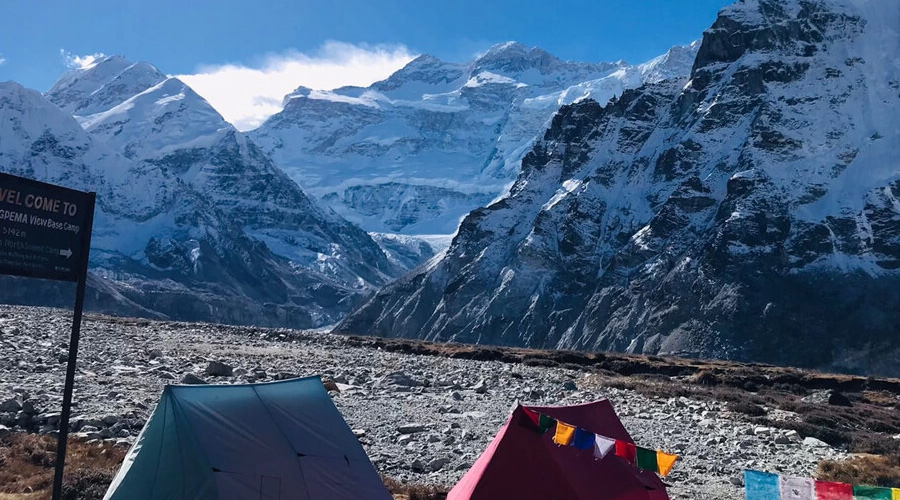
Kanchenjunga Base Camp Trek Overview
-
Duration: 19 Days
-
Maximum Altitude: 5,143 meters (North Base Camp – Pangpema)
-
Difficulty Level: Challenging
-
Best Time to Visit: Spring (March–May) and Autumn (September–November)
-
Accommodation: Tea Houses + Camping in remote areas
-
Permit Required: Restricted Area Permit + Conservation Area Permit
Attractions of Kanchenjunga Base Camp Trek
The Kanchenjunga Base Camp Trek is a truly unforgettable Himalayan adventure, offering long days of trekking (6–8 hours daily) through some of Nepal’s most remote and pristine landscapes. Unlike the busy trails of the Everest region and Annapurna regions, this trek remains less crowded, giving adventurers a rare sense of solitude in the mountains.
This trek provides a unique opportunity to experience authentic local culture. Trekkers can stay in local homestays and interact with the Limbu, Rai, and Sherpa communities, witnessing their traditional lifestyles, customs, and warm hospitality. The route passes through diverse landscapes, from lush forests and terraced farmlands to high alpine meadows and glacial valleys, offering a constantly changing backdrop.
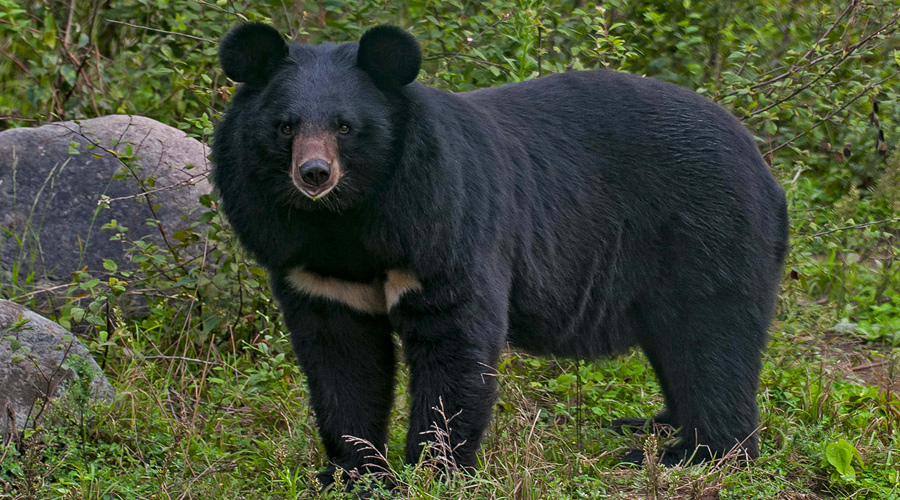
Nature lovers will delight in the rich flora and fauna of the Kanchenjunga Conservation Area. The region is home to red pandas, Himalayan black bears, musk deer, snow leopards, and a variety of Himalayan birds including pheasants and the rare Re-Billed Blue Magpie. Trekkers can enjoy wildlife sightings along the quiet trails, adding an element of adventure to the journey.
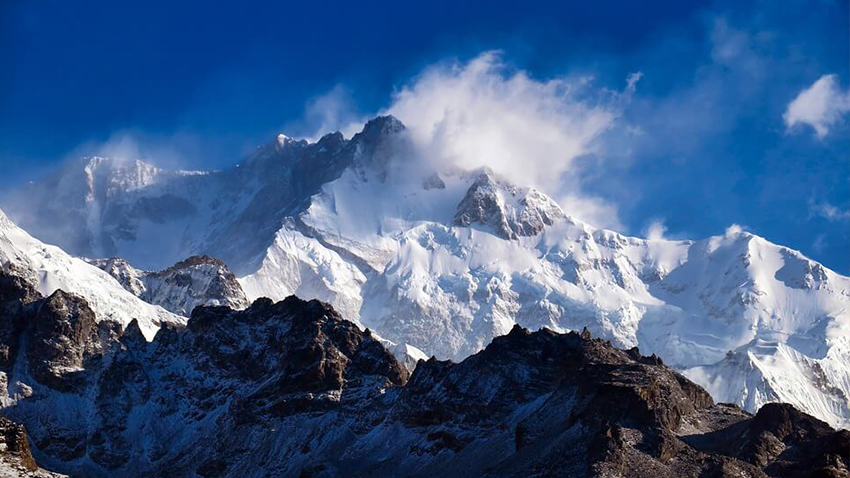
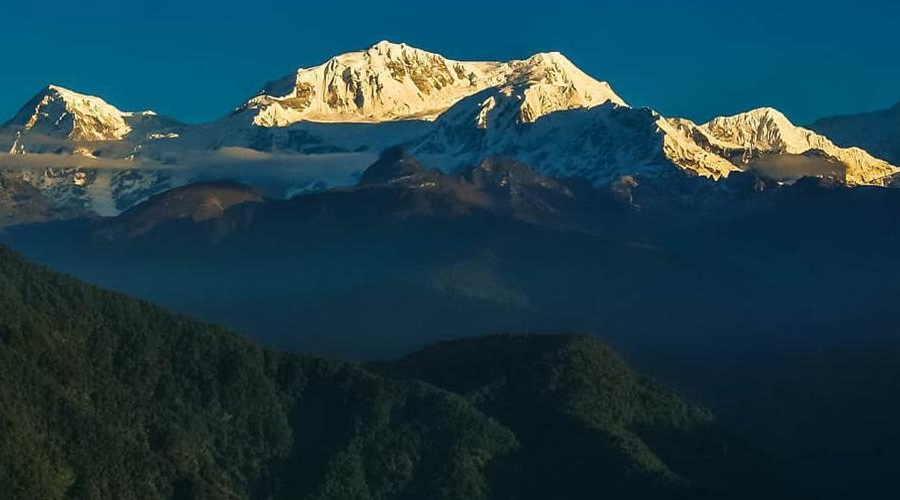
The trek takes you first to the North Base Camp (Pangpema – 5,143m) and then to the South Base Camp (Oktang – 4,730m), offering breathtaking views of Mount Kanchenjunga (8,586m) and surrounding Himalayan giants like Mount Everest (8,848m), Lhotse (8,816m), and Makalu (8,201m). Snow-capped peaks, glacial rivers, and serene highland valleys make every step of this trek a visual feast.
With increasing interest among adventure seekers, the Government of Nepal is gradually promoting the Kanchenjunga region as a lodge trekking route, while much of the trail still retains its raw and untouched character, making it ideal for trekkers seeking off-the-beaten-path Himalayan experiences.
Fitness, Training & Difficulty Level for Kanchenjunga Base Camp Trek
The Kanchenjunga Base Camp Trek is considered challenging due to its long duration, remote trails, and high-altitude trekking conditions in eastern Nepal. This trek is best suited for experienced trekkers who are physically fit and prepared for extended days in the mountains.
Trek Difficulty Overview:
-
Daily trekking: 6–8 hours on average
-
Highest altitude: North Base Camp (Pangpema – 5,143m) near Mount Kanchenjunga
-
Main challenges: Long trekking days, remote and isolated trails, high altitude, basic facilities, and unpredictable mountain weather
Training Tips for Kanchenjunga Trek
Proper preparation is essential to successfully complete this demanding Himalayan adventure:
1. Build Cardiovascular Endurance
Engage in regular cardio exercises like walking, hiking, jogging, stair climbing, or cycling to improve stamina and lung capacity for high-altitude trekking.
2. Strength & Endurance Training
Focus on leg strength, core stability, and endurance workouts such as squats, lunges, and step training to handle steep ascents and descents.
3. Practice with Backpack
Train with a loaded backpack on uneven terrain to simulate real trekking conditions and improve balance and endurance.
4. Altitude Preparation
The trek reaches above 5,000m, so proper acclimatization is crucial. Follow a gradual ascent, stay hydrated, and listen to your body to avoid altitude sickness.
5. “Bistari Bistari” (Slowly Slowly) Approach
Adopt the Nepali trekking philosophy of “Bistari Bistari”, meaning walk slowly and steadily. Maintaining a consistent pace helps conserve energy and improves acclimatization.
👉 With proper training, mental preparation, and guidance from experienced professionals like Mountain Mart Treks & Expedition Pvt. Ltd., the Kanchenjunga Base Camp Trek becomes a highly rewarding and achievable adventure.

Cultural Experience on the Kanchenjunga Base Camp Trek
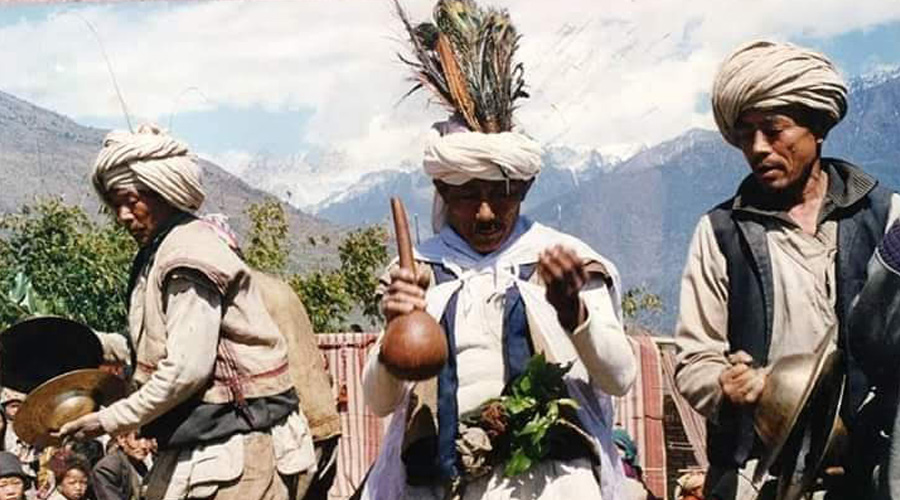
The Kanchenjunga Base Camp Trek offers a rich and immersive cultural journey through one of Nepal’s most remote and untouched Himalayan regions. Along the trail, trekkers pass through traditional Limbu, Rai, and Sherpa villages, where locals maintain centuries-old customs, wear traditional attire, and live lifestyles deeply connected to the mountains. Visitors have the opportunity to interact with warm and welcoming communities, gaining insight into their daily life, festivals, rituals, and spiritual practices.
The trek also features visits to ancient Buddhist monasteries, prayer flags, mani walls, and chortens, reflecting the deep spiritual heritage of the Kanchenjunga region. In villages like Taplejung, Ghunsa, and Yalung, trekkers can witness traditional ceremonies, local festivals, and cultural practices that have remained largely unchanged over generations.
This cultural immersion, combined with the breathtaking Himalayan landscapes, makes the Kanchenjunga Base Camp Trek more than just a physical adventure—it is a meaningful journey into the spiritual and cultural heart of eastern Nepal, offering an authentic and unforgettable experience for every traveler.
Kanchenjunga Base Camp Trek Challenges – What Trekkers Should Know
The Kanchenjunga Base Camp Trek is a remote and challenging adventure in eastern Nepal, offering breathtaking scenery but demanding preparation and awareness from trekkers.
-
High Altitude: The trek reaches up to North Base Camp (Pangpema – 5,143m), requiring proper acclimatization, gradual ascent, and awareness of altitude sickness.
-
Remote & Less-Developed Route: Limited medical facilities, basic tea house accommodations, and few modern amenities in isolated villages.
-
Rugged Trails: Steep ascents and descents, river crossings, narrow paths, and high mountain passes demand physical endurance and careful trekking.
-
Challenging High Passes: Reaching both North (Pangpema) and South Base Camp (Oktang – 4,730m) requires stamina, focus, and fitness.
-
Unpredictable Weather: Cold temperatures, strong winds, and possible snow at higher altitudes.
-
Limited Connectivity: Mobile network and Wi-Fi are scarce, especially in remote sections of the trek.
-
Long Trekking Days: Daily trekking can range from 6–8 hours on varied terrain, requiring good fitness and stamina.
-
Basic Facilities: Mountain lodges offer simple meals and essential amenities; higher areas may require camping.
-
Altitude Sickness Risk: Proper acclimatization, hydration, and awareness are crucial to prevent AMS (Acute Mountain Sickness).
-
Wildlife & Nature: The Kanchenjunga Conservation Area is home to red pandas, Himalayan black bears, musk deer, and snow leopards; trekkers should respect wildlife and follow guide instructions.
This trek is ideal for adventurous and experienced trekkers seeking a less crowded, off-the-beaten-path Himalayan experience with unparalleled natural beauty, cultural immersion, and remote wilderness.
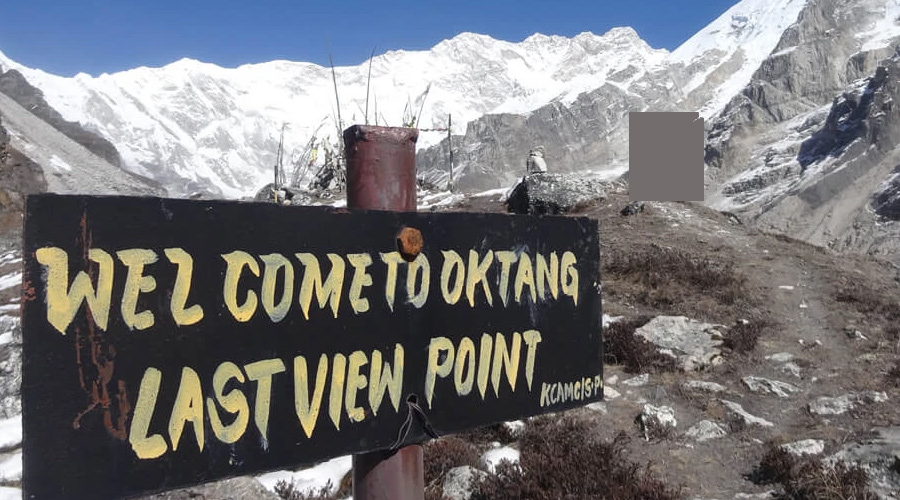
Kanchenjunga Base Camp Trek Itinerary
Day 1 : Kathmandu – Biratnagar (236ft), 35min flight
Day 2 : Biratnagar – Suketar – Mitlung (2,790 ft), 15min flight, 5-6 hrs trek
Day 3 : Mitlung - Chirwa (3,905ft), 6-7 hrs
Day 4 : Chirwa - Sekathum (5,390ft), 5-6 hrs
Day 5 : Sekathum - Amjilosa (8,168ft), 5-6hrs.
Day 6 : Amjilosa - Gyabla (8,955ft), 4-5hrs.
Day 7 : Gyabla - Ghunsa (11,250ft), 5-6hrs
Day 8 : Ghunsa: Rest and acclimatisation day.
Day 9 : Ghunsa - Kambachen (13,615ft), 5-6 hrs.
Day 10 : Kambachen – Lhonak (15,900ft), 4-5 hrs
Day 11 : Lhonak – Pang Pema Base Camp (16,923ft), 2-3 hrs
Day 12 : Pang Pema Base Camp, rest and exploration day.
Day 13 : Pangpema – Kambachen (13,650ft), 5-6 hrs
Day 14 : Kambachen – Ghunsa – Phale (10,302ft), 5-6 hrs
Day 15 : Phale – Amjilosa (7,100ft), 5-6 hrs
Day 16 : Amjilosa – Chirwa (3,900 ft), 5-6 hrs
Day 17 : Chirwa – Linkhim (4,985ft), 5-6 hrs
Day 18 : Linkhim – Suketar (8,856ft.), 5-6 hrs
Day 19 : Suketar - Biratnagar- Kathmandu (4,264ft), 30min and 35min flights
Kanchenjunga Base Camp Trekking Trail Conditions and Terrain
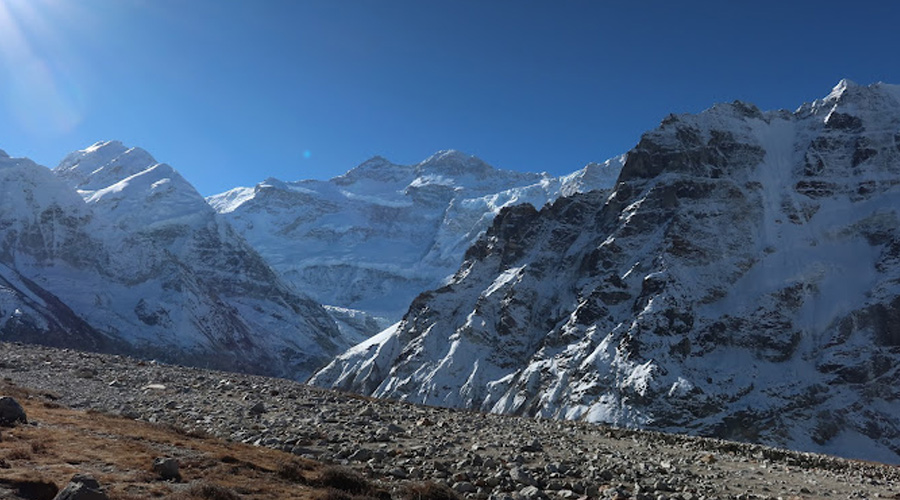
The Kanchenjunga Base Camp Trek features a diverse mix of moderate to challenging Himalayan trails, taking trekkers through dense forests, traditional villages, alpine meadows, and high-altitude landscapes in eastern Nepal. The route includes well-marked dirt paths, rocky sections, steep ascents, narrow mountain trails, and occasional suspension bridges over fast-flowing rivers, particularly in remote areas of the Kanchenjunga Conservation Area.
As you ascend towards North Base Camp (Pangpema – 5,143m) and South Base Camp (Oktang – 4,730m), the terrain becomes more rugged, with loose rocks, glacial valleys, and windy high-altitude conditions. Trekkers will pass through terraced farmlands, remote Limbu and Rai villages, and pristine natural landscapes, all offering stunning panoramic views of Mount Kanchenjunga, Jannu, Makalu, and surrounding peaks.
While the trek is suitable for experienced and fit trekkers, the combination of steep climbs, long trekking days, high altitude, and remote terrain requires proper pacing, acclimatization, and the right trekking gear to ensure a safe, enjoyable, and unforgettable Himalayan adventure.
Accommodation & Food on Kanchenjunga Base Camp Trek
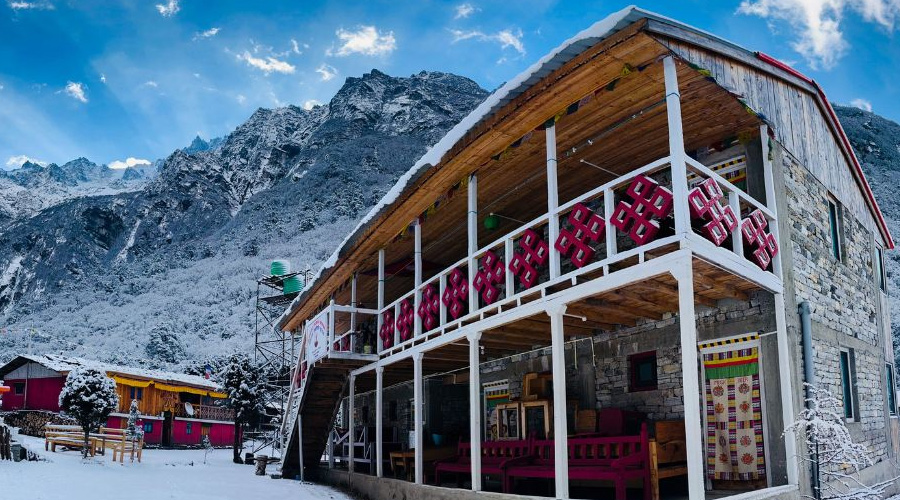
The Kanchenjunga Base Camp Trek offers a mix of basic tea house accommodation and camping, reflecting the remote and untouched nature of eastern Nepal. While facilities are simpler compared to popular trekking routes, the experience is authentic, peaceful, and deeply connected to local Himalayan life.
Accommodation Details
-
Tea Houses (Lower Regions):
In villages like Taplejung, Chirwa, and Ghunsa, trekkers stay in simple local tea houses. Rooms are usually twin-sharing with basic beds, blankets, and shared bathrooms. These lodges are run by friendly local families, offering warm hospitality and insight into mountain culture.
-
Camping (Upper & Remote Areas):
As you move towards higher elevations and isolated sections near Kanchenjunga Conservation Area, camping becomes necessary due to limited infrastructure. A fully organized camping setup includes tents, dining tents, kitchen equipment, and support staff, ensuring comfort and safety even in remote wilderness.
Food & Meals on the Trek
Food during the trek is nutritious, simple, and energy-rich, designed to support long trekking days at high altitude.
-
Local Nepali Dishes:
The staple meal is Dal Bhat (rice, lentil soup, vegetables, and pickles), which is healthy, filling, and often comes with free refills.
-
Other Meal Options:
You’ll also find noodles, fried rice, soups, Tibetan bread, potatoes, porridge, and basic Western-style dishes like pasta and pancakes in lower regions.
-
Drinks & Snacks:
Tea, coffee, hot lemon, and garlic soup are commonly available. Carrying energy bars and snacks is recommended for extra nutrition during long trekking days.
What to Expect
-
Limited menu choices at higher altitudes
-
Fresh ingredients may be scarce in remote areas
-
Meals are freshly prepared but may take time
-
Hygienic, safe food prepared by experienced trekking staff
👉 Despite the simplicity, the accommodation and food experience on the Kanchenjunga trek is part of its charm—offering a true taste of remote Himalayan adventure. With proper planning and support from Mountain Mart Treks & Expedition Pvt. Ltd., trekkers can enjoy a safe, comfortable, and memorable journey.
Kanchenjunga Base Camp Trek Cost 2026/2027
The cost of the Kanchenjunga Base Camp Trek varies depending on group size, services, and duration.
Estimated Price:
✔️ Cost Includes:
-
Licensed trekking guide & porter
-
Accommodation & meals during the trek
-
Permits (Kanchenjunga Restricted Area & Conservation Area)
-
Domestic flights & transportation
-
First aid & safety equipment
👉 Contact us for customized packages and group discounts.
Permits Required for Kanchenjunga Base Camp Trek
The Kanchenjunga Base Camp Trek passes through one of Nepal’s most remote and restricted regions, making trekking permits mandatory for all visitors. Proper permits ensure both your safety and the conservation of this pristine Himalayan environment.
✅ Required Permits
-
Restricted Area Permit (RAP):
-
Essential for entering the Kanchenjunga region.
-
Only issued to trekkers traveling with a licensed guide.
-
Helps regulate access to preserve the remote wilderness.
-
Kanchenjunga Conservation Area Permit (KCAP):
-
Required to trek within the Kanchenjunga Conservation Area, home to rare wildlife like red pandas, snow leopards, and Himalayan blue sheep.
-
Supports conservation efforts and local communities.
-
Group Requirement:
Why Permits Are Important
-
Ensures safe and legal trekking in remote Nepal
-
Protects the fragile environment of the Kanchenjunga Conservation Area
-
Provides support from local authorities in case of emergencies
-
Helps sustain local communities and eco-tourism initiatives
Tips for Permits
-
Permits are arranged through a licensed trekking company like Mountain Mart Treks & Expedition Pvt. Ltd.
-
Always carry copies of your permits during the trek
-
Plan permits in advance, as restricted areas have limited entry
By securing the Restricted Area Permit and KCAP, your trek to Kanchenjunga Base Camp becomes not only legal but also safe, eco-friendly, and fully supported—allowing you to focus on the adventure, culture, and breathtaking Himalayan scenery.
Safety, Insurance & Rescue for Kanchenjunga Base Camp Trek
Safety is a top priority during the Kanchenjunga Base Camp Trek, especially due to its remote location and high-altitude environment in eastern Nepal. Proper planning, experienced guides, and reliable support systems are essential to ensure a safe and success Himalayan adventure.
Travel Insurance (Mandatory)
All trekkers must have comprehensive travel insurance that covers:
✔️ High-altitude trekking (above 5,000m) near Mount Kanchenjunga
✔️ Emergency helicopter evacuation in case of altitude sickness or injury
✔️ Medical treatment and hospitalization
✔️ Trip cancellation, delays, and personal accidents
👉 Always carry a copy of your insurance policy and emergency contact details during the trek.
Health & Safety Measures
Due to the challenging terrain and altitude, trekkers should follow essential safety practices:
-
Proper Acclimatization: Gradual ascent with rest days to prevent altitude sickness
-
Hydration & Nutrition: Drink plenty of water and eat energy-rich meals
-
Altitude Awareness: Monitor symptoms of AMS (Acute Mountain Sickness)
-
Experienced Guides: Trek with trained professionals familiar with the region
Emergency Rescue & Evacuation
In case of serious illness or injury, helicopter rescue services are available in the Kanchenjunga region. Your trekking agency will coordinate evacuation from remote areas within the Kanchenjunga Conservation Area to the nearest medical facility.
Our Safety Commitment
With Mountain Mart Treks & Expedition Pvt. Ltd., your safety is always our priority:
✔️ 24/7 support from arrival to departure
✔️ Well-planned itineraries with proper acclimatization
✔️ First aid kits and trained trekking staff
✔️ Regular health monitoring during the trek
✔️ Emergency response and evacuation coordination
👉 By choosing a trusted trekking company and having the right insurance coverage, you can confidently enjoy the Kanchenjunga Base Camp Trek—one of the most remote and rewarding adventures in the Himalayas.
Personal Trekking Equipment Guide – Gear Essentials for Nepal Treks
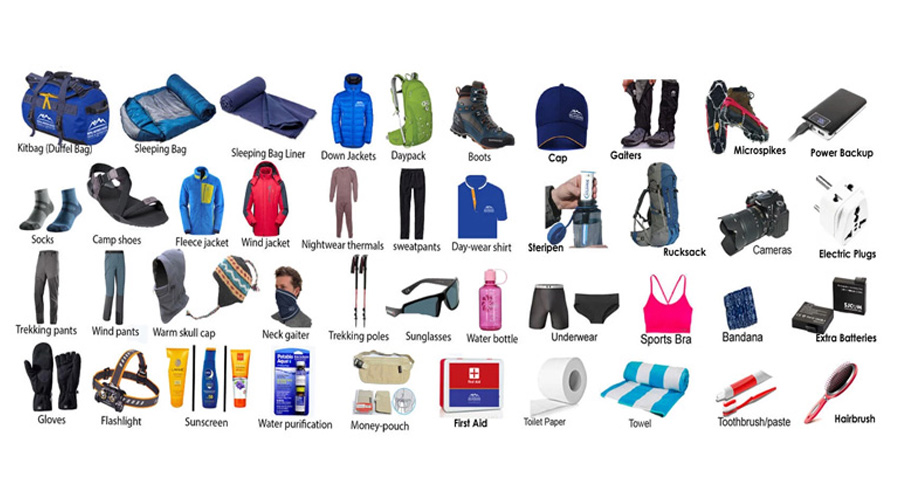
Packing the right gear is crucial for a safe, comfortable, and enjoyable trekking experience in Nepal. Here’s a clear, easy-to-follow guide to help every trekker prepare for the Kanchenjunga Base Camp Trek or other Himalayan adventures.
Clothing Layers – Stay Warm, Dry & Comfortable
Proper layering keeps you protected against cold, wind, and changing mountain conditions.
-
Base layers: Thermal tops and bottoms
-
Trekking shirts: Lightweight, quick-dry
-
Mid-layer: Fleece jacket or softshell
-
Outer layer: Down jacket for warmth; waterproof/windproof jacket (Gore-Tex or similar)
-
Trekking trousers: Lightweight and quick-dry for lower altitudes; warm pants for high-altitude sections
-
Headwear: Woolen cap, sun hat, and buff/neck gaiter
Footwear & Accessories – Protect Your Feet
Good footwear ensures safety on uneven and rocky trails.
-
Sturdy trekking boots with ankle support and waterproofing
-
Comfortable sneakers or sandals for evenings in lodges
-
Trekking socks: Warm, breathable, and multiple pairs
-
Gaiters: For snow or muddy terrain
-
Micro-spikes or crampons: Useful in winter or spring on high passes
Bags & Carrying Essentials
Keep your gear organized and safe.
-
Daypack (30–40L): For daily essentials
-
Rain cover for your pack
-
Duffel bag: Provided by your trekking agency if needed
-
Packing cubes or dry bags to organize clothes and electronics
Sleeping Gear – Comfort at Night
-
Sleeping bag: Suitable for –10°C to –20°C depending on altitude
-
Sleeping bag liner: Cotton or silk for extra warmth
-
Travel pillow: Optional, but adds comfort
Trekking Accessories & Tools
-
Trekking poles (highly recommended)
-
Sunglasses with UV protection
-
Headlamp with spare batteries
-
Water bottles (1L) or hydration bladder
-
Water purification tablets/drops
-
Lightweight towel
Personal Hygiene & Toiletries
First Aid & Personal Medications
-
Personal prescription medications
-
Pain relievers (Paracetamol, Ibuprofen)
-
Diamox (optional, for altitude)
-
Band-aids, blister care, antiseptic cream
-
Rehydration salts
-
Motion sickness tablets
Electronics & Gadgets
-
Mobile phone & charger
-
Power bank (10,000–20,000 mAh)
-
Camera & extra batteries
-
Travel adapter (multi-plug)
Travel Documents & Money
-
Passport (valid 6+ months)
-
Passport photos (for permits)
-
Travel insurance documents
-
Cash in Nepali Rupees for meals and small purchases
-
Copies of important documents
Optional Comfort Items
Final Packing Tips
-
Pack light but smart: Only essential items to avoid carrying extra weight
-
Avoid cotton for trekking days—it dries slowly and retains moisture
-
Waterproof bags and jackets are essential for all seasons
-
Many trekking agencies, including Mountain Mart Treks & Expedition Pvt. Ltd., can provide down jackets, sleeping bags, trekking poles, and duffel bags upon request
Frequently Asked Questions (FAQs) – Kanchenjunga Base Camp Trek
1. How difficult is the Kanchenjunga Base Camp Trek?
The trek is considered challenging, requiring good physical fitness and prior trekking experience. Trekkers should be prepared for long walking days, high altitude, and remote conditions.
2. How long is the Kanchenjunga trek?
The standard itinerary takes 19 days, depending on the route, acclimatization days, and travel arrangements.
3. Do I need a guide for the Kanchenjunga trek?
Yes, the region is restricted, and trekking with a licensed guide through a registered agency is mandatory.
4. What is the best time to do the Kanchenjunga Base Camp Trek?
The best seasons are spring (March–May) and autumn (September–November) for clear mountain views and stable weather.
5. Is the Kanchenjunga trek crowded?
No, it is one of the least crowded trekking routes in Nepal, ideal for those seeking peace and solitude.
6. What is the cost of the Kanchenjunga Base Camp Trek?
The cost ranges from USD 1,800 to USD 2,800 per person, depending on group size, itinerary, and services included.
7. What permits are required for Kanchenjunga Trek?
You need:
-
Restricted Area Permit (RAP)
-
Kanchenjunga Conservation Area Permit (KCAP)
-
Minimum of 2 trekkers with a guide
The trek lies within the Kanchenjunga Conservation Area.
8. Can beginners do the Kanchenjunga Base Camp Trek?
This trek is not recommended for beginners due to its difficulty, remoteness, and high altitude. Previous trekking experience is highly advised.
9. What is the maximum altitude of the trek?
The highest point is North Base Camp (Pangpema – 5,143m), located near Mount Kanchenjunga.
10. What type of accommodation is available?
Accommodation includes:
Facilities are simple but provide an authentic trekking experience.
11. Is altitude sickness a concern on this trek?
Yes, due to high elevations above 5,000m, there is a risk of altitude sickness. Proper acclimatization and a gradual itinerary are essential.
12. What kind of food is available during the trek?
You can expect:
-
Traditional Nepali meals (Dal Bhat)
-
Noodles, soups, rice, and basic Western dishes
Food options become simpler at higher altitudes.
13. Is travel insurance required?
Yes, travel insurance is mandatory, covering high-altitude trekking and emergency helicopter evacuation.
14. How do I get to the Kanchenjunga region?
The journey starts from Kathmandu with a flight to Bhadrapur, followed by a long drive to Taplejung, the starting point of the trek.
15. What makes Kanchenjunga trek unique?
Unlike busy routes like Everest Base Camp, this trek offers:
-
Remote wilderness
-
Authentic local culture
-
Fewer trekkers
-
Diverse landscapes
16. Can I customize the Kanchenjunga trek itinerary?
Yes, trekking agencies like Mountain Mart Treks & Expedition Pvt. Ltd. offer customized itineraries based on your time, budget, and preferences.
17. Is there internet or mobile network on the trek?
Internet and mobile networks are very limited or unavailable in remote areas. It’s best to prepare for an offline experience.
18. What should I pack for the Kanchenjunga Base Camp Trek?
Essential items include:
19. Is the Kanchenjunga trek safe?
Yes, it is safe when organized with a professional trekking company, experienced guides, and proper planning.
20. How do I book the Kanchenjunga Base Camp Trek?
You can book through a reliable agency like Mountain Mart Treks & Expedition Pvt. Ltd., which will handle permits, guides, logistics, and safety arrangements.
Flora & Fauna of Kanchenjunga Base Camp Trek
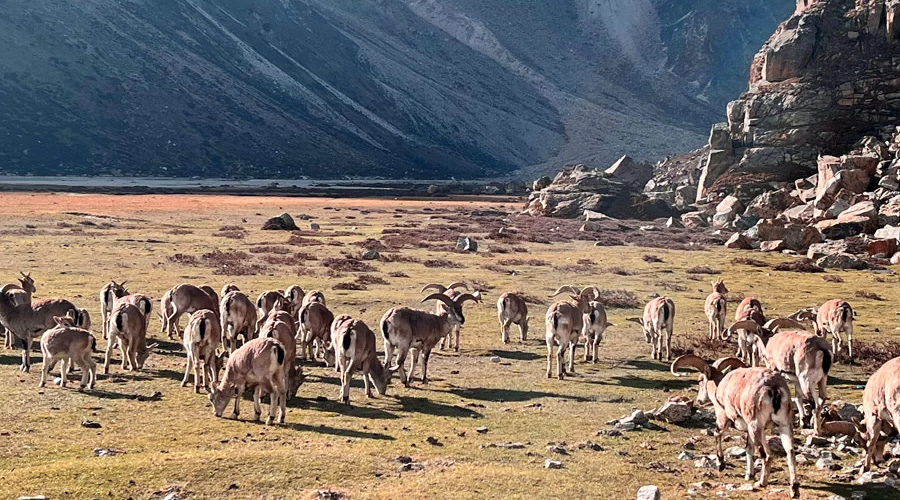
The Kanchenjunga Base Camp Trek takes you through the pristine Kanchenjunga Conservation Area, home to a rich diversity of flora and fauna. Trekkers can explore lush rhododendron and oak forests, alpine meadows, and high-altitude shrubs while spotting rare wildlife like red pandas, Himalayan black bears, snow leopards, musk deer, and Himalayan blue sheep. This trek offers a unique opportunity for nature lovers and photographers to experience untouched Himalayan biodiversity in one of Nepal’s most remote regions.
Top 10 Reasons to Choose the Kanchenjunga Base Camp Trek
1. Off-the-Beaten-Path Adventure: Explore one of Nepal’s most remote trekking regions, far from crowded trails like Everest Base Camp and the Annapurna Circuit.
2. Reach Two Base Camps: Experience the thrill of trekking to North Base Camp (Pangpema – 5,143m) and South Base Camp (Oktang – 4,730m) of Mount Kanchenjunga.
3. Breathtaking Mountain Views: Enjoy panoramic vistas of Mount Kanchenjunga (8,586m), Jannu, Makalu, and surrounding Himalayan peaks.
4. Authentic Cultural Experience: Visit remote Limbu, Rai, and Tibetan-influenced villages, interact with local communities, and witness traditional lifestyles.
5. Diverse Landscapes: Trek through dense forests, alpine meadows, glacial valleys, terraced farmland, and high mountain passes.
6. Rich Flora & Fauna: Discover rhododendron and oak forests, rare Himalayan wildlife such as red pandas, musk deer, snow leopards, and Himalayan blue sheep, and colorful bird species.
7. Challenging Yet Rewarding Trek: Ideal for adventure seekers seeking a physically demanding yet life-changing Himalayan journey.
8. Peaceful & Unspoiled Nature: Enjoy tranquility and untouched wilderness in the Kanchenjunga Conservation Area, away from commercial trekking crowds.
9. Tea House & Camping Experience: Stay in cozy lodges and tea houses in lower regions and experience organized camping in remote high-altitude areas, with warm hospitality and simple local meals.
10. Once-in-a-Lifetime Himalayan Adventure: Combine adventure, culture, nature, and breathtaking Himalayan scenery into one unforgettable trekking experience that few travelers get to explore.
Final Thoughts
The Kanchenjunga Base Camp Trek is truly a once-in-a-lifetime journey into the untouched wilderness of eastern Nepal. This remarkable adventure takes you deep into remote valleys, high mountain landscapes, and culturally rich villages beneath the shadow of Mount Kanchenjunga. Unlike crowded trekking routes such as Everest Base Camp or the Annapurna Circuit, this trek offers complete tranquility, allowing you to connect with nature in its purest form. From breathtaking glacier views to authentic Himalayan culture, every step of this journey delivers a unique and unforgettable experience.
For travelers searching online for “Kanchenjunga Base Camp Trek cost,” “Kanchenjunga trek itinerary,” “remote trekking in Nepal,” or “best off-the-beaten-path treks in Nepal,” this adventure perfectly matches those expectations. Whether you're an experienced trekker or a passionate explorer seeking something extraordinary, the Kanchenjunga trek promises both challenge and reward. With proper planning, expert guidance, and a reliable trekking company, you can safely enjoy this hidden gem of the Himalayas.
👉 Contact Mountain Mart Treks & Expedition Pvt. Ltd. today to book your Kanchenjunga Base Camp Trek for 2026/2027. Get customized itineraries, the best price, and professional support for your Himalayan adventure.
🚀 Don’t miss your chance to explore one of the most remote and spectacular trekking destinations in Nepal — your adventure starts now!